In the realm of gear manufacturing, the pursuit of precision and efficiency is a constant endeavor. As a leading supplier of High-Precision Gear Grinding Wheels, I am frequently asked whether our high-precision gear grinding wheels can be used for gear shaping grinding. This blog post aims to delve into this question, exploring the technical aspects, advantages, limitations, and practical considerations of using high-precision gear grinding wheels for gear shaping grinding.
Understanding Gear Grinding and Gear Shaping Grinding
Before we can determine whether a high-precision gear grinding wheel is suitable for gear shaping grinding, it is essential to understand the differences between these two processes.
Gear grinding is a finishing process used to achieve high levels of accuracy, surface finish, and hardness in gears. It involves removing material from the gear teeth using a grinding wheel to correct any errors introduced during the previous manufacturing processes, such as gear hobbing or shaping. Gear grinding can be performed using various methods, including form grinding, generating grinding, and continuous generating grinding.
Gear shaping grinding, on the other hand, is a specific type of gear grinding process that combines the principles of gear shaping and grinding. In gear shaping grinding, a grinding wheel with a profile similar to a gear cutter is used to generate the gear teeth by reciprocating along the gear axis while the gear rotates. This process is particularly suitable for grinding internal gears, splines, and other complex gear geometries.
Technical Considerations for Using High-Precision Gear Grinding Wheels in Gear Shaping Grinding
The suitability of a high-precision gear grinding wheel for gear shaping grinding depends on several technical factors, including the wheel's abrasive material, bond type, grain size, and wheel profile.
Abrasive Material
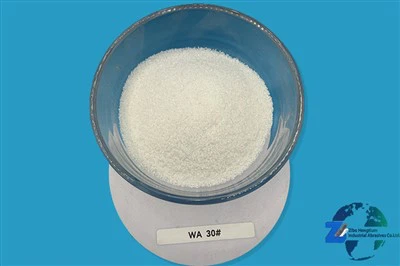
The choice of abrasive material is crucial for achieving the desired grinding performance and surface finish. Common abrasive materials used in high-precision gear grinding wheels include aluminum oxide, silicon carbide, cubic boron nitride (CBN), and diamond. Each abrasive material has its own unique properties, such as hardness, toughness, and chemical reactivity, which affect its performance in different grinding applications.
For gear shaping grinding, CBN and diamond abrasives are often preferred due to their high hardness, wear resistance, and ability to maintain a sharp cutting edge. CBN is particularly suitable for grinding ferrous materials, such as steel and cast iron, while diamond is ideal for grinding non-ferrous materials, such as aluminum and copper alloys.
Bond Type
The bond type of a grinding wheel refers to the material used to hold the abrasive grains together. Common bond types include vitrified, resinoid, metal, and electroplated bonds. Each bond type has its own advantages and limitations, which affect the wheel's strength, porosity, and grinding performance.
In gear shaping grinding, vitrified and resinoid bonds are commonly used due to their good balance of strength, porosity, and flexibility. Vitrified bonds are known for their high strength, stiffness, and heat resistance, making them suitable for high-speed grinding applications. Resinoid bonds, on the other hand, offer better flexibility and shock resistance, which can help to reduce the risk of wheel breakage and improve the surface finish of the ground gears.
Grain Size
The grain size of a grinding wheel refers to the size of the individual abrasive grains. The choice of grain size depends on several factors, including the material being ground, the desired surface finish, and the grinding parameters.
For gear shaping grinding, a fine grain size is typically preferred to achieve a smooth surface finish and high dimensional accuracy. However, a very fine grain size can also increase the risk of wheel loading and clogging, which can reduce the grinding efficiency and surface quality. Therefore, it is important to select the appropriate grain size based on the specific grinding application and requirements.
Wheel Profile
The wheel profile is another critical factor that affects the performance of a high-precision gear grinding wheel in gear shaping grinding. The wheel profile must be carefully designed to match the gear geometry and the grinding process requirements.
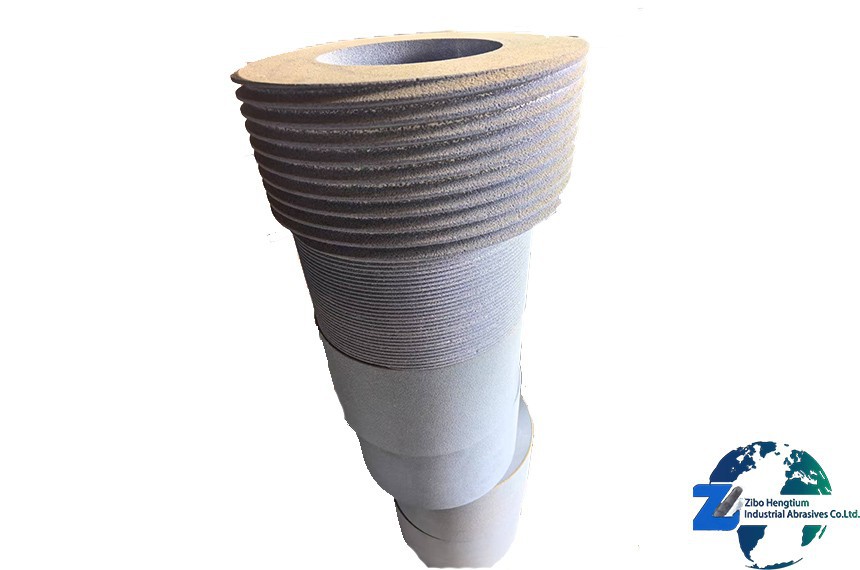
In gear shaping grinding, the wheel profile is typically designed to have a shape similar to a gear cutter, with a specific tooth profile and helix angle. This allows the wheel to generate the gear teeth accurately and efficiently. The wheel profile can be generated using various methods, such as dressing, profiling, and electroplating.
Advantages of Using High-Precision Gear Grinding Wheels in Gear Shaping Grinding
Using high-precision gear grinding wheels in gear shaping grinding offers several advantages, including:
High Precision and Accuracy
High-precision gear grinding wheels are designed to achieve extremely high levels of dimensional accuracy and surface finish. This is particularly important in gear shaping grinding, where the gear teeth must be generated with a high degree of precision to ensure proper meshing and performance.
Improved Surface Finish
The use of high-precision gear grinding wheels can significantly improve the surface finish of the ground gears. This is due to the fine grain size and sharp cutting edge of the wheel, which can remove material more smoothly and efficiently, resulting in a smoother surface finish.
Increased Productivity
High-precision gear grinding wheels are designed to have a high material removal rate and long wheel life. This can significantly increase the productivity of the gear shaping grinding process, reducing the overall manufacturing time and cost.
Enhanced Gear Quality
The use of high-precision gear grinding wheels can improve the overall quality of the gears, including their strength, durability, and noise performance. This is due to the improved surface finish and dimensional accuracy of the gears, which can reduce stress concentrations and improve the meshing characteristics.
Limitations and Challenges of Using High-Precision Gear Grinding Wheels in Gear Shaping Grinding
While using high-precision gear grinding wheels in gear shaping grinding offers many advantages, there are also some limitations and challenges that need to be considered.
High Cost
High-precision gear grinding wheels, especially those made with CBN or diamond abrasives, can be relatively expensive compared to traditional grinding wheels. This can increase the overall manufacturing cost, especially for small-scale production runs.
Complex Wheel Dressing
The wheel dressing process is crucial for maintaining the sharpness and accuracy of the high-precision gear grinding wheel. However, dressing a wheel with a complex profile, such as a gear cutter profile, can be challenging and time-consuming. This requires specialized dressing equipment and skilled operators.
Limited Wheel Life
The wheel life of a high-precision gear grinding wheel can be affected by several factors, such as the grinding parameters, the material being ground, and the wheel's abrasive material and bond type. In some cases, the wheel may need to be replaced frequently, which can increase the operating cost and downtime.

Practical Considerations for Using High-Precision Gear Grinding Wheels in Gear Shaping Grinding
In addition to the technical considerations and limitations, there are also some practical considerations that need to be taken into account when using high-precision gear grinding wheels in gear shaping grinding.
Machine Compatibility
The high-precision gear grinding wheel must be compatible with the gear shaping grinding machine in terms of size, speed, and power requirements. It is important to ensure that the machine is capable of providing the necessary grinding forces and speeds to achieve the desired grinding performance.
Grinding Parameters Optimization
The grinding parameters, such as the grinding speed, feed rate, depth of cut, and coolant flow rate, must be optimized to achieve the best grinding results. This requires careful experimentation and adjustment based on the specific gear geometry, material, and grinding wheel characteristics.
Operator Training
The use of high-precision gear grinding wheels in gear shaping grinding requires skilled operators who are familiar with the grinding process, wheel dressing techniques, and machine operation. It is important to provide adequate training and support to the operators to ensure that they can use the equipment safely and effectively.
Conclusion
In conclusion, high-precision gear grinding wheels can be used for gear shaping grinding, provided that the appropriate technical and practical considerations are taken into account. The choice of abrasive material, bond type, grain size, and wheel profile is crucial for achieving the desired grinding performance and surface finish. While there are some limitations and challenges associated with using high-precision gear grinding wheels in gear shaping grinding, the advantages, such as high precision, improved surface finish, increased productivity, and enhanced gear quality, make it a viable option for many gear manufacturing applications.
If you are interested in learning more about our High-Precision Gear Grinding Wheels or Cylindrical and Surface Grinding Wheels and Worm Grinding Wheel for gear shaping grinding, please feel free to contact us to discuss your specific requirements and explore the best solutions for your gear manufacturing needs.
References
- "Gear Manufacturing Handbook" by George M. Moyer
- "Grinding Technology: Theory and Applications of Machining with Abrasives" by Stephen Malkin
- "Advanced Grinding Technology" by Y. Yan and S. C. Lim