Hey there! As a supplier of Green Silicon Carbide for Abrasive, I often get asked if this material can be used in high - precision grinding. Well, let's dive right into it and find out.
First off, let's understand what green silicon carbide is. Green silicon carbide is a synthetic abrasive material. It's made by heating silica sand and petroleum coke in an electric resistance furnace at extremely high temperatures. The result is a super - hard, sharp, and chemically stable material. This makes it a top - choice for a variety of abrasive applications.
When it comes to high - precision grinding, there are a few key factors we need to consider. Precision grinding requires an abrasive that can maintain a consistent cutting edge, remove material accurately, and produce a smooth surface finish. So, can green silicon carbide fit the bill?


Hardness and Sharpness
One of the biggest advantages of green silicon carbide is its hardness. It has a Mohs hardness of around 9.2, which is pretty darn hard. This hardness allows it to cut through tough materials like ceramics, glass, and some high - strength alloys with ease. In high - precision grinding, the ability to cut through the workpiece efficiently is crucial. The sharp edges of green silicon carbide grains can slice through the material, removing small chips at a time. This precision cutting helps in achieving tight tolerances and a smooth surface finish.
For example, in the Green Silicon Carbide for Mechanical and Automotive Industry, where components need to be ground to very precise dimensions, green silicon carbide can be a game - changer. It can grind engine parts, gears, and other mechanical components with high accuracy, ensuring that they fit together perfectly.
Chemical Stability
Another important aspect of high - precision grinding is chemical stability. During the grinding process, the abrasive comes into contact with the workpiece and may be exposed to various coolants and lubricants. Green silicon carbide is chemically inert, which means it doesn't react easily with most substances. This stability ensures that the abrasive grains maintain their integrity during the grinding process.
In the Green Silicon Carbide for Electronics and Optoelectronics industry, where the grinding of delicate electronic components is required, chemical stability is a must. Any chemical reaction between the abrasive and the component could damage the sensitive electronic parts. Green silicon carbide's chemical stability makes it a safe and reliable choice for such applications.
Grain Size and Distribution
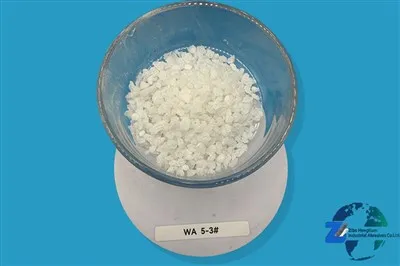
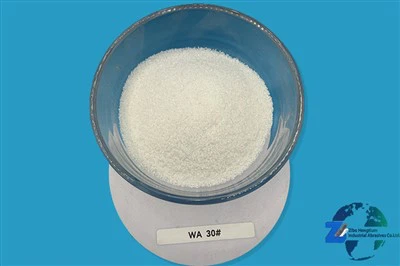
The grain size of green silicon carbide also plays a vital role in high - precision grinding. We offer a wide range of grain sizes for Green Silicon Carbide for Abrasive. Finer grain sizes are used for achieving a smoother surface finish, while coarser grains are more suitable for rough grinding and material removal.
In high - precision grinding, the right grain size needs to be selected based on the specific requirements of the workpiece. For example, if you're grinding a optical lens, a very fine - grained green silicon carbide would be used to achieve a mirror - like finish. On the other hand, if you're rough - grinding a large ceramic block, a coarser grain size would be more appropriate.
Self - Sharpening Property
Green silicon carbide has a self - sharpening property. As the abrasive grains wear down during the grinding process, new sharp edges are exposed. This means that the cutting ability of the abrasive is maintained over time. In high - precision grinding, where consistent performance is essential, this self - sharpening feature is a big plus. It reduces the need for frequent dressing of the grinding wheel, which can save time and money.
However, it's not all sunshine and rainbows. There are a few limitations to using green silicon carbide in high - precision grinding.
Brittleness
Green silicon carbide is relatively brittle compared to some other abrasive materials. In some high - pressure grinding applications, the grains may break prematurely. This can lead to inconsistent grinding results and may require more frequent wheel changes. But with proper selection of grinding parameters and wheel design, this issue can be minimized.
Cost
Another factor to consider is the cost. Green silicon carbide is generally more expensive than some other common abrasive materials like aluminum oxide. For some applications where extremely high precision is not required, the cost may be a deterrent. However, for industries where precision is of the utmost importance, the benefits of using green silicon carbide often outweigh the cost.
So, to answer the question "Can green silicon carbide for abrasive be used in high - precision grinding?" The answer is a resounding yes! With its hardness, chemical stability, self - sharpening property, and the ability to control grain size, it is well - suited for a wide range of high - precision grinding applications.
If you're in the market for high - quality green silicon carbide for your abrasive needs, especially for high - precision grinding, don't hesitate to reach out. We're here to provide you with the best products and solutions. Whether you're in the mechanical, automotive, electronics, or any other industry that requires precision grinding, we've got you covered. Contact us to start a discussion about your specific requirements and let's work together to find the perfect green silicon carbide solution for you.
References
- Norton Abrasives Handbook.
- Industrial Abrasives: Properties and Applications.