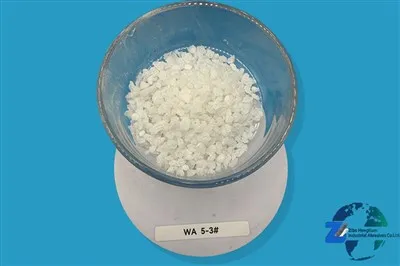
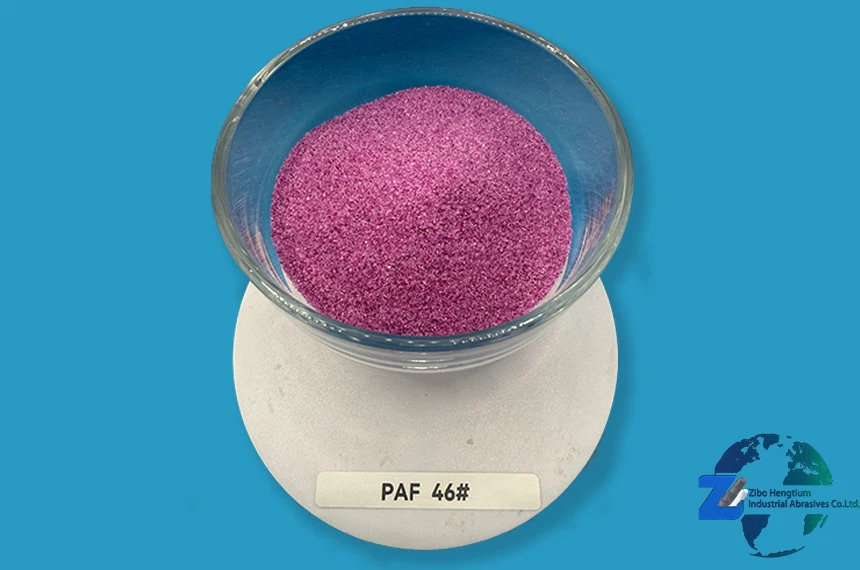
White corundum, a high - quality abrasive and refractory material, has long been recognized for its excellent physical and chemical properties. As a white corundum supplier, I often receive inquiries about its potential applications in various industries, including the construction industry. In this blog, we will explore whether white corundum can be used in the construction industry and its specific applications.
Properties of White Corundum
Before delving into its construction - related applications, it's essential to understand the key properties of white corundum. White corundum is mainly composed of aluminum oxide (Al₂O₃), with a purity usually above 99%. It is produced by melting high - quality alumina powder in an electric arc furnace at extremely high temperatures and then cooling it down.


One of the most prominent features of white corundum is its high hardness. On the Mohs hardness scale, it has a hardness of about 9, second only to diamond. This hardness makes it highly resistant to wear and abrasion. Additionally, white corundum has excellent chemical stability. It is resistant to most acids and alkalis, which means it can maintain its integrity in harsh chemical environments. It also has good thermal stability, with a high melting point of around 2050°C, enabling it to withstand high - temperature conditions.
Potential Applications in the Construction Industry
1. Abrasive for Surface Treatment
In the construction process, there are often requirements for surface treatment of building materials. For example, when preparing concrete floors for coating or polishing, a smooth and clean surface is necessary. White corundum can be used as an abrasive in sandblasting or grinding operations. Its high hardness allows it to effectively remove rust, old paint, and other contaminants from the surface of concrete, steel structures, or bricks. By using white corundum for surface treatment, the adhesion of subsequent coatings or finishes can be significantly improved, ensuring a longer - lasting and more aesthetically pleasing result. You can find more information about white corundum used as an abrasive on our website: White Corundum for Abrasives.
2. Aggregate in Special Concrete
Concrete is the most widely used building material in the construction industry. By adding white corundum as an aggregate, the performance of concrete can be enhanced. Due to its high hardness and wear - resistance, white corundum can improve the abrasion resistance of concrete. This is particularly useful in areas with high traffic, such as industrial floors, parking lots, and sidewalks. The addition of white corundum can also increase the compressive strength of concrete to some extent, making the structure more durable. Moreover, its chemical stability ensures that it will not react with other components in the concrete, maintaining the overall stability of the material.
3. Refractory Material in High - Temperature Construction
In some construction projects involving high - temperature environments, such as kilns, furnaces, and incinerators, refractory materials are essential. White corundum's high melting point and thermal stability make it an ideal candidate for refractory applications. It can be used to manufacture refractory bricks, castables, and other refractory products. These products can withstand high - temperature heat without significant deformation or damage, ensuring the safe and efficient operation of high - temperature facilities. For more details about white corundum used in refractory applications, visit White Corundum for Refractory.
4. Component in Ceramic Tiles and Building Ceramics
Ceramic tiles are commonly used for interior and exterior decoration in buildings. White corundum can be incorporated into the raw materials of ceramic tiles and other building ceramics. It can improve the hardness, wear - resistance, and gloss of the ceramic products. By using white corundum, the ceramic tiles can better resist scratches and stains, maintaining their beautiful appearance over a long period. You can learn more about white corundum's application in ceramics and glass on White Corundum for Ceramics and Glass.
Advantages of Using White Corundum in Construction
1. Durability
As mentioned earlier, the high hardness and wear - resistance of white corundum contribute to the long - term durability of construction materials. Whether it is used in concrete, refractory products, or ceramic tiles, it can significantly extend the service life of these materials, reducing the need for frequent repairs and replacements.
2. Chemical Resistance
In the construction environment, building materials may be exposed to various chemicals, such as acids from industrial emissions or alkalis in cleaning agents. The chemical stability of white corundum allows the construction materials containing it to resist chemical corrosion, ensuring the structural integrity and safety of the building.
3. Aesthetic Appeal
When used in ceramic tiles or surface finishes, white corundum can enhance the gloss and smoothness of the materials, providing a more attractive appearance. This is beneficial for both interior and exterior decoration, meeting the aesthetic requirements of modern construction.
Challenges and Considerations
1. Cost
Compared with traditional construction materials, white corundum is relatively expensive. The production process of white corundum involves high - energy consumption and strict quality control, which leads to a higher cost. This may limit its widespread use in some large - scale construction projects, especially those with tight budgets. However, considering its long - term benefits in terms of durability and performance, the cost - effectiveness of using white corundum should be evaluated comprehensively.
2. Handling and Safety
White corundum is a fine powder or granular material. During handling, such as transportation, storage, and mixing, there is a risk of dust generation. Inhalation of white corundum dust can be harmful to human health, causing respiratory problems. Therefore, proper safety measures, such as wearing protective masks and using dust - suppression equipment, should be taken to ensure the safety of workers.
Conclusion
In conclusion, white corundum has great potential for use in the construction industry. Its unique properties, including high hardness, wear - resistance, chemical stability, and thermal stability, make it suitable for a variety of applications, from surface treatment to refractory and ceramic production. Although there are some challenges, such as cost and safety issues, the long - term benefits it brings in terms of durability and performance cannot be ignored.
As a white corundum supplier, we are committed to providing high - quality white corundum products to meet the diverse needs of the construction industry. If you are interested in using white corundum in your construction projects or would like to learn more about our products, please feel free to contact us for further discussion and procurement negotiation.
References
- ASTM International. “Standard Test Methods for Chemical Analysis of Alumina.” ASTM C604 - 16.
- Smith, J. D. “Advanced Abrasives and Their Applications in Industry.” Journal of Industrial Materials, 2018.
- Johnson, R. M. “Refractory Materials: Properties and Applications.” Construction Materials Science, 2019.