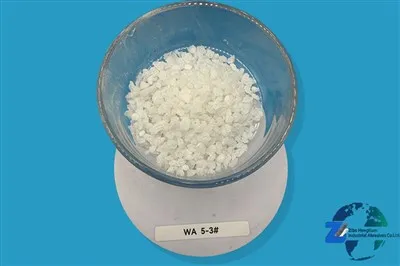
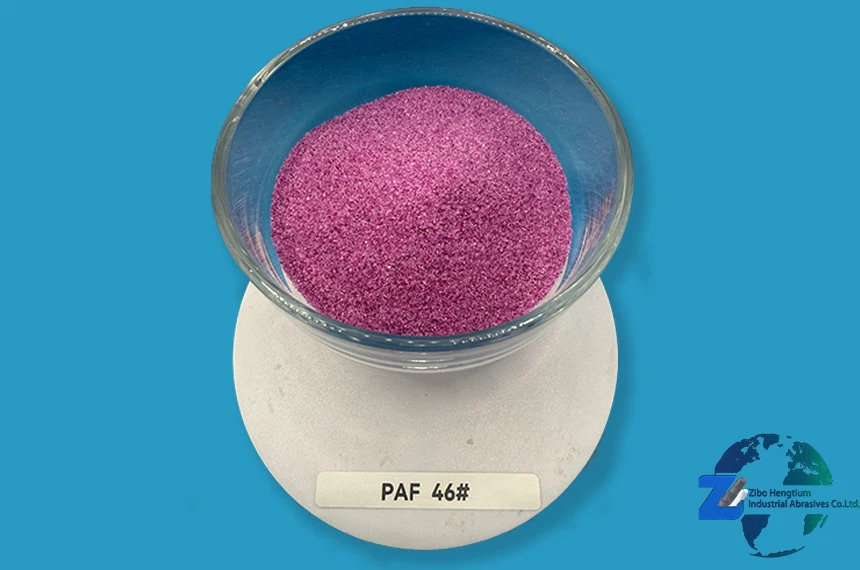
Hey there! As a supplier of white corundum for abrasives, I often get asked if our product can be used in stone processing. Well, let's dive right into it and explore the ins and outs of using white corundum in this field.
First off, what exactly is white corundum? White corundum is a synthetic abrasive made from high - purity alumina powder through an electric arc furnace at extremely high temperatures. It has a series of excellent properties, such as high hardness, good self - sharpening ability, and high chemical stability.
When it comes to stone processing, the requirements for abrasives are pretty strict. Stones, whether they are natural granite, marble, or artificial stones, have different hardness levels and surface qualities. We need abrasives that can effectively cut, grind, and polish the stone without causing excessive damage or leaving unwanted marks.
One of the key advantages of white corundum for stone processing is its hardness. With a Mohs hardness of around 9, white corundum is extremely hard. This hardness allows it to cut through the tough surface of stones efficiently. For example, when processing granite, which is one of the hardest natural stones, white corundum abrasives can quickly remove the excess material, shaping the granite into the desired form, like countertops or sculptures.
Another great thing about white corundum is its self - sharpening property. During the stone - grinding process, the abrasive grains on the surface of the tool will gradually wear out. But with white corundum, as the outer layer of the grain wears, new sharp edges are exposed. This ensures that the abrasive tool maintains a consistent cutting and grinding performance throughout the process, which is crucial for achieving high - quality stone finishes.
In terms of chemical stability, white corundum is resistant to most chemical substances. This is important in stone processing because sometimes the stones may come into contact with various cleaning agents or chemicals during the manufacturing or finishing process. The chemical stability of white corundum ensures that it won't react with these substances, thus maintaining its performance and integrity.
Now, let's talk about the different stages of stone processing where white corundum can be used.


In the rough cutting stage, white corundum - based cutting wheels are very effective. These cutting wheels can make quick and clean cuts through thick stone slabs. The high hardness of white corundum allows the cutting wheel to penetrate the stone easily, reducing the cutting time and increasing productivity.
During the grinding stage, white corundum abrasives can be used in grinding wheels or abrasive belts. They help to smooth out the rough surface of the stone after cutting, removing any unevenness and preparing the stone for the next stage of processing. Whether it's a large - scale stone floor or a small - scale stone handicraft, white corundum abrasives can provide a smooth and even surface.
For the polishing stage, finer - grained white corundum can be used to give the stone a high - gloss finish. The self - sharpening property of white corundum ensures that the polishing process is efficient, and the final polished surface is shiny and free of scratches.
But it's not all sunshine and rainbows. There are also some considerations when using white corundum in stone processing. One is the cost. White corundum is relatively more expensive compared to some other abrasives. However, considering its high performance and long - lasting nature, the cost - effectiveness in the long run is quite good. Another thing is that the selection of the right grain size and bonding agent is crucial. Different stone types and processing requirements may need different combinations of grain size and bonding agent to achieve the best results.
Apart from stone processing, white corundum has a wide range of other applications. For example, it can be used in the medical industry. You can check out more about White Corundum for Medical Industry. It's also used in the refractory industry, and you can find more details on White Corundum for Refractory. And for ceramics and glass processing, White Corundum for Ceramics and Glass is a great option.
In conclusion, white corundum for abrasives can definitely be used in stone processing. Its high hardness, self - sharpening ability, and chemical stability make it a top - notch choice for cutting, grinding, and polishing stones. If you're in the stone - processing business and looking for a reliable abrasive, white corundum is worth considering.
If you're interested in purchasing white corundum for your stone - processing needs or have any questions, feel free to reach out. We're here to help you find the best solution for your specific requirements. Let's have a chat and see how our white corundum can take your stone - processing operations to the next level!
References:
- General knowledge about abrasives and stone processing from industry experience.
- Technical data sheets of white corundum products.