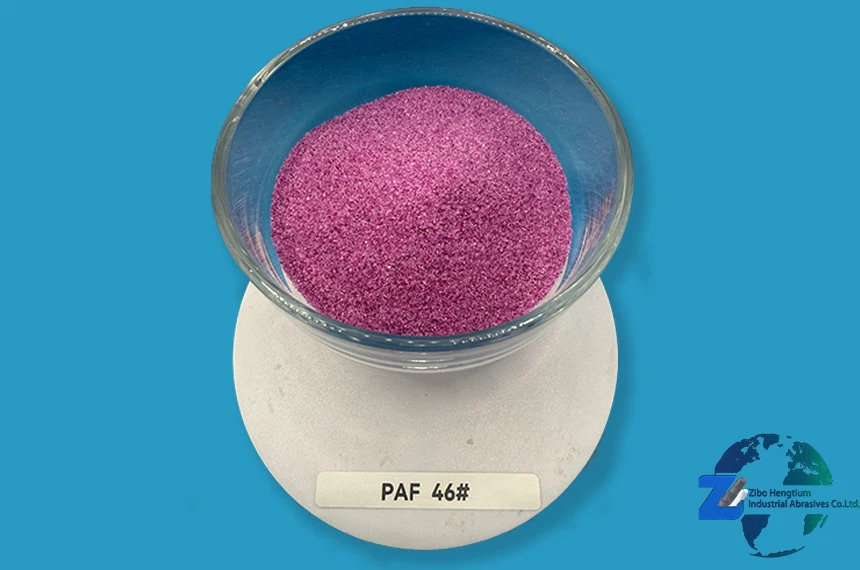
As a leading supplier of green silicon carbide, I've witnessed firsthand the remarkable properties and versatile applications of this exceptional material. Green silicon carbide is a synthetic abrasive known for its high hardness, excellent thermal conductivity, and chemical stability. In this blog, I'll delve into how green silicon carbide interacts with non-metals during the grinding process, exploring the mechanisms, benefits, and applications of this interaction.
Understanding Green Silicon Carbide
Green silicon carbide (SiC) is produced through the Acheson process, where silica sand and carbon are heated at high temperatures. The resulting material has a Mohs hardness of 9.2, making it one of the hardest substances known, second only to diamond. Its unique crystalline structure and chemical composition give it superior abrasive properties, making it ideal for a wide range of grinding applications.
Interaction with Non-Metals during Grinding
When green silicon carbide is used to grind non-metals, several key interactions occur at the microscopic level. These interactions are crucial for achieving efficient and high-quality grinding results.
Abrasive Action
The primary interaction between green silicon carbide and non-metals is the abrasive action. The sharp edges and high hardness of the silicon carbide particles cut into the surface of the non-metal material, removing material in the form of small chips or dust. This process is similar to using a file or sandpaper, but on a much smaller scale. The abrasive action of green silicon carbide is highly effective in removing material quickly and precisely, making it suitable for applications where high material removal rates are required.
Friction and Heat Generation
During the grinding process, friction between the green silicon carbide particles and the non-metal surface generates heat. This heat can have both positive and negative effects on the grinding process. On one hand, the heat can help to soften the non-metal material, making it easier to remove. On the other hand, excessive heat can cause thermal damage to the non-metal surface, such as cracking or melting. To minimize the negative effects of heat, it is important to use appropriate grinding parameters, such as the correct grinding speed, feed rate, and coolant flow.
Chemical Interaction
In some cases, there may be a chemical interaction between the green silicon carbide and the non-metal material. For example, when grinding certain types of ceramics, the silicon carbide particles may react with the ceramic material to form a thin layer of silicon oxide on the surface. This layer can act as a lubricant, reducing friction and improving the grinding efficiency. However, the chemical interaction can also have negative effects, such as causing discoloration or corrosion of the non-metal surface. Therefore, it is important to understand the chemical properties of the non-metal material and choose the appropriate grinding parameters to minimize the risk of chemical interaction.


Benefits of Using Green Silicon Carbide for Grinding Non-Metals
The use of green silicon carbide for grinding non-metals offers several benefits, including:
High Material Removal Rates
Due to its high hardness and sharp edges, green silicon carbide can remove material quickly and efficiently. This makes it ideal for applications where high material removal rates are required, such as rough grinding or stock removal.
Excellent Surface Finish
Green silicon carbide can produce a smooth and precise surface finish on non-metal materials. This is important for applications where a high-quality surface finish is required, such as in the manufacturing of optical components or electronic devices.
Chemical Stability
Green silicon carbide is chemically stable and resistant to corrosion. This makes it suitable for grinding non-metal materials that are sensitive to chemical reactions, such as ceramics or glass.
Long Tool Life
The high hardness and wear resistance of green silicon carbide particles result in a long tool life. This reduces the need for frequent tool changes, saving time and cost in the grinding process.
Applications of Green Silicon Carbide in Grinding Non-Metals
Green silicon carbide is widely used in a variety of industries for grinding non-metal materials. Some of the common applications include:
Ceramics Grinding
Green silicon carbide is commonly used for grinding ceramics, such as alumina, zirconia, and silicon nitride. Ceramics are hard and brittle materials, and green silicon carbide's high hardness and abrasive properties make it an ideal choice for grinding these materials. The use of green silicon carbide can result in a smooth and precise surface finish, which is important for applications such as ceramic bearings, cutting tools, and electronic components.
Glass Grinding
Green silicon carbide is also used for grinding glass, such as optical glass, flat glass, and glass fibers. Glass is a hard and brittle material, and green silicon carbide's high hardness and abrasive properties make it an effective tool for grinding glass. The use of green silicon carbide can result in a smooth and precise surface finish, which is important for applications such as optical lenses, mirrors, and display screens.
Stone Grinding
Green silicon carbide is used for grinding natural and artificial stones, such as granite, marble, and quartz. Stone is a hard and abrasive material, and green silicon carbide's high hardness and abrasive properties make it an ideal choice for grinding stone. The use of green silicon carbide can result in a smooth and precise surface finish, which is important for applications such as stone countertops, flooring, and sculptures.
Our Green Silicon Carbide Products
As a green silicon carbide supplier, we offer a wide range of products suitable for various grinding applications. Our products include Green Silicon Carbide for New Energy Field, Green Silicon Carbide for Mechanical and Automotive Industry, and Green Silicon Carbide for Refractory. Our green silicon carbide products are manufactured using high-quality raw materials and advanced production processes, ensuring consistent quality and performance.
Conclusion
In conclusion, green silicon carbide is a versatile and effective abrasive material for grinding non-metals. Its high hardness, excellent thermal conductivity, and chemical stability make it an ideal choice for a wide range of grinding applications. By understanding the interaction between green silicon carbide and non-metals during the grinding process, we can optimize the grinding parameters and achieve high-quality grinding results. If you are interested in purchasing green silicon carbide for your grinding applications, please feel free to contact us for more information and to discuss your specific requirements.
References
- Smith, J. (2018). Abrasive Technology: Principles and Applications. CRC Press.
- Jones, A. (2019). Grinding of Non-Metallic Materials. Elsevier.
- Brown, R. (2020). Green Silicon Carbide: Properties and Applications. Journal of Materials Science.