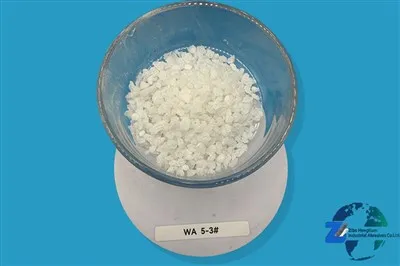
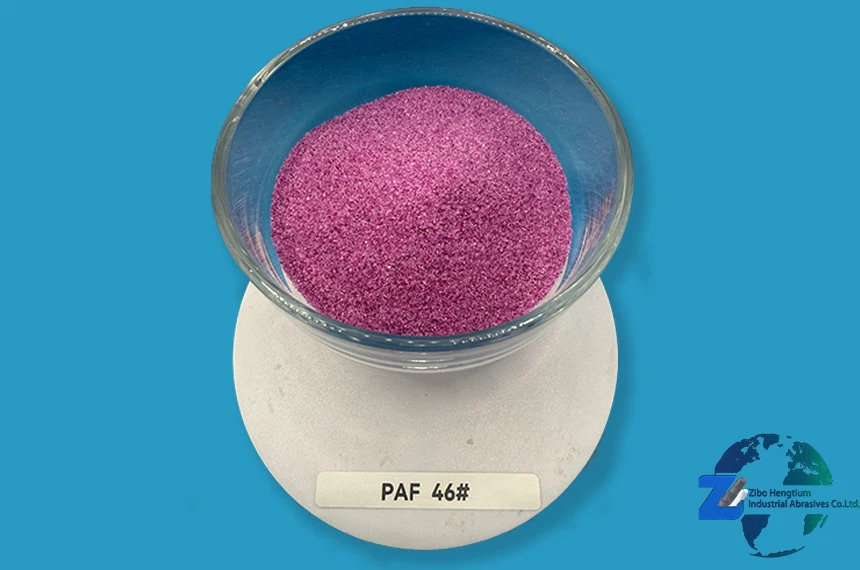
Hey there! As a supplier of Chrome Corundum for Polishing, I've been getting a lot of questions about how the particle shape of this stuff affects the polishing result. So, I thought I'd share some insights with you all.
First off, let's talk about what Chrome Corundum for Polishing is. It's a super - useful abrasive material that we often use in polishing different surfaces. You can check out more details about it on our Chrome Corundum for Polishing page.
Now, the particle shape of Chrome Corundum plays a huge role in the polishing process. There are mainly three common particle shapes: angular, rounded, and irregular.
Angular Particles
Angular particles of Chrome Corundum are like little sharp knives. They have well - defined edges and corners. When these particles are used in polishing, they can quickly remove material from the surface being polished. This is because the sharp edges can dig into the surface and scrape off the rough spots.
For example, if you're polishing a metal surface that has a lot of scratches or rough areas, angular Chrome Corundum particles are a great choice. They can cut through the surface layer by layer, leaving a smoother finish. However, there's a downside. Because they are so aggressive, they can also cause some micro - scratches on the surface. These micro - scratches might not be visible to the naked eye, but they can affect the overall appearance and quality of the polished surface, especially if you're going for a high - gloss finish.
Rounded Particles
Rounded Chrome Corundum particles are more gentle. They don't have those sharp edges like the angular ones. Instead, they roll over the surface during the polishing process. This rolling action helps to smooth out the surface without causing too much damage.
When you're looking to achieve a fine, smooth finish, rounded particles are your best bet. They are often used in the final stages of polishing, after the rough grinding with angular particles. For instance, if you're polishing a delicate piece of jewelry or a high - end electronic device, rounded Chrome Corundum particles can give you that perfect, mirror - like finish. But the drawback is that they are not as efficient at removing large amounts of material as angular particles. So, if you have a very rough surface to start with, you'll probably need to use angular particles first and then switch to rounded ones for the final touch.


Irregular Particles
Irregularly shaped Chrome Corundum particles are a bit of a mix between angular and rounded. They have some sharp edges and some rounded areas. This makes them versatile. They can be used in different stages of the polishing process.
In the initial stages, the sharp parts of the irregular particles can help with material removal, similar to angular particles. And in the later stages, the rounded parts can contribute to a smoother finish, like rounded particles. This versatility makes them a popular choice for many polishing applications. However, because of their complex shape, it can be a bit more difficult to control the polishing process compared to using particles with more uniform shapes.
Another factor to consider is how the particle shape affects the wear of the polishing tool. Angular particles tend to wear out the polishing tool faster because of their sharp edges. They can cause more friction and abrasion on the tool surface. Rounded particles, on the other hand, are more gentle on the tool, so the tool has a longer lifespan. Irregular particles fall somewhere in between.
Now, let's talk about how these different particle shapes interact with different materials. If you're polishing a hard material like ceramic or glass, angular particles might be more effective at the beginning to remove the initial roughness. But you'll still need to follow up with rounded or irregular particles to get a smooth finish. For softer materials like wood or plastic, rounded particles are usually a better choice from the start to avoid over - abrasion.
We also offer Chrome Corundum for Processing and Chrome Corundum for Cutting, which have different particle characteristics based on their specific applications.
So, how do you choose the right particle shape for your polishing project? It really depends on the material you're polishing, the initial condition of the surface, and the final finish you want to achieve. If you're not sure, don't hesitate to reach out to us. We've got a team of experts who can help you make the right decision.
Whether you're a small - scale jewelry maker or a large - scale industrial manufacturer, getting the right Chrome Corundum for Polishing with the appropriate particle shape can make a huge difference in your polishing results.
If you're interested in purchasing Chrome Corundum for Polishing or have any questions about our products, feel free to contact us. We're always here to assist you in finding the best solution for your polishing needs.
References
- Some research papers on abrasive materials and their applications in polishing.
- Industry reports on the use of Chrome Corundum in different polishing processes.