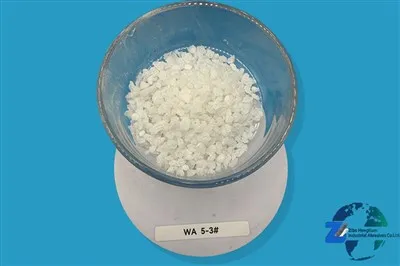
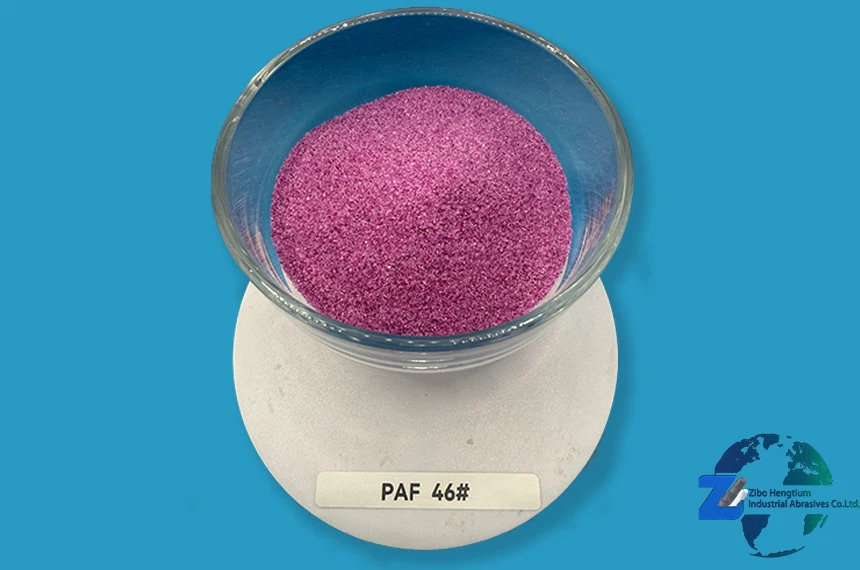
As a supplier of chrome corundum, ensuring the quality of our products is of utmost importance. Chrome corundum, a high - performance abrasive material, is widely used in various industries such as coating, grindings, and special material processing. In this blog, I will share with you how we test the quality of chrome corundum to meet the diverse needs of our customers.
Physical Properties Testing
Particle Size Analysis
Particle size is a crucial factor that affects the performance of chrome corundum in different applications. For instance, in Chrome Corundum for Coating, a more uniform particle size distribution is often required to ensure a smooth and consistent coating surface. We use advanced laser diffraction particle size analyzers to measure the particle size of chrome corundum. This method can accurately determine the size range of particles, from a few micrometers to several hundred micrometers. By analyzing the particle size distribution curve, we can ensure that the product meets the specific requirements of our customers.
Density Measurement
The density of chrome corundum reflects its internal structure and purity. Higher - density chrome corundum usually indicates better quality and performance. We measure the density of chrome corundum using the pycnometer method. A known mass of chrome corundum is placed in a pycnometer, and the volume of the sample is determined by measuring the volume of a liquid displaced by the sample. By calculating the ratio of mass to volume, we can obtain the density of the chrome corundum. This helps us to identify any impurities or voids in the material, which may affect its performance in applications such as Chrome Corundum for Grindings.
Hardness Testing
Hardness is one of the most important properties of chrome corundum, especially in grinding applications. We use the Rockwell hardness test and the Vickers hardness test to measure the hardness of chrome corundum. In the Rockwell hardness test, a hard indenter is pressed into the surface of the chrome corundum under a specific load, and the depth of the indentation is measured. The Vickers hardness test uses a square - based pyramid indenter to create an indentation, and the hardness is calculated based on the size of the indentation. These tests help us to ensure that the chrome corundum has the appropriate hardness for different grinding tasks, such as grinding hard metals or ceramics in Chrome Corundum for Special Material Processing.
Chemical Composition Analysis
X - ray Fluorescence (XRF) Analysis
X - ray fluorescence analysis is a non - destructive method used to determine the chemical composition of chrome corundum. When the sample is irradiated with X - rays, the elements in the sample emit characteristic fluorescent X - rays. By analyzing the energy and intensity of these fluorescent X - rays, we can identify and quantify the elements present in the chrome corundum. This method can detect a wide range of elements, including chromium, aluminum, silicon, and iron. By ensuring the correct chemical composition, we can guarantee the performance and quality of the chrome corundum in various applications.


Inductively Coupled Plasma Mass Spectrometry (ICP - MS)
ICP - MS is a highly sensitive analytical technique that can accurately measure trace elements in chrome corundum. Trace elements can have a significant impact on the performance of chrome corundum, especially in high - precision applications. ICP - MS works by ionizing the sample in an inductively coupled plasma and then separating and detecting the ions based on their mass - to - charge ratio. This method allows us to detect trace elements at very low concentrations, ensuring the purity and quality of our chrome corundum products.
Performance Testing
Abrasion Resistance Testing
Abrasion resistance is a key performance indicator for chrome corundum, especially in grinding and coating applications. We use the Taber abrasion test to evaluate the abrasion resistance of chrome corundum. In this test, a sample of chrome corundum is placed on a rotating platform, and abrasive wheels are pressed against the sample with a specific load. The sample is rotated for a certain number of cycles, and the mass loss of the sample is measured. A lower mass loss indicates better abrasion resistance. This test helps us to ensure that our chrome corundum products can withstand the wear and tear in real - world applications.
Thermal Stability Testing
Chrome corundum may be exposed to high temperatures in some applications, such as in high - speed grinding or thermal spraying. Therefore, thermal stability is an important property to consider. We use thermogravimetric analysis (TGA) and differential scanning calorimetry (DSC) to test the thermal stability of chrome corundum. TGA measures the change in mass of the sample as it is heated at a constant rate, while DSC measures the heat flow associated with physical and chemical changes in the sample. These tests help us to determine the temperature range within which the chrome corundum remains stable and to identify any potential thermal decomposition or phase transitions.
Quality Control in the Production Process
In addition to the above - mentioned testing methods, we also implement strict quality control measures throughout the production process. From raw material selection to the final product packaging, every step is carefully monitored. We source high - quality raw materials from reliable suppliers and conduct incoming inspections to ensure their quality. During the production process, we use advanced manufacturing equipment and strict process control to ensure the consistency and stability of the product quality.
Conclusion
As a chrome corundum supplier, we are committed to providing high - quality products to our customers. Through a comprehensive set of testing methods, including physical properties testing, chemical composition analysis, and performance testing, we can ensure that our chrome corundum meets the highest quality standards. Whether you need chrome corundum for coating, grindings, or special material processing, our products are designed to deliver excellent performance.
If you are interested in our chrome corundum products or have any questions about their quality and application, please feel free to contact us for procurement and further discussion. We look forward to working with you to meet your specific needs.
References
- ASTM International. (20XX). Standard test methods for various properties of abrasive materials.
- ISO Standards. (20XX). International standards for the quality control of industrial minerals, including chrome corundum.
- Handbook of Abrasive Technology. (20XX). A comprehensive reference on abrasive materials and their testing methods.