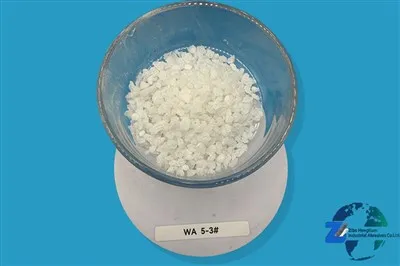
White corundum, also known as white fused alumina, is a high - quality abrasive material widely used in various industries. As a leading supplier of white corundum for abrasives, I've witnessed firsthand the importance of maintaining its performance to ensure optimal results in different applications. In this blog, I'll share some practical tips on how to maintain the performance of white corundum for abrasives.
Understanding the Properties of White Corundum
Before delving into maintenance strategies, it's crucial to understand the key properties of white corundum. White corundum is made by fusing high - purity alumina in an electric arc furnace at extremely high temperatures. It has a high hardness, excellent wear resistance, and a sharp cutting edge, which makes it suitable for a wide range of abrasive applications, including grinding, sandblasting, and polishing.
Storage Conditions
Proper storage is the first step in maintaining the performance of white corundum. White corundum should be stored in a dry and well - ventilated area. Moisture can cause the particles to clump together, reducing their effectiveness. For example, if white corundum is stored in a damp basement, the moisture in the air can gradually seep into the product. This not only affects the flowability of the abrasive but also may lead to chemical reactions that can degrade its quality.
It's also important to store white corundum in sealed containers. This helps prevent the entry of dust and other contaminants that could mix with the abrasive and reduce its cutting ability. When purchasing white corundum, make sure to check the packaging for any signs of damage. If the packaging is torn or damaged, it may expose the product to the environment, increasing the risk of contamination.
Handling and Transportation
When handling white corundum, it's essential to avoid rough treatment. Dropping or mishandling the containers can cause the abrasive particles to break, which will change their shape and size. Irregularly shaped particles may not perform as well as intact ones, as they may not provide a consistent cutting action.
During transportation, the containers should be secured properly to prevent them from shifting and colliding. If possible, use shock - absorbing materials to protect the white corundum during transit. For long - distance transportation, consider using specialized containers that are designed to protect the product from external factors such as temperature changes and vibrations.
Application - Specific Considerations
Bonded Abrasives
In the case of WA for Bonded Abrasives, the performance of white corundum can be maintained by ensuring the proper bonding process. The bonding material should be compatible with the white corundum and should be applied evenly. If the bonding is too weak, the abrasive particles may fall off prematurely, reducing the lifespan of the bonded abrasive. On the other hand, if the bonding is too strong, it may prevent the particles from self - sharpening, resulting in a dull cutting edge.


Sandblasting
For White fused alumina sandblasting, the equipment used plays a crucial role in maintaining the performance of white corundum. The sandblasting nozzle should be in good condition and have the appropriate size and shape. A worn - out nozzle can cause uneven distribution of the abrasive, leading to inconsistent results. Additionally, the pressure and flow rate of the sandblasting equipment should be adjusted according to the specific application. Too high a pressure may cause the white corundum to break into smaller particles, while too low a pressure may not provide enough cutting force.
Micropowder Applications
When using White Fused Alumina Micropowder, it's important to ensure a clean working environment. Micropowder is more susceptible to contamination than coarser abrasives. Any foreign particles in the micropowder can affect its performance, especially in applications such as medical device manufacturing and electronics. The equipment used in the application should also be regularly cleaned to prevent the build - up of debris.
Regular Inspection and Testing
Regular inspection and testing of white corundum are essential to maintain its performance. Visual inspection can help identify any obvious signs of damage or contamination. For example, if the white corundum appears discolored or has an unusual texture, it may indicate a problem.
Testing the abrasive properties, such as hardness and particle size distribution, can provide more detailed information about the quality of the white corundum. There are various testing methods available, including sieve analysis to determine the particle size distribution and hardness testing using a hardness tester. By regularly inspecting and testing the white corundum, you can detect any issues early and take appropriate measures to address them.
Recycling and Reuse
In some cases, white corundum can be recycled and reused. Recycling not only helps reduce costs but also has environmental benefits. After use, the abrasive can be collected and processed to remove contaminants. However, it's important to note that the recycled white corundum may have slightly different properties compared to the original product. Therefore, it's necessary to test the recycled material before using it in critical applications.
Conclusion
Maintaining the performance of white corundum for abrasives requires a comprehensive approach that includes proper storage, handling, application - specific considerations, regular inspection, and recycling. By following these tips, you can ensure that your white corundum continues to deliver high - quality results in various abrasive applications.
If you're interested in purchasing high - quality white corundum for your abrasive needs, we're here to help. We offer a wide range of white corundum products that are carefully manufactured to meet the highest standards. Contact us to discuss your specific requirements and start a successful partnership in the world of abrasives.
References
- Smith, J. (2020). Abrasive Materials and Their Applications. New York: ABC Publishing.
- Johnson, R. (2019). The Science of White Corundum. London: XYZ Press.
- Brown, S. (2021). Quality Control in Abrasive Manufacturing. Berlin: DEF Publications.