Measuring the diameter of a cutter grinding wheel is a crucial task, especially for those in the cutting tool industry. As a cutter grinding wheel supplier, I understand the significance of accurate measurements in ensuring the quality and performance of these essential tools. In this blog, I will share some effective methods and considerations for measuring the diameter of a cutter grinding wheel.
Why Measuring the Diameter is Important
The diameter of a cutter grinding wheel plays a vital role in its functionality. It affects the cutting speed, surface finish, and overall efficiency of the grinding process. An incorrect diameter can lead to poor cutting performance, increased wear on the wheel, and even damage to the workpiece. Therefore, precise measurement is essential to ensure that the grinding wheel meets the required specifications and performs optimally.
Methods for Measuring the Diameter
1. Using a Vernier Caliper
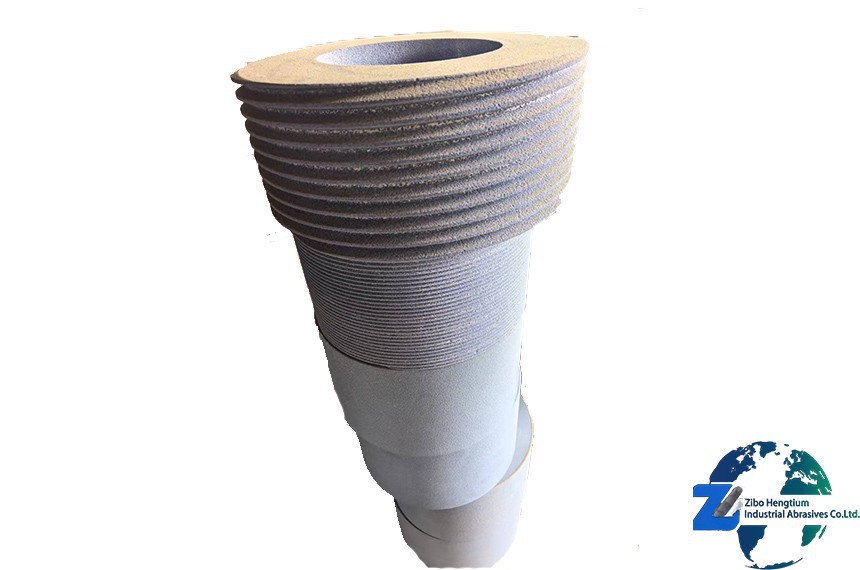
A vernier caliper is a common and accurate tool for measuring the diameter of a cutter grinding wheel. Here's how you can use it:

- Open the jaws of the caliper: Gently open the jaws of the vernier caliper wide enough to fit around the grinding wheel.
- Place the caliper on the wheel: Carefully position the caliper so that the jaws are perpendicular to the axis of the wheel and are in contact with the outer edge of the wheel.
- Read the measurement: Look at the scale on the caliper to determine the diameter of the wheel. Make sure to read the measurement accurately, taking into account the smallest division on the scale.
2. Using a Micrometer
A micrometer is another precise measuring tool that can be used to measure the diameter of a cutter grinding wheel. The process is similar to using a vernier caliper:
- Open the micrometer: Turn the thimble of the micrometer to open the anvil and spindle wide enough to fit the grinding wheel.
- Place the wheel between the anvil and spindle: Gently place the grinding wheel between the anvil and spindle of the micrometer.
- Take the measurement: Turn the thimble until the spindle makes contact with the wheel. Read the measurement on the sleeve and thimble of the micrometer.
3. Using a Dial Gauge
A dial gauge can also be used to measure the diameter of a cutter grinding wheel. This method is particularly useful for measuring the diameter of large or irregularly shaped wheels. Here's how it works:
- Mount the dial gauge: Mount the dial gauge on a stand or fixture so that the probe of the gauge is in contact with the outer edge of the grinding wheel.
- Zero the gauge: Set the dial gauge to zero when the probe is in contact with the wheel.
- Rotate the wheel: Slowly rotate the grinding wheel while keeping the probe in contact with the wheel. The dial gauge will show the variation in the diameter as the wheel rotates.
- Take the measurement: Read the maximum and minimum values on the dial gauge to determine the diameter of the wheel.
Considerations for Measuring the Diameter
1. Wheel Condition
The condition of the grinding wheel can affect the accuracy of the measurement. A worn or damaged wheel may have an irregular surface, which can lead to inaccurate measurements. Therefore, it is important to inspect the wheel before taking the measurement and ensure that it is in good condition.
2. Measurement Location
The location where the measurement is taken can also affect the accuracy of the result. It is recommended to take multiple measurements at different locations around the circumference of the wheel and calculate the average to get a more accurate measurement.
3. Temperature
The temperature of the grinding wheel can also affect its diameter. As the wheel heats up during the grinding process, it may expand, resulting in a larger diameter. Therefore, it is important to take the measurement when the wheel is at room temperature to ensure accuracy.
Types of Cutter Grinding Wheels
As a cutter grinding wheel supplier, we offer a wide range of grinding wheels to meet the diverse needs of our customers. Some of the popular types of cutter grinding wheels include:
- Cylindrical and Surface Grinding Wheels: These wheels are used for grinding cylindrical and flat surfaces. They are available in various sizes and abrasive materials to suit different applications.
- Worm Grinding Wheel: Worm grinding wheels are specifically designed for grinding worm gears. They are made of high-quality abrasive materials and have a special shape to ensure accurate grinding of the worm gear teeth.
- High-Precision Gear Grinding Wheel: These wheels are used for grinding gears with high precision. They are made of advanced abrasive materials and have a fine grain size to ensure a smooth and accurate surface finish.
Conclusion
Measuring the diameter of a cutter grinding wheel is an important step in ensuring its quality and performance. By using the right tools and following the proper procedures, you can obtain accurate measurements and ensure that the grinding wheel meets the required specifications. As a cutter grinding wheel supplier, we are committed to providing high-quality products and excellent customer service. If you have any questions or need assistance with measuring the diameter of a cutter grinding wheel, please feel free to contact us. We look forward to working with you to meet your grinding needs.
References
- "Grinding Technology: Theory and Applications of Machining with Abrasives" by Stephen Malkin
- "Manufacturing Engineering and Technology" by Serope Kalpakjian and Steven Schmid