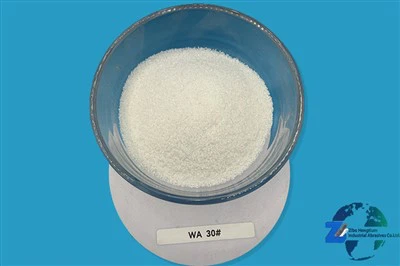
Hey there! As a supplier of high - precision gear grinding wheels, I've seen firsthand how crucial it is to optimize the grinding parameters. It can make a huge difference in the quality of the gears and the overall efficiency of the grinding process. So, let's dive into how you can optimize these parameters.
Understanding the Basics of Grinding Parameters
First off, we need to understand what grinding parameters are. They're basically the settings and conditions that we use during the grinding process. The main ones include grinding wheel speed, workpiece speed, feed rate, and depth of cut.


The grinding wheel speed is how fast the wheel rotates. A higher speed can lead to a smoother finish, but it can also cause more wear on the wheel. Workpiece speed, on the other hand, is how fast the gear (the workpiece) is moving. If it's too slow, you might end up with an uneven surface. The feed rate is how quickly the grinding wheel moves across the workpiece, and the depth of cut is how much material is removed in each pass.
Selecting the Right Grinding Wheel
Before we even start talking about optimizing parameters, we need to pick the right grinding wheel. We offer a wide range of Cylindrical and Surface Grinding Wheels, Cutter Grinding Wheel, and Guideway Grinding Wheel. The type of wheel you choose depends on the material of the gear, the required finish, and the precision needed.
For example, if you're grinding a hard - alloy gear, you'll need a wheel with a high - hardness abrasive. If you're looking for a super - smooth finish, a fine - grit wheel might be the way to go.
Optimizing Grinding Wheel Speed
Let's start with the grinding wheel speed. You want to find a balance between getting a good finish and not wearing out the wheel too quickly. A general rule of thumb is to start with the manufacturer's recommended speed. But you can also adjust it based on the material and the size of the gear.
If you're grinding a small gear, you might be able to increase the speed a bit. But for larger gears, you might need to slow it down to avoid overheating. Overheating can cause the gear to warp and affect its accuracy. You can use a tachometer to measure the actual speed of the wheel and make adjustments as needed.
Adjusting Workpiece Speed
The workpiece speed is just as important. If it's too slow, you're wasting time and might end up with a rough surface. If it's too fast, you might not remove enough material in each pass.
To find the right speed, you need to consider the size and shape of the gear. For gears with complex shapes, you might need to slow down the workpiece speed to ensure that all areas are properly ground. You can also use trial and error. Start with a moderate speed and see how the finish looks. If it's not up to par, adjust the speed accordingly.
Controlling Feed Rate
The feed rate determines how quickly the grinding wheel moves across the workpiece. A high feed rate can increase productivity, but it can also lead to a poor finish and more wear on the wheel. A low feed rate, on the other hand, can give you a better finish but will take longer.
You need to find a sweet spot. For rough grinding, you can use a higher feed rate to remove the bulk of the material quickly. But for finish grinding, you'll want to reduce the feed rate to get that smooth surface. You can also adjust the feed rate based on the hardness of the material. Harder materials usually require a lower feed rate.
Managing Depth of Cut
The depth of cut is how much material is removed in each pass of the grinding wheel. If it's too deep, you can cause excessive wear on the wheel and might even damage the gear. If it's too shallow, you'll need more passes to remove the required amount of material, which takes more time.
Start with a small depth of cut and gradually increase it as you go. This helps to prevent overloading the wheel and ensures a more consistent finish. You can also use a depth gauge to measure the depth of cut accurately.
Monitoring and Feedback
Optimizing grinding parameters is not a one - time thing. You need to continuously monitor the process and make adjustments based on the feedback you get. Check the surface finish of the gears regularly. If you see any signs of roughness, burning, or unevenness, it's a sign that you need to adjust the parameters.
You can also use sensors to monitor things like temperature, vibration, and power consumption. These can give you valuable insights into how the grinding process is going. For example, an increase in temperature might indicate that the grinding wheel speed is too high or the depth of cut is too deep.
Using Advanced Technology
In today's world, there are many advanced technologies available to help optimize grinding parameters. For example, computer - numerical - control (CNC) machines can be programmed to automatically adjust the parameters based on the specifications of the gear.
There are also software programs that can simulate the grinding process and help you find the optimal parameters before you even start grinding. These technologies can save you a lot of time and effort in the long run.
Conclusion
Optimizing the grinding parameters of a high - precision gear grinding wheel is a complex but rewarding process. By understanding the basics of grinding parameters, selecting the right wheel, and continuously monitoring and adjusting the settings, you can achieve a high - quality finish and improve the efficiency of your grinding process.
If you're interested in learning more about our high - precision gear grinding wheels or need help with optimizing your grinding parameters, don't hesitate to reach out. We're here to assist you in getting the best results for your gear - grinding needs.
References
- "Grinding Technology: Theory and Applications of Machining with Abrasives" by Stephen Malkin
- "Modern Grinding Technology" by Brian R. Marrow