Selecting the right porosity for a cutter grinding wheel is a critical decision that can significantly impact the performance, efficiency, and quality of your grinding operations. As a trusted cutter grinding wheel supplier, we understand the complexities involved in this process and are here to guide you through the key considerations to ensure you make the best choice for your specific needs.
Understanding Porosity in Grinding Wheels
Porosity refers to the presence of air spaces or voids within the structure of a grinding wheel. These voids play a crucial role in the grinding process by providing space for chips to be ejected, allowing coolant to penetrate the wheel, and reducing heat generation. The porosity of a grinding wheel is typically classified into different levels, ranging from low to high porosity.
Low porosity wheels have fewer and smaller voids, resulting in a denser structure. These wheels are generally used for applications that require high precision and a fine surface finish, such as tool grinding and finishing operations. High porosity wheels, on the other hand, have larger and more numerous voids, which make them more suitable for rough grinding and applications where heat generation is a concern.
Factors to Consider When Selecting Porosity
1. Material Being Ground
The type of material you are grinding is one of the most important factors to consider when selecting the porosity of a grinding wheel. Different materials have different hardness, toughness, and heat sensitivity, which can affect the performance of the grinding wheel.
- Hard and Brittle Materials: Materials such as carbide, ceramics, and glass are hard and brittle, and they tend to produce small, sharp chips during grinding. For these materials, a low porosity wheel is often recommended to provide a smooth and precise finish. The dense structure of the wheel helps to prevent the chips from clogging the pores and ensures that the abrasive grains remain sharp for longer.
- Soft and Ductile Materials: Soft and ductile materials, such as aluminum, copper, and mild steel, produce larger and more flexible chips during grinding. These chips can easily clog the pores of a low porosity wheel, leading to increased heat generation and reduced grinding efficiency. In this case, a high porosity wheel is a better choice as it allows the chips to be ejected more easily and provides better coolant penetration, which helps to reduce heat and prevent workpiece damage.
2. Grinding Operation
The type of grinding operation you are performing also plays a significant role in determining the appropriate porosity for your grinding wheel. Different grinding operations have different requirements in terms of material removal rate, surface finish, and heat generation.

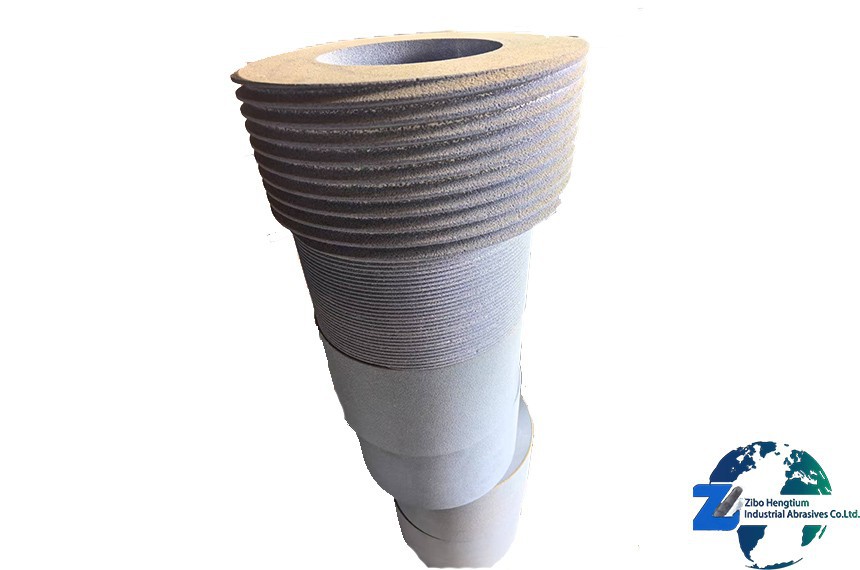
- Rough Grinding: Rough grinding operations are typically used to remove large amounts of material quickly. These operations require a high material removal rate and can generate a significant amount of heat. A high porosity wheel is ideal for rough grinding as it allows for efficient chip removal and better coolant flow, which helps to reduce heat and prevent wheel wear.
- Finish Grinding: Finish grinding operations are used to achieve a fine surface finish and tight tolerances. These operations require a lower material removal rate and less heat generation. A low porosity wheel is often preferred for finish grinding as it provides a smoother and more precise finish.
3. Wheel Speed and Feed Rate
The speed at which the grinding wheel rotates and the feed rate at which the workpiece is fed into the wheel can also affect the performance of the grinding wheel. Higher wheel speeds and feed rates generally require a higher porosity wheel to ensure efficient chip removal and prevent heat buildup.
- High-Speed Grinding: High-speed grinding operations, such as those used in CNC machines, require a grinding wheel that can withstand high rotational speeds and generate minimal heat. A high porosity wheel with a special bond and abrasive grain composition is often recommended for high-speed grinding to ensure optimal performance and safety.
- Low-Speed Grinding: Low-speed grinding operations, such as those used in manual grinding applications, may not require as high a porosity wheel as high-speed grinding. However, it is still important to consider the material being ground and the desired surface finish when selecting the porosity of the wheel.
4. Coolant Usage
The use of coolant during grinding can also have an impact on the performance of the grinding wheel. Coolant helps to reduce heat generation, flush away chips, and improve the surface finish of the workpiece. The type and amount of coolant used can affect the choice of porosity for the grinding wheel.
- Dry Grinding: In dry grinding operations, where no coolant is used, a high porosity wheel is often recommended to help dissipate heat and prevent wheel wear. The voids in the wheel provide space for the chips to be ejected and allow air to circulate, which helps to cool the wheel.
- Wet Grinding: When using coolant in grinding operations, a lower porosity wheel may be suitable as the coolant can help to flush away chips and reduce heat generation. However, it is still important to ensure that the wheel has enough porosity to allow the coolant to penetrate and reach the grinding zone.
Our Product Recommendations
As a leading cutter grinding wheel supplier, we offer a wide range of grinding wheels with different porosities to meet the diverse needs of our customers. Here are some of our recommended products for different applications:
- Worm Grinding Wheel: Our worm grinding wheels are designed for high-precision grinding of worm gears and other cylindrical components. These wheels feature a low porosity structure and a special abrasive grain composition to ensure a smooth and accurate finish.
- High-Performance Tool Grinding Wheel: Our high-performance tool grinding wheels are suitable for a variety of tool grinding applications, including drill bit grinding, end mill grinding, and reamer grinding. These wheels are available in different porosities to meet the specific requirements of each application and provide excellent performance and durability.
- Guideway Grinding Wheel: Our guideway grinding wheels are designed for grinding machine guideways and other flat surfaces. These wheels feature a high porosity structure and a special bond to ensure efficient chip removal and a smooth surface finish.
Conclusion
Selecting the right porosity for a cutter grinding wheel is a complex decision that requires careful consideration of several factors, including the material being ground, the grinding operation, the wheel speed and feed rate, and the coolant usage. By understanding these factors and choosing the appropriate porosity for your specific needs, you can ensure optimal performance, efficiency, and quality in your grinding operations.
If you have any questions or need further assistance in selecting the right grinding wheel for your application, please do not hesitate to contact us. Our team of experts is always ready to provide you with the best advice and solutions to meet your requirements. We look forward to working with you to achieve your grinding goals.
References
- Boothroyd, G., & Knight, W. A. (2006). Fundamentals of machining and machine tools. CRC Press.
- Trent, E. M., & Wright, P. K. (2000). Metal cutting. Butterworth-Heinemann.
- Kalpakjian, S., & Schmid, S. R. (2010). Manufacturing engineering and technology. Pearson Prentice Hall.