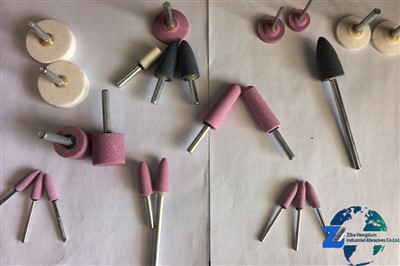
Chrome corundum, a high - performance abrasive material, has been widely used in various industrial processing fields. As a supplier of Chrome Corundum for Processing, I am very familiar with its application and processing techniques. In this blog, I will introduce how to use Chrome Corundum for Processing in combination with a pressure sensor.
1. Understanding Chrome Corundum
Chrome corundum is a type of abrasive made by smelting high - purity alumina powder with a certain amount of chromium oxide in an electric arc furnace. It has excellent hardness, high temperature resistance, and wear resistance. Chrome corundum can be used in different processing scenarios, such as grinding, polishing, and coating.
- Chrome Corundum for Grindings: Chrome corundum is very suitable for grinding various materials, especially hard and brittle materials. Its sharp cutting edges can effectively remove the material surface layer, improving the surface finish and dimensional accuracy of the workpiece. You can learn more about Chrome Corundum for Grindings.
- Chrome Corundum for Polishing: With its fine particles and high hardness, chrome corundum can be used for high - precision polishing. It can achieve a mirror - like finish on the workpiece surface, which is widely used in the fields of optics, electronics, and jewelry. For more information, visit Chrome Corundum for Polishing.
- Chrome Corundum for Coating: Chrome corundum can also be used as a coating material to improve the wear resistance and corrosion resistance of the surface. The coating formed by chrome corundum can protect the substrate from damage and extend its service life. Check out Chrome Corundum for Coating for more details.
2. The Role of Pressure Sensors in Chrome Corundum Processing
A pressure sensor is a device that can convert pressure into an electrical signal. In the processing of chrome corundum, the pressure sensor plays a crucial role.
- Monitoring the Processing Pressure: During the grinding, polishing, or coating process, the pressure applied to the chrome corundum has a significant impact on the processing effect. The pressure sensor can accurately measure the pressure, allowing operators to adjust the processing parameters in real - time. For example, in the grinding process, if the pressure is too high, it may cause excessive wear of the grinding wheel and damage to the workpiece; if the pressure is too low, the grinding efficiency will be reduced.
- Ensuring Processing Consistency: By using a pressure sensor, the processing pressure can be kept stable, ensuring the consistency of the processing quality. This is especially important in mass - production scenarios, where consistent processing quality is the key to product competitiveness.
3. Using Chrome Corundum with a Pressure Sensor in Different Processing Scenarios
Grinding
- Installation of the Pressure Sensor: First, install the pressure sensor on the grinding machine. The sensor should be installed at a position where it can accurately measure the pressure between the grinding wheel and the workpiece.
- Setting the Pressure Parameters: According to the material of the workpiece and the requirements of the grinding process, set the appropriate pressure range. For example, when grinding hard materials, a relatively high pressure may be required; for soft materials, a lower pressure is more appropriate.
- Real - time Monitoring and Adjustment: During the grinding process, the pressure sensor continuously monitors the pressure. If the pressure deviates from the set range, the operator can adjust the grinding machine in time, such as adjusting the feed rate or the rotational speed of the grinding wheel.
Polishing
- Pressure Control in Polishing: In the polishing process, the pressure also needs to be carefully controlled. Too much pressure may cause scratches on the workpiece surface, while too little pressure may not achieve the desired polishing effect. The pressure sensor can help maintain a stable pressure during the polishing process.
- Combining with Polishing Tools: The pressure sensor can be integrated with polishing tools such as polishing pads. By monitoring the pressure, the polishing process can be optimized to achieve a better surface finish.
Coating
- Pressure in Coating Application: When using chrome corundum for coating, the pressure during the coating process affects the adhesion and uniformity of the coating. The pressure sensor can ensure that the coating is applied with the appropriate pressure, improving the quality of the coating.
- Quality Assurance: By monitoring the pressure, the quality of the coating can be better controlled, reducing the occurrence of coating defects such as uneven thickness or poor adhesion.
4. Advantages of Using Chrome Corundum with a Pressure Sensor
- Improved Processing Quality: The combination of chrome corundum and a pressure sensor can significantly improve the processing quality. By accurately controlling the pressure, the surface finish, dimensional accuracy, and coating quality of the workpiece can be enhanced.
- Increased Processing Efficiency: With real - time pressure monitoring and adjustment, the processing efficiency can be improved. Operators can optimize the processing parameters according to the pressure data, reducing the processing time and waste.
- Cost - Effectiveness: By improving the processing quality and efficiency, the overall cost of the processing can be reduced. This includes reducing the cost of rework, improving the service life of the processing tools, and saving raw materials.
5. Tips for Using Chrome Corundum with a Pressure Sensor
- Calibration of the Pressure Sensor: Regularly calibrate the pressure sensor to ensure its accuracy. This can be done by using a standard pressure source and comparing the sensor readings with the known pressure values.
- Selection of Appropriate Pressure Sensors: Different processing scenarios may require different types of pressure sensors. Consider factors such as the pressure range, accuracy, and response time when selecting a pressure sensor.
- Training for Operators: Provide training for operators on how to use the pressure sensor and interpret the pressure data. This can help them make better decisions during the processing process.
6. Conclusion
Using Chrome Corundum for Processing in combination with a pressure sensor is a powerful way to improve the processing quality and efficiency. Whether it is grinding, polishing, or coating, the pressure sensor can play an important role in ensuring the stability and consistency of the processing. As a supplier of Chrome Corundum for Processing, we are committed to providing high - quality products and technical support. If you are interested in our Chrome Corundum products or have any questions about the processing technology, please feel free to contact us for procurement and negotiation.


References
- Smith, J. (2018). Abrasive Materials and Their Applications. Industrial Materials Journal, 25(3), 123 - 135.
- Johnson, A. (2019). Pressure Sensor Technology in Industrial Processing. Sensor Science Review, 12(2), 89 - 98.
- Brown, C. (2020). Chrome Corundum: Properties and Applications. Abrasive Technology Magazine, 30(4), 56 - 67.