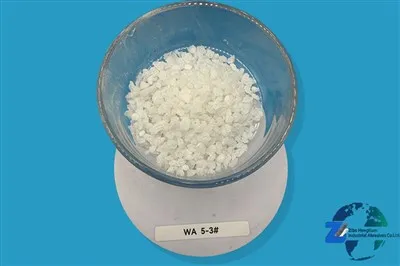
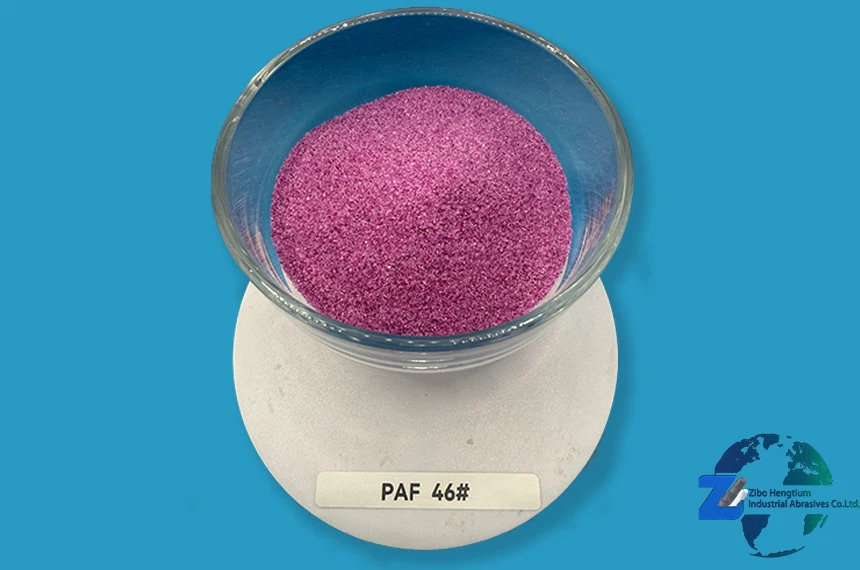
Chrome corundum, a synthetic abrasive material, has gained significant attention in various industrial applications due to its unique properties. As a leading supplier of chrome corundum, I am often asked about its adhesive properties. In this blog post, I will delve into the adhesive characteristics of chrome corundum, exploring how these properties make it an ideal choice for a wide range of applications.
Understanding Chrome Corundum
Before discussing its adhesive properties, it is essential to understand what chrome corundum is. Chrome corundum is a type of aluminum oxide abrasive that contains chromium oxide. The addition of chromium oxide enhances the hardness, toughness, and cutting ability of the material compared to regular aluminum oxide. This results in a more durable and efficient abrasive that can be used in grinding, polishing, and cutting operations.
Adhesive Properties of Chrome Corundum
The adhesive properties of chrome corundum play a crucial role in its performance in various applications. These properties are influenced by several factors, including the surface chemistry of the chrome corundum particles, the bonding agent used, and the application conditions.
Surface Chemistry
The surface chemistry of chrome corundum particles is a key factor in determining their adhesive properties. The presence of chromium oxide on the surface of the particles can affect the interaction between the particles and the bonding agent. Chromium oxide can form chemical bonds with certain bonding agents, enhancing the adhesion between the particles and the bond. This results in a stronger and more stable abrasive structure, which is essential for maintaining the integrity of the abrasive during use.
Bonding Agents
The choice of bonding agent is also critical in determining the adhesive properties of chrome corundum. Different bonding agents have different chemical and physical properties, which can affect their ability to adhere to the chrome corundum particles. Common bonding agents used with chrome corundum include resin, vitrified, and metal bonds.
- Resin Bonds: Resin bonds are organic polymers that can provide good adhesion to chrome corundum particles. They are flexible and can absorb shock, making them suitable for applications where high precision and surface finish are required. Resin-bonded chrome corundum wheels are commonly used in grinding and polishing operations. Chrome Corundum for Grindings
- Vitrified Bonds: Vitrified bonds are inorganic materials that are fired at high temperatures to form a glass-like structure. They provide excellent adhesion to chrome corundum particles and have high strength and heat resistance. Vitrified-bonded chrome corundum wheels are often used in high-speed grinding and cutting applications. Chrome Corundum for Cutting
- Metal Bonds: Metal bonds are made of metals or metal alloys and can provide strong adhesion to chrome corundum particles. They are suitable for applications where high material removal rates and long wheel life are required. Metal-bonded chrome corundum tools are commonly used in cutting and grinding hard materials such as ceramics and carbide.
Application Conditions
The application conditions, such as temperature, pressure, and the presence of contaminants, can also affect the adhesive properties of chrome corundum. High temperatures can cause the bonding agent to degrade, reducing the adhesion between the particles and the bond. Pressure can also affect the adhesion, as excessive pressure can cause the particles to break away from the bond. Contaminants, such as oil and dirt, can also interfere with the adhesion process, reducing the performance of the abrasive.


Applications of Chrome Corundum Based on Adhesive Properties
The adhesive properties of chrome corundum make it suitable for a wide range of applications in various industries. Some of the common applications include:
Grinding
In grinding applications, the adhesive properties of chrome corundum are essential for maintaining the shape and integrity of the grinding wheel. The strong adhesion between the particles and the bond ensures that the abrasive grains are held firmly in place, allowing for efficient material removal and a consistent surface finish. Chrome corundum grinding wheels are commonly used in the automotive, aerospace, and tool-making industries for grinding hard materials such as steel, stainless steel, and carbide. Chrome Corundum for Grindings
Polishing
In polishing applications, the adhesive properties of chrome corundum are important for achieving a high-quality surface finish. The ability of the bonding agent to hold the abrasive particles in place allows for precise control of the polishing process, resulting in a smooth and uniform surface. Chrome corundum polishing wheels are used in the jewelry, optical, and electronics industries for polishing precious metals, glass, and semiconductor materials. Chrome Corundum for Polishing
Cutting
In cutting applications, the adhesive properties of chrome corundum are crucial for ensuring the durability and performance of the cutting tool. The strong bond between the particles and the matrix allows the cutting tool to withstand high cutting forces and temperatures, resulting in a longer tool life and a more efficient cutting process. Chrome corundum cutting wheels are used in the construction, metalworking, and stone-cutting industries for cutting hard materials such as concrete, steel, and granite. Chrome Corundum for Cutting
Advantages of Using Chrome Corundum with Good Adhesive Properties
Using chrome corundum with good adhesive properties offers several advantages in industrial applications:
- Improved Performance: The strong adhesion between the particles and the bond ensures that the abrasive grains are held firmly in place, resulting in improved cutting, grinding, and polishing performance.
- Longer Tool Life: The durable bond between the particles and the matrix allows the cutting tool or grinding wheel to withstand high forces and temperatures, resulting in a longer tool life and reduced downtime.
- Consistent Quality: The uniform distribution of the abrasive particles and the strong bond ensure a consistent surface finish and material removal rate, resulting in high-quality products.
- Versatility: Chrome corundum with good adhesive properties can be used in a wide range of applications and industries, making it a versatile abrasive material.
Conclusion
The adhesive properties of chrome corundum are a critical factor in its performance in various industrial applications. The surface chemistry of the particles, the choice of bonding agent, and the application conditions all influence the adhesion between the particles and the bond. By understanding these factors, manufacturers can optimize the adhesive properties of chrome corundum to meet the specific requirements of different applications.
As a leading supplier of chrome corundum, we offer a wide range of products with excellent adhesive properties. Our chrome corundum is suitable for grinding, polishing, and cutting applications in various industries. If you are interested in learning more about our chrome corundum products or would like to discuss your specific application requirements, please feel free to contact us. We look forward to the opportunity to work with you and provide you with the best abrasive solutions for your needs.
References
- Smith, J. (2018). Abrasive Materials and Their Applications. New York: Wiley.
- Jones, A. (2019). The Science of Grinding. London: Elsevier.
- Brown, R. (2020). Cutting and Polishing Technologies. Berlin: Springer.