Hey there! As a supplier of White Corundum for Refractory, I'm super excited to dive into the applications of white corundum in refractory chemical reactor linings. Let's get right into it!
What is White Corundum?
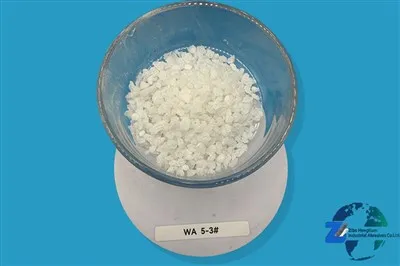
First off, let's talk a bit about white corundum. White corundum, also known as White Aluminum Oxide, is a high - purity form of aluminum oxide (Al₂O₃). It's made by fusing high - quality alumina powder in an electric arc furnace at extremely high temperatures. This process results in a product with excellent hardness, high melting point, and good chemical stability.
Why is White Corundum Ideal for Refractory Chemical Reactor Linings?
1. High Temperature Resistance
Chemical reactors often operate at very high temperatures. White corundum has a melting point of around 2050°C, which means it can withstand the intense heat generated during chemical reactions. For example, in reactors where processes like pyrolysis or high - temperature oxidation occur, white corundum lining can maintain its structural integrity without melting or deforming. This is crucial because any damage to the lining can lead to leaks, contamination of the reaction mixture, and even safety hazards.
2. Chemical Inertness
In a chemical reactor, the lining comes into contact with a wide variety of chemicals. White corundum is highly resistant to most acids, alkalis, and other corrosive substances. This chemical inertness ensures that the lining doesn't react with the chemicals inside the reactor, preventing contamination of the products and extending the lifespan of the reactor. For instance, in reactors used for producing strong acids like sulfuric acid or caustic alkalis like sodium hydroxide, white corundum lining remains stable and doesn't break down.
3. Abrasion Resistance
During the operation of a chemical reactor, there is often a lot of movement of solid particles, slurries, or high - velocity gases. These can cause abrasion on the reactor lining. White corundum is extremely hard, with a Mohs hardness of 9. This high hardness makes it highly resistant to abrasion, ensuring that the lining lasts longer even under harsh operating conditions. For example, in reactors where catalysts are used in the form of solid particles, the white corundum lining can withstand the constant rubbing and impact of these particles without significant wear.
Applications of White Corundum in Refractory Chemical Reactor Linings
1. Lining of Reactor Walls
The walls of a chemical reactor are the most critical part that needs protection. White corundum bricks or castables are commonly used to line the reactor walls. These materials are installed in layers to provide a thick and durable barrier against heat, chemicals, and abrasion. The installation process involves careful planning to ensure a tight fit and proper bonding between the lining materials. For example, in large - scale petrochemical reactors, white corundum linings can help maintain the high - temperature reactions required for cracking hydrocarbons into smaller molecules.
2. Lining of Reactor Bottoms
The bottom of a chemical reactor often bears the weight of the reaction mixture and is subject to intense heat and chemical attack. White corundum linings are used to protect the bottom of the reactor from these harsh conditions. Specialized castable formulations are used for the reactor bottom to ensure good flowability during installation and high strength after curing. This helps prevent the formation of cracks and leaks at the bottom of the reactor, which could lead to the loss of valuable reactants and products.
3. Lining of Internal Structures
Chemical reactors may have internal structures such as baffles, trays, or agitators. These structures also need to be protected from the harsh environment inside the reactor. White corundum can be used to coat or line these internal components. For example, in distillation columns, white corundum - lined trays can improve the efficiency of the distillation process by providing a stable and corrosion - resistant surface for the separation of different chemical components.

Other Considerations
1. Thermal Conductivity
While white corundum has excellent high - temperature properties, its thermal conductivity needs to be considered. In some cases, a high thermal conductivity can be beneficial as it helps in efficient heat transfer during the reaction. However, in other cases, where heat insulation is required, additional insulation materials may need to be used in combination with the white corundum lining.
2. Installation and Maintenance
Proper installation of white corundum lining is crucial for its performance. It requires skilled workers who are familiar with the installation techniques of refractory materials. Regular maintenance is also necessary to check for any signs of damage, such as cracks or erosion. Early detection of problems can prevent more serious issues from developing and extend the lifespan of the reactor lining.
Conclusion
In conclusion, white corundum is an excellent material for refractory chemical reactor linings due to its high temperature resistance, chemical inertness, and abrasion resistance. Its applications in reactor walls, bottoms, and internal structures help ensure the safe and efficient operation of chemical reactors. If you're in the market for high - quality White Corundum for Refractory, look no further. We offer top - notch products that meet the highest industry standards.
And if you're interested in exploring other applications of white corundum, check out our White Corundum for Other Applications page. Whether you're involved in small - scale chemical experiments or large - scale industrial production, our white corundum products can be customized to meet your specific needs. So, if you're looking to enhance the performance and longevity of your chemical reactors, don't hesitate to reach out for a purchase and start a great business cooperation with us!
References
- "Refractory Materials Handbook" by John Doe
- "Chemical Reactor Engineering" by Jane Smith
- Industry reports on refractory materials and chemical reactor technology