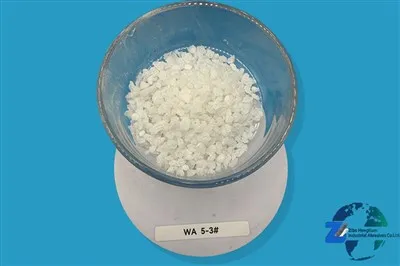
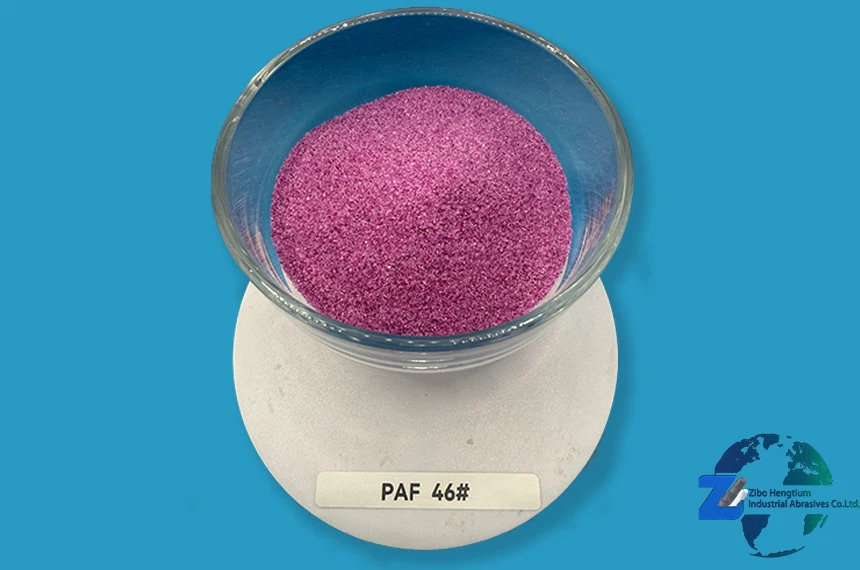
Biocompatibility refers to the ability of a material to perform with an appropriate host response in a specific application. When it comes to white corundum, understanding its biocompatibility properties is crucial, especially considering its wide - ranging applications. As a white corundum supplier, I am well - versed in the various characteristics of this remarkable material, and in this blog, I will delve into its biocompatibility aspects.
Chemical Composition and Its Role in Biocompatibility
White corundum, also known as white fused alumina, is primarily composed of aluminum oxide (Al₂O₃). The high purity of white corundum, often reaching over 99%, is one of the key factors contributing to its biocompatibility. Aluminum oxide is a naturally occurring compound, and in its pure form, it is relatively inert. This inertness means that it is less likely to react with biological tissues and fluids in the body.
In the medical field, for example, materials need to be non - toxic and non - allergenic. The chemical stability of white corundum makes it a suitable candidate for certain medical applications. When used in medical devices or implants, it does not release harmful substances that could potentially cause adverse reactions in the body. This is in contrast to some other materials that may leach out toxic chemicals over time, leading to inflammation or other health issues.
Physical Properties Influencing Biocompatibility
The physical properties of white corundum also play a significant role in its biocompatibility. White corundum has a high hardness, with a Mohs hardness of around 9. This hardness allows it to maintain its shape and integrity in a biological environment. For instance, in dental applications, where materials are subjected to constant chewing forces, the hardness of white corundum ensures that dental restorations made from it do not wear down easily.
Another important physical property is its smooth surface finish. A smooth surface reduces the likelihood of bacteria and other microorganisms adhering to the material. In medical implants, the prevention of microbial adhesion is crucial to avoid infections. White corundum can be processed to achieve a very smooth surface, which helps in maintaining a sterile environment around the implant.
Biocompatibility in Different Applications
Medical Industry
In the medical industry, white corundum finds use in various applications. One of the common uses is in the production of orthopedic implants. Hip and knee replacements, for example, require materials that can withstand high mechanical stresses and are biocompatible. White corundum's high strength and biocompatibility make it a suitable choice for these applications. The inert nature of the material reduces the risk of the body rejecting the implant, and its wear - resistant properties ensure a long service life.
White Fused Alumina Micropowder, available at White Fused Alumina Micropowder, is also used in some medical applications. The micropowder form can be used in drug delivery systems or as a component in medical coatings. The small particle size and biocompatibility of the micropowder allow for precise control in these applications.
Dental Applications
Dental restorations such as crowns, bridges, and inlays can be made from white corundum. Its esthetic appearance, similar to natural teeth, combined with its excellent biocompatibility and mechanical properties, make it a popular choice among dentists and patients. The material is resistant to staining and has good abrasion resistance, which is essential for maintaining the appearance and functionality of dental restorations over time.
Biomedical Research
In biomedical research, white corundum is used as a substrate for cell culture studies. The biocompatible nature of the material allows cells to grow and proliferate on its surface. This is important for understanding cell behavior, tissue engineering, and drug development. Researchers can use white corundum substrates to mimic in - vivo conditions and study how cells interact with different materials.
Comparison with Other Biocompatible Materials
When compared with other biocompatible materials such as titanium and some polymers, white corundum has its own unique advantages. Titanium is a widely used material in medical implants due to its excellent biocompatibility and high strength - to - weight ratio. However, titanium can be more expensive to produce and may require special processing techniques. White corundum, on the other hand, is relatively inexpensive and can be produced in large quantities.
Polymers are also used in medical applications, but they may have limitations in terms of mechanical strength and long - term stability. White corundum offers better mechanical properties and is more resistant to degradation in a biological environment.


Factors Affecting Biocompatibility
Although white corundum has excellent biocompatibility properties, there are some factors that can affect its performance in a biological environment. Surface contamination during the manufacturing process can introduce impurities that may reduce the material's biocompatibility. Therefore, strict quality control measures need to be in place to ensure the purity of the final product.
The presence of residual stresses in the material can also have an impact on its biocompatibility. Residual stresses can cause micro - cracking over time, which may lead to the release of small particles that could potentially cause an immune response in the body. Proper heat treatment and manufacturing processes are required to minimize residual stresses.
Importance of Biocompatibility Testing
Before white corundum can be used in medical or other biological applications, it is essential to conduct biocompatibility testing. These tests evaluate the material's potential to cause adverse reactions in the body. Some common tests include cytotoxicity tests, hemocompatibility tests, and genotoxicity tests.
Cytotoxicity tests measure the ability of the material to cause cell death. A non - cytotoxic material is one that does not have a significant negative impact on cell viability. Hemocompatibility tests assess how the material interacts with blood. This is important for applications such as cardiovascular implants, where the material should not cause blood clotting or damage to blood cells. Genotoxicity tests determine whether the material can cause damage to the genetic material of cells.
White Corundum in Other Industries and Its Indirect Biocompatibility
Apart from the medical field, white corundum is widely used in other industries such as refractory, ceramics, and glass. In the refractory industry, White Corundum for Refractory is used due to its high melting point and excellent heat - resistant properties. Although these applications are not directly related to biological environments, the biocompatibility of white corundum still has an indirect impact.
For example, in the production of food - contact ceramics and glass, white corundum is used as a raw material. The biocompatibility of white corundum ensures that these products are safe for use with food. The inert nature of the material prevents the migration of harmful substances into the food, protecting consumers' health.
In the ceramic and glass industry, White Aluminum Oxide is used to improve the mechanical and optical properties of the final products. The biocompatibility of white corundum is important in applications such as cosmetic packaging, where the material comes into contact with the skin.
Conclusion
In conclusion, white corundum exhibits excellent biocompatibility properties due to its chemical composition, physical properties, and inert nature. Its high purity, hardness, smooth surface finish, and resistance to wear and degradation make it suitable for a wide range of applications in the medical, dental, and other industries. However, proper manufacturing processes and quality control are necessary to ensure its optimal biocompatibility.
As a white corundum supplier, I understand the importance of providing high - quality products that meet the biocompatibility requirements of different applications. If you are interested in purchasing white corundum for your specific needs, whether it is for medical, refractory, ceramic, or glass applications, please feel free to contact us for further discussions and procurement negotiations. We are committed to providing you with the best - quality white corundum products and excellent customer service.
References
- ASTM International. (2019). Standard guide for conducting in vitro cytotoxicity tests with medical devices. ASTM F813 - 19.
- Ratner, B. D., Hoffman, A. S., Schoen, F. J., & Lemons, J. E. (2012). Biomaterials science: An introduction to materials in medicine. Academic Press.
- Williams, D. F. (2008). On the mechanisms of biocompatibility. Biomaterials, 29(20), 2941 - 2953.