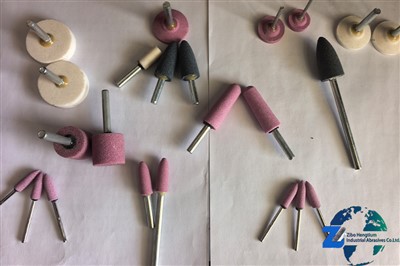
In the realm of refractory production, white corundum stands as a cornerstone material, renowned for its high purity, excellent thermal stability, and remarkable abrasion resistance. As a supplier of White Corundum for Refractory, I have witnessed firsthand the critical role that white corundum plays in this industry. However, like any production process, the use of white corundum in refractory manufacturing is not without its challenges. In this blog post, I will delve into the key challenges faced in the white corundum for refractory production process and explore potential solutions.
1. Raw Material Quality and Availability
The quality of raw materials is the foundation of producing high - quality white corundum for refractory applications. White corundum is typically produced from high - purity alumina, and the source and quality of this alumina can vary significantly.
Variability in Alumina Purity
Alumina with inconsistent purity levels can lead to variations in the properties of the final white corundum product. Impurities such as silica, iron oxide, and titanium dioxide can affect the melting point, chemical stability, and mechanical strength of the refractory materials. For example, iron oxide impurities can cause discoloration and reduce the corrosion resistance of the refractory. Ensuring a consistent supply of high - purity alumina is essential, but it can be challenging due to the limited availability of high - grade bauxite ore, which is the primary source of alumina.
Supply Chain Disruptions
The global supply chain for alumina is subject to various factors, including geopolitical issues, mining regulations, and natural disasters. Any disruption in the supply of alumina can lead to production delays and increased costs for white corundum manufacturers. For instance, a strike at a major bauxite mine or a change in export policies of a producing country can quickly impact the availability of raw materials.
2. Energy Consumption and Environmental Impact
The production of white corundum is an energy - intensive process. It typically involves melting alumina in an electric arc furnace at temperatures above 2000°C.
High Energy Costs
The high energy requirements of the melting process contribute significantly to the production cost of white corundum. Fluctuations in electricity prices can have a direct impact on the profitability of the manufacturing operations. In addition, as energy prices continue to rise globally, finding ways to reduce energy consumption without compromising product quality is a major challenge. For example, improving the energy efficiency of the electric arc furnace through advanced furnace design and process optimization can help reduce energy costs.
Environmental Concerns
The energy - intensive nature of white corundum production also raises environmental concerns. The large amount of electricity used often comes from fossil - fuel - based power plants, which emit greenhouse gases such as carbon dioxide. Moreover, the production process may generate dust and other pollutants, which need to be properly managed to comply with environmental regulations. Implementing cleaner production technologies and waste management strategies is crucial to minimize the environmental impact of white corundum production.
3. Product Quality Control
Maintaining consistent product quality is essential in the refractory industry, as the performance of refractory materials directly affects the efficiency and safety of industrial processes.
Homogeneity of the Product
Ensuring the homogeneity of white corundum particles is a challenge. Variations in particle size, shape, and chemical composition can lead to differences in the physical and chemical properties of the refractory materials. For example, non - uniform particle size distribution can affect the packing density and porosity of the refractory, which in turn can influence its thermal conductivity and mechanical strength. Strict quality control measures, such as sieving, grading, and chemical analysis, are required at every stage of the production process to ensure product homogeneity.
Meeting Customer - Specific Requirements
Different customers may have specific requirements for the properties of white corundum, such as particle size, purity, and hardness, depending on their application. For example, White Corundum for Abrasives may require a different particle size and hardness compared to white corundum used in White Corundum for Electronics and Optics. Meeting these diverse customer requirements while maintaining consistent product quality can be a complex task.


4. Technological Advancements and Competition
The refractory industry is constantly evolving, and there is a continuous need for technological advancements in white corundum production.
Keeping Up with New Technologies
New technologies are emerging that can improve the quality and efficiency of white corundum production. For example, the development of new furnace lining materials and electrode technologies can reduce energy consumption and extend the service life of the electric arc furnace. However, adopting these new technologies requires significant investment in research and development and equipment upgrades. Small and medium - sized white corundum manufacturers may find it difficult to keep up with the pace of technological change.
Intense Market Competition
The global market for white corundum for refractory applications is highly competitive. There are numerous manufacturers worldwide, and price competition is fierce. To remain competitive, manufacturers need to not only improve product quality but also reduce production costs. This requires continuous innovation in production processes and cost - management strategies.
5. Product Application and Compatibility
White corundum is used in a wide range of refractory applications, each with its own specific requirements.
Compatibility with Other Refractory Materials
When white corundum is used in combination with other refractory materials, ensuring compatibility is crucial. Different materials may have different thermal expansion coefficients, chemical reactivity, and mechanical properties. For example, if white corundum is used in a refractory lining with a material that has a significantly different thermal expansion coefficient, thermal stress can occur during heating and cooling cycles, leading to cracking and failure of the lining.
Meeting Application - Specific Performance Requirements
Different industrial applications, such as steelmaking, glassmaking, and cement production, have different performance requirements for refractory materials. For example, refractory materials used in steelmaking need to withstand high temperatures, chemical corrosion, and mechanical erosion. Ensuring that the white corundum - based refractory materials can meet these specific performance requirements is a challenge, as it often requires custom - designing the product composition and manufacturing process.
Potential Solutions
Raw Material Management
To address the challenges related to raw material quality and availability, manufacturers can establish long - term partnerships with reliable suppliers. Conducting regular quality inspections of incoming raw materials and investing in in - house raw material purification technologies can help improve the quality of the final product. Additionally, exploring alternative sources of alumina, such as recycled alumina or synthetic alumina, can reduce dependence on traditional bauxite - based sources.
Energy and Environmental Management
To reduce energy consumption, manufacturers can invest in energy - efficient technologies, such as advanced furnace control systems and waste heat recovery systems. Implementing renewable energy sources, such as solar or wind power, can also help reduce the environmental impact of the production process. In addition, adopting cleaner production technologies and waste treatment methods can ensure compliance with environmental regulations.
Quality Control and Product Development
Implementing a comprehensive quality control system, including strict in - process and final product testing, can help ensure the consistency and quality of white corundum products. Collaborating with customers to understand their specific requirements and developing customized products can also enhance customer satisfaction and competitiveness in the market.
Technological Innovation
Manufacturers should invest in research and development to keep up with technological advancements. This can involve collaborating with research institutions and universities to develop new production processes and materials. Participating in industry associations and technology exchange programs can also help manufacturers stay informed about the latest trends and technologies.
In conclusion, while white corundum is a vital material in the refractory industry, the production process faces several challenges. By addressing these challenges through effective raw material management, energy - saving measures, quality control, and technological innovation, white corundum manufacturers can improve product quality, reduce costs, and enhance their competitiveness in the global market.
If you are interested in our White Corundum for Refractory products or have any questions about our solutions, please feel free to contact us for further discussion and potential procurement opportunities.
References
- "Refractory Materials: Properties, Applications, and Manufacturing Processes" by John Smith, published by Elsevier.
- "Advanced Ceramics for High - Temperature Applications" by Mary Johnson, published by Springer.
- Industry reports on the global white corundum market from market research firms such as Grand View Research and MarketsandMarkets.