As a grinding wheel supplier, I've witnessed firsthand the widespread use of these essential tools across various industries. Grinding wheels are pivotal in precision machining, from shaping metal components to finishing surfaces. However, it's crucial to understand that their production and use have significant environmental impacts. In this blog, I'll delve into the environmental aspects associated with grinding wheels, highlighting both the challenges and potential solutions.
Raw Material Extraction and Processing
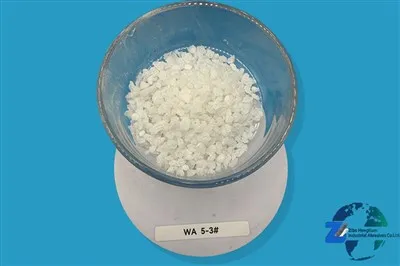
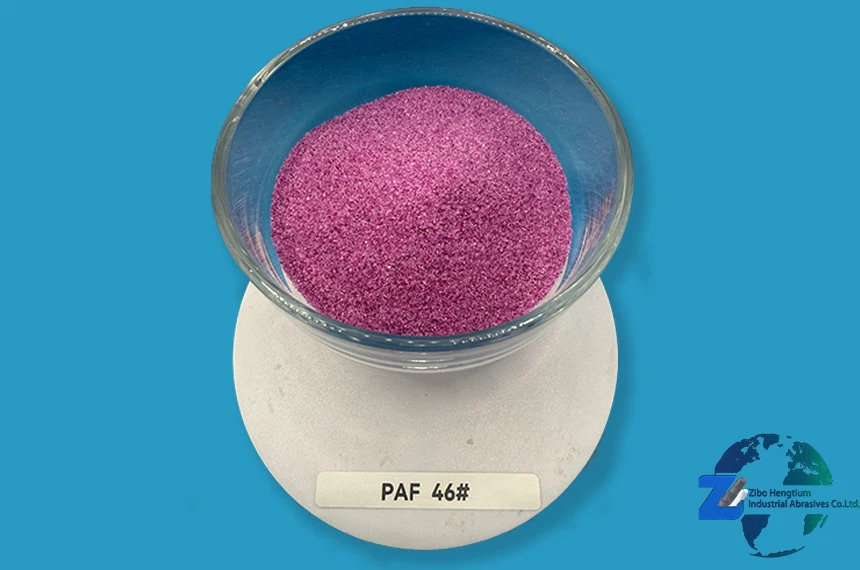
The production of grinding wheels begins with the extraction of raw materials. Abrasive grains such as aluminum oxide, silicon carbide, and diamond are commonly used. The mining of these materials can have severe environmental consequences. For instance, open - pit mining, which is often used to extract aluminum oxide, can lead to deforestation, soil erosion, and habitat destruction. The removal of large amounts of topsoil disrupts local ecosystems, displacing wildlife and reducing biodiversity.
Moreover, the processing of these raw materials into usable abrasive grains requires substantial energy. High - temperature furnaces are used to refine and transform the mined materials into the desired abrasive forms. This energy consumption typically comes from non - renewable sources such as coal and natural gas, contributing to greenhouse gas emissions and climate change.
Manufacturing Processes
The manufacturing of grinding wheels involves several complex processes. Bonding agents, which hold the abrasive grains together, are added during the production. These bonding agents can be made from various materials, including resins and vitrified materials. The production of these bonding agents often involves the use of chemicals that can be harmful to the environment. For example, some resins contain volatile organic compounds (VOCs) that are released into the atmosphere during the manufacturing process. VOCs contribute to air pollution, smog formation, and can have adverse health effects on humans.
In addition, the shaping and curing processes of grinding wheels require energy - intensive equipment. The use of large presses, ovens, and grinding machines consumes a significant amount of electricity. This high energy demand not only depletes natural resources but also increases the carbon footprint of the manufacturing facility.
Waste Generation
One of the most significant environmental impacts of grinding wheels is waste generation. During the grinding process, a large amount of debris is produced. This debris consists of abrasive grains, bonding agents, and the material being ground. The disposal of this waste can be challenging. In many cases, the waste is sent to landfills, where it can take up valuable space and potentially leach harmful chemicals into the soil and groundwater.
Furthermore, used grinding wheels themselves are also a form of waste. Once a grinding wheel has reached the end of its useful life, it needs to be discarded. These wheels are often made of a combination of materials that are difficult to separate and recycle. As a result, a large number of used grinding wheels end up in landfills, contributing to the growing problem of solid waste.
Energy Consumption During Use
When grinding wheels are in use, they require a considerable amount of energy. Industrial grinding machines need to operate at high speeds to achieve the desired grinding results. This high - speed operation demands a continuous supply of electricity. The energy consumption during the grinding process not only adds to the overall environmental impact but also increases the operational costs for end - users.
Potential Solutions
Despite these environmental challenges, there are several ways to mitigate the impacts of grinding wheels.
Sustainable Raw Material Sourcing
As a supplier, we can work towards sourcing raw materials from sustainable mines. Some mines are adopting more environmentally friendly practices, such as reforestation programs after mining operations and using renewable energy sources for extraction and processing. By choosing suppliers who prioritize sustainability, we can reduce the environmental impact at the very beginning of the production process.
Green Manufacturing Processes
Manufacturers can invest in research and development to find more environmentally friendly bonding agents. For example, bio - based resins can be used as an alternative to traditional resins, reducing the release of VOCs. Additionally, improving the energy efficiency of manufacturing equipment can significantly reduce energy consumption. Using advanced control systems and energy - saving technologies can optimize the operation of presses, ovens, and other machinery.
Recycling and Reuse
Recycling programs for used grinding wheels and grinding waste can be established. By separating the different components of used wheels, such as the abrasive grains and bonding agents, these materials can be reused in the production of new grinding wheels. Some companies are already exploring innovative recycling methods, such as using chemical processes to break down the bonding agents and recover the abrasive grains.
Energy - Efficient Grinding Technologies
End - users can also play a role in reducing the environmental impact. They can invest in energy - efficient grinding machines. Newer models often come with advanced features such as variable speed drives and automatic shutdown functions, which can significantly reduce energy consumption during operation.
Our Product Offerings
At our company, we are committed to minimizing the environmental impact of our grinding wheels. We offer a range of high - quality products, including the High - Precision Gear Grinding Wheel, which is designed for precise gear machining. Our Cylindrical and Surface Grinding Wheels are suitable for a variety of applications, providing excellent surface finishing. And for guideway grinding, our Guideway Grinding Wheel offers reliable performance.
Contact Us for Sustainable Grinding Solutions
We understand the importance of environmental sustainability in today's world. If you are looking for grinding wheels that not only meet your performance requirements but also have a reduced environmental impact, we invite you to contact us. We can discuss your specific needs and provide you with the best - suited products and solutions. Let's work together to achieve a more sustainable future in the grinding industry.


References
- "Environmental Impacts of Mining and Mineral Processing" by International Council on Mining and Metals
- "Sustainable Manufacturing in the Grinding Industry" by Journal of Manufacturing Processes
- "Energy - Efficient Grinding Technologies" by American Society of Mechanical Engineers