Hey there, fellow grinding enthusiasts! As a grinding wheel supplier, I've seen firsthand how the precision of grinding can make or break a project. Whether you're working on a small DIY job or a large industrial operation, getting that perfect finish is crucial. So, let's dive into the factors that influence the precision of grinding with a grinding wheel.
1. Grinding Wheel Characteristics
The first set of factors we need to consider are the characteristics of the grinding wheel itself. These include the abrasive type, grain size, bond type, and wheel hardness.
Abrasive Type
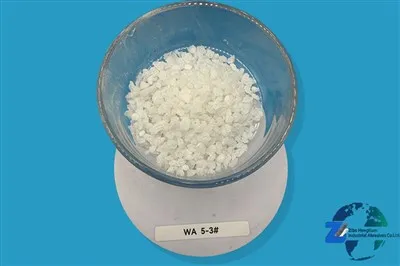
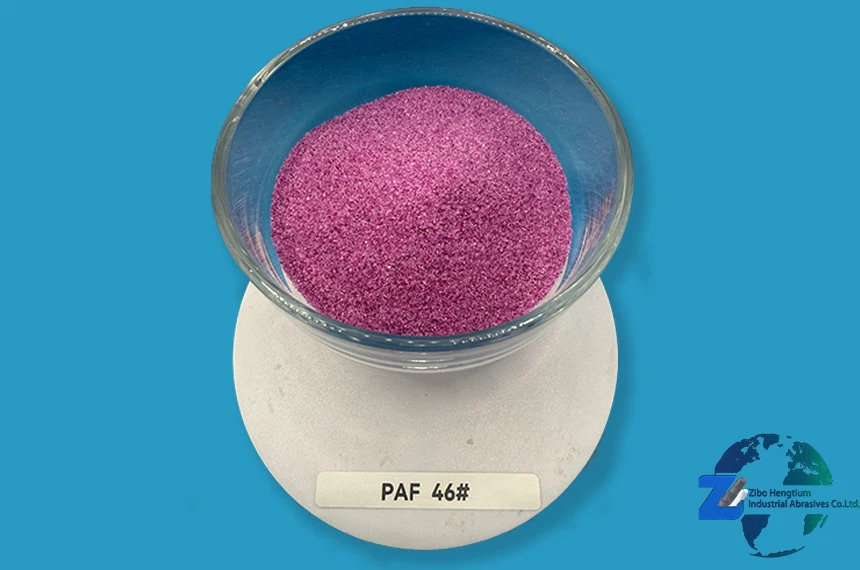
Different abrasive materials have different properties, which can significantly affect the grinding precision. For example, aluminum oxide is a common abrasive that's great for grinding ferrous metals. It's relatively inexpensive and can handle a wide range of grinding applications. On the other hand, silicon carbide is harder and more brittle, making it ideal for non - ferrous metals and some non - metallic materials.
If you're looking for a high - performance option, you might want to check out our High - Performance Tool Grinding Wheel. It uses advanced abrasive materials to ensure a precise and efficient grinding process.
Grain Size
The grain size of the grinding wheel determines the surface finish and the material removal rate. A coarser grain size will remove material more quickly but may leave a rougher surface. In contrast, a finer grain size will produce a smoother finish but at a slower material removal rate.
When you need a very precise finish, like in tool and die making, a fine - grained wheel is the way to go. Our Cutter Grinding Wheel comes in various grain sizes to meet different precision requirements.
Bond Type
The bond holds the abrasive grains together in the grinding wheel. There are several types of bonds, such as vitrified, resinoid, and metal bonds. Vitrified bonds are very hard and rigid, providing good shape retention during grinding. Resinoid bonds are more flexible and can absorb shock, which is useful for high - speed grinding. Metal bonds are extremely strong and are often used in applications where high precision and long wheel life are required.
Wheel Hardness
Wheel hardness refers to how easily the abrasive grains are released from the bond. A hard wheel will hold the grains more firmly, which is suitable for grinding hard materials or when you need to maintain the wheel's shape. A soft wheel, on the other hand, will release the grains more readily, preventing the wheel from glazing and allowing for better self - sharpening.


2. Machine Conditions
The grinding machine itself plays a huge role in the precision of grinding.
Machine Rigidity
A rigid grinding machine is essential for precision grinding. If the machine is not rigid enough, it can vibrate during the grinding process, which will lead to an uneven surface finish and inaccurate dimensions. Make sure your machine is properly maintained and calibrated to minimize vibrations.
Spindle Accuracy
The spindle is the part of the machine that rotates the grinding wheel. Any inaccuracies in the spindle, such as runout or misalignment, can cause the wheel to deviate from its intended path, resulting in poor grinding precision. Regularly check and adjust the spindle to ensure it's running smoothly.
Feed and Speed Control
The feed rate (how fast the workpiece is moved towards the grinding wheel) and the wheel speed are critical factors. If the feed rate is too high, the wheel may overload and cause excessive wear or damage to the workpiece. If the wheel speed is incorrect, it can affect the material removal rate and the surface finish. Most modern grinding machines allow you to precisely control these parameters for optimal results.
3. Workpiece Material and Geometry
The material and shape of the workpiece also have a significant impact on grinding precision.
Workpiece Material
Different materials have different hardness, toughness, and thermal properties. Hard materials, like hardened steel, require a different grinding approach compared to soft materials, such as aluminum. For example, when grinding hard materials, you may need to use a harder wheel and a slower feed rate to avoid overheating and damage to the wheel.
Workpiece Geometry
The shape of the workpiece can make the grinding process more or less challenging. Complex geometries, such as curved surfaces or small holes, require more precise control of the grinding wheel's movement. Specialized grinding wheels, like our Worm Grinding Wheel, are designed to handle specific workpiece geometries with high precision.
4. Grinding Fluid
Using the right grinding fluid is crucial for precision grinding. Grinding fluid, also known as coolant, serves several purposes.
Cooling
During the grinding process, a lot of heat is generated. If this heat is not dissipated properly, it can cause thermal damage to the workpiece, such as hardening or cracking. Grinding fluid helps to cool the workpiece and the grinding wheel, reducing the risk of thermal damage and improving the grinding precision.
Lubrication
The fluid also acts as a lubricant, reducing the friction between the grinding wheel and the workpiece. This not only improves the surface finish but also extends the life of the grinding wheel.
Chip Removal
Grinding produces chips, which can get stuck between the abrasive grains and the workpiece, affecting the grinding precision. The grinding fluid helps to flush these chips away, keeping the grinding process clean and efficient.
5. Operator Skill and Experience
Last but not least, the skill and experience of the operator cannot be underestimated.
Setup and Adjustment
A skilled operator knows how to properly set up the grinding machine, including installing the grinding wheel correctly, adjusting the feed and speed settings, and aligning the workpiece. These initial steps are crucial for achieving high - precision grinding.
Monitoring and Control
During the grinding process, the operator needs to constantly monitor the grinding conditions, such as the surface finish, the temperature, and the sound of the machine. They can then make adjustments as needed to ensure the grinding process stays on track.
Problem - Solving
When problems arise, like wheel wear or workpiece damage, an experienced operator can quickly identify the cause and take appropriate measures to fix it. This ability to troubleshoot on the spot can save a lot of time and resources.
In conclusion, achieving high - precision grinding with a grinding wheel is a complex process that involves multiple factors. By carefully considering the characteristics of the grinding wheel, the conditions of the machine, the properties of the workpiece, the use of grinding fluid, and the skill of the operator, you can significantly improve the precision of your grinding operations.
If you're in the market for high - quality grinding wheels that can help you achieve better precision, don't hesitate to reach out. We're here to assist you in finding the perfect grinding wheel for your specific needs. Whether you need a High - Performance Tool Grinding Wheel, a Worm Grinding Wheel, or a Cutter Grinding Wheel, we've got you covered. Let's start a conversation about your grinding requirements and see how we can work together to take your projects to the next level.
References
- "Grinding Technology: Theory and Applications of Machining with Abrasives" by Stephen Malkin
- "Modern Grinding Technology" by Brian R. Marrow
- Industry research reports on grinding wheel performance and precision grinding techniques.