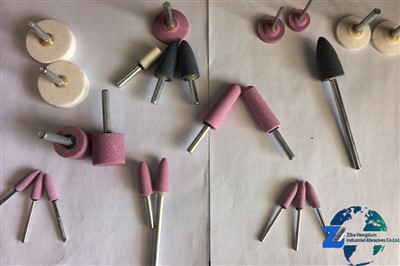
Changing the file system of a device while it is mounted to a mount point can have a range of consequences, from minor glitches to complete data loss. As a supplier of mounted points, I've seen firsthand the importance of understanding these implications, whether you're dealing with Mounted Points for Carbon Steel Polishing, Mounted Points for Wood Grinding and Polishing, or Mounted Points for Precision Casting Polishing. In this blog post, I'll delve into what happens when you attempt such a change and why it's crucial to approach this process with caution.
Understanding Mounted Points and File Systems
Before we explore the consequences of changing a file system while a device is mounted, let's briefly review what mounted points and file systems are. A mount point is a directory in the file system where an external storage device, such as a hard drive, USB flash drive, or SD card, is attached. File systems, on the other hand, are the structures that organize and manage data on these storage devices. Common file systems include FAT32, NTFS, ext4, and HFS+.
When a device is mounted to a mount point, the operating system can access and interact with the data stored on the device as if it were part of the local file system. This allows users to read, write, and modify files on the external device seamlessly.
The Risks of Changing the File System While Mounted
Changing the file system of a device while it is mounted to a mount point is generally not recommended and can lead to several issues:
Data Loss
One of the most significant risks is data loss. When you change the file system, the operating system may not be able to recognize the new file system immediately, leading to data corruption or loss. The existing data on the device is formatted according to the old file system, and changing it without proper precautions can render the data inaccessible.
For example, if you try to change a device from FAT32 to NTFS while it is mounted, the operating system may not be able to handle the transition gracefully. The data stored on the device may become fragmented or lost, and you may end up with a device that appears empty or contains only corrupted files.
System Instability
Changing the file system while a device is mounted can also cause system instability. The operating system relies on the file system to manage and access data, and any sudden changes can disrupt this process. This can lead to errors, crashes, or even a complete system shutdown.
For instance, if the operating system is in the middle of reading or writing data to the device when you change the file system, it may encounter errors and become unstable. This can result in data loss, system freezes, or other issues that can affect the overall performance of your system.
Incompatibility Issues
Another potential problem is compatibility issues. Different file systems have different features and limitations, and changing the file system of a device may not be compatible with the operating system or other software you are using.


For example, if you change a device from ext4 to NTFS, some Linux-based operating systems may not be able to access the device or may encounter errors when trying to read or write data. Similarly, if you change a device from FAT32 to exFAT, some older devices or software may not support the new file system.
Best Practices for Changing the File System
To avoid the risks associated with changing the file system while a device is mounted, it's important to follow these best practices:
Unmount the Device
Before changing the file system, make sure to unmount the device from the mount point. This ensures that the operating system is no longer accessing the device and reduces the risk of data loss or system instability.
To unmount a device in Linux, you can use the umount command followed by the mount point. For example, if your device is mounted at /mnt/usb, you can unmount it by running the following command:
umount /mnt/usb
In Windows, you can right-click on the device in File Explorer and select "Eject" to safely remove it from the system.
Backup Your Data
Before making any changes to the file system, it's always a good idea to backup your data. This ensures that you have a copy of your important files in case something goes wrong during the process.
You can backup your data to an external hard drive, cloud storage, or another device. Make sure to verify that the backup is complete and accessible before proceeding with the file system change.
Use the Right Tools
When changing the file system, it's important to use the right tools for the job. Different operating systems have different tools for formatting and changing file systems.
In Linux, you can use the mkfs command to create a new file system on a device. For example, to create an ext4 file system on a device, you can run the following command:
mkfs.ext4 /dev/sdb1
In Windows, you can use the Disk Management tool to format a device and change its file system. To access the Disk Management tool, right-click on the Start button and select "Disk Management".
Follow the Instructions
When using the tools to change the file system, make sure to follow the instructions carefully. Different file systems have different requirements and options, and it's important to choose the right settings for your needs.
For example, when formatting a device to NTFS in Windows, you can choose to enable features such as compression and encryption. Make sure to understand the implications of these options and choose the ones that are appropriate for your situation.
Conclusion
Changing the file system of a device while it is mounted to a mount point can have serious consequences, including data loss, system instability, and compatibility issues. As a supplier of mounted points, I understand the importance of handling data storage devices with care and following best practices to avoid these risks.
If you need to change the file system of a device, make sure to unmount the device, backup your data, use the right tools, and follow the instructions carefully. By taking these precautions, you can minimize the risk of data loss and ensure that your data is safe and accessible.
If you have any questions or need further assistance with mounted points or file system management, please don't hesitate to contact us. We're here to help you find the right solutions for your needs.
References
- "File System Basics." Linux Documentation Project.
- "Formatting a Disk in Windows." Microsoft Support.
- "How to Format a USB Drive in Linux." Linuxize.