A cutter grinding wheel is an indispensable tool in the manufacturing and metalworking industries, used for sharpening and shaping cutting tools with high precision. Over time, these wheels accumulate debris, metal particles, and abrasive dust, which can significantly impact their performance and lifespan. As a cutter grinding wheel supplier, I understand the importance of maintaining these wheels in optimal condition. In this blog, I will share the best ways to clean a cutter grinding wheel, ensuring its efficiency and longevity.
Why Cleaning is Crucial
Before delving into the cleaning methods, it's essential to understand why regular cleaning is so important. A dirty grinding wheel can lead to several issues. Firstly, the accumulated debris can cause uneven wear on the wheel surface, resulting in a loss of precision during the grinding process. This can lead to sub - standard cutting tools, which may not meet the required specifications. Secondly, a clogged wheel can generate excessive heat during operation. High temperatures can damage the abrasive grains on the wheel, reducing its cutting ability and potentially causing thermal damage to the workpiece. Finally, a clean wheel operates more smoothly, reducing vibration and noise, which not only improves the working environment but also extends the life of the grinding machine itself.
Pre - cleaning Preparation
Before starting the cleaning process, it's crucial to take some safety precautions. Always wear appropriate personal protective equipment (PPE), including safety glasses, gloves, and a dust mask. Make sure the grinding machine is turned off and unplugged to prevent any accidental start - up. Remove the grinding wheel from the machine carefully, following the manufacturer's instructions. Inspect the wheel for any visible cracks or damage. If the wheel is damaged, it should be replaced rather than cleaned.
Dry Cleaning Methods
Brushing
One of the simplest and most common dry cleaning methods is brushing. Use a stiff - bristled brush, preferably made of wire or nylon, to remove loose debris from the wheel surface. Start by gently brushing the entire surface of the wheel in a circular motion. Pay special attention to the pores and crevices where debris tends to accumulate. This method is effective for removing large particles and surface dust. However, it may not be sufficient for deeply embedded contaminants.
Compressed Air
Compressed air can be used to blow away fine dust and debris from the wheel. Connect a compressed air gun to an air compressor and set the pressure to a moderate level. Hold the gun at a slight angle and move it across the wheel surface, blowing away the dust. This method is particularly useful for reaching areas that are difficult to access with a brush. However, it should be used with caution as high - pressure air can cause the abrasive grains to dislodge from the wheel if not used properly.
Wet Cleaning Methods
Soaking in a Cleaning Solution
For more stubborn contaminants, soaking the grinding wheel in a cleaning solution can be an effective method. There are various cleaning solutions available on the market, including mild detergents, specialized grinding wheel cleaners, and solvent - based solutions. When choosing a cleaning solution, make sure it is compatible with the type of abrasive and bonding material used in the wheel.
Fill a container large enough to fully submerge the wheel with the cleaning solution. Place the wheel in the container and let it soak for the recommended time, usually between 15 minutes to a few hours depending on the severity of the contamination. After soaking, use a soft brush to gently scrub the wheel surface to remove any remaining debris. Rinse the wheel thoroughly with clean water to remove the cleaning solution.
Ultrasonic Cleaning
Ultrasonic cleaning is a highly effective method for deep - cleaning cutter grinding wheels. An ultrasonic cleaner uses high - frequency sound waves to create tiny bubbles in a cleaning solution. These bubbles implode when they come into contact with the wheel surface, creating a powerful scrubbing action that can remove even the most stubborn contaminants.
Fill the ultrasonic cleaner with an appropriate cleaning solution and place the wheel inside. Set the cleaner to the recommended time and frequency settings. The cleaning process usually takes between 10 to 30 minutes. After cleaning, remove the wheel from the cleaner and rinse it thoroughly with clean water.
Post - cleaning Care
After cleaning the grinding wheel, it's important to dry it thoroughly before reinstalling it on the machine. Use a clean, dry cloth to wipe off any excess water. You can also let the wheel air - dry in a well - ventilated area for a few hours. Once the wheel is completely dry, inspect it again for any remaining debris or damage.
Before reinstalling the wheel, make sure the mounting surface on the grinding machine is clean and free of debris. Follow the manufacturer's instructions to install the wheel correctly and securely. Tighten the mounting nut to the recommended torque to prevent the wheel from coming loose during operation.
Choosing the Right Cleaning Method
The choice of cleaning method depends on several factors, including the type of contaminants, the type of grinding wheel, and the level of contamination. For light contamination, dry cleaning methods such as brushing and compressed air may be sufficient. For more stubborn contaminants, wet cleaning methods like soaking in a cleaning solution or ultrasonic cleaning may be required.
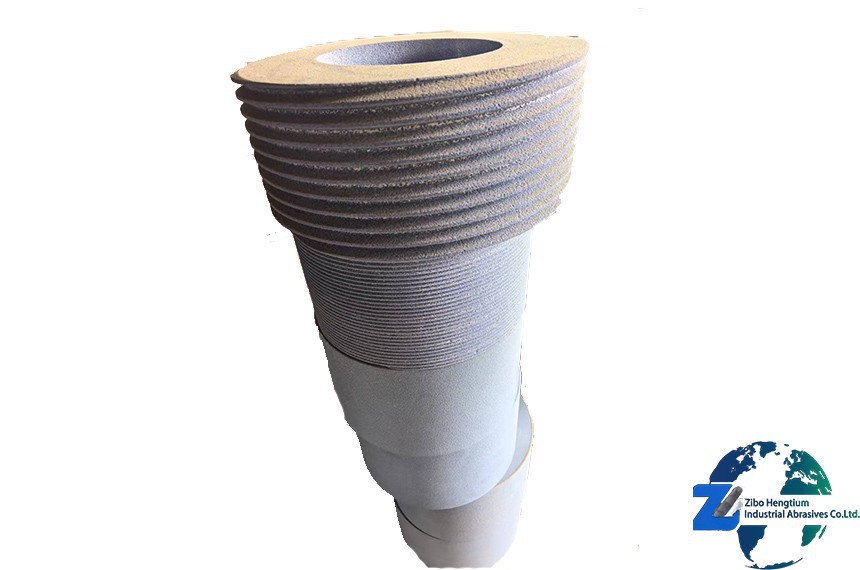
As a cutter grinding wheel supplier, we offer a wide range of high - quality grinding wheels, including High - Precision Gear Grinding Wheel, Cylindrical and Surface Grinding Wheels, and Worm Grinding Wheel. Our wheels are designed to provide excellent performance and durability. However, proper maintenance, including regular cleaning, is essential to ensure their optimal performance.
Contact for Purchase and Consultation
If you are in the market for high - quality cutter grinding wheels or need further advice on wheel cleaning and maintenance, we are here to help. Our team of experts can provide you with detailed information about our products and assist you in choosing the right wheel for your specific needs. Contact us today to start a discussion about your requirements and explore the possibilities of working together.

References
- American National Standards Institute (ANSI). (2018). Safety requirements for the use, care, and protection of abrasive wheels.
- Grinding Wheel Manufacturer's Association. (2020). Best practices for grinding wheel maintenance.
- Machinery's Handbook (31st Edition). Industrial Press, Inc.