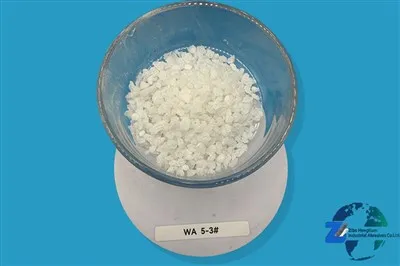
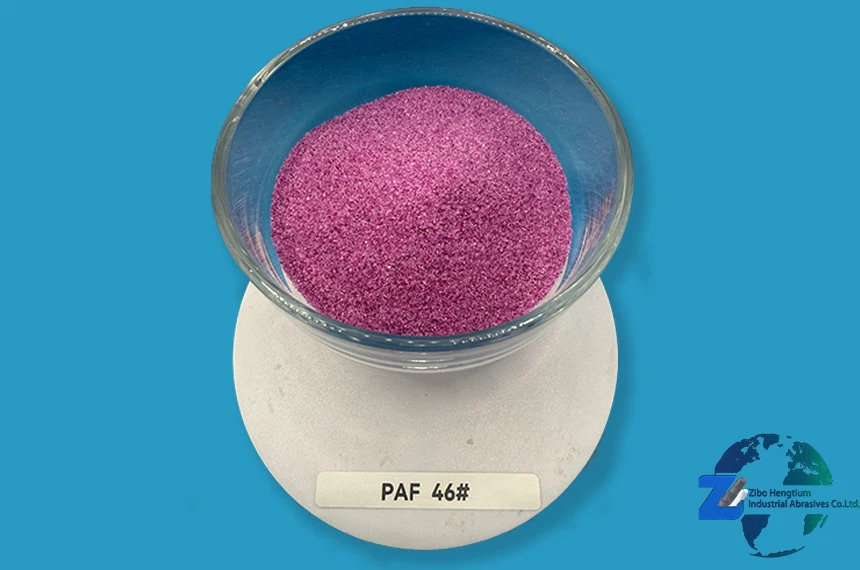
Hey there! As a supplier of white corundum, I often get asked about the price range of this versatile material. In this blog, I'll break down the factors that influence the price of white corundum and give you a ballpark figure of what you can expect to pay.
First off, let's talk about what white corundum is. It's a high - grade abrasive material made from alumina powder through an electric arc furnace melting process. It has excellent hardness, high purity, and good chemical stability, which makes it suitable for a wide range of applications, including abrasives, refractories, and other industrial uses.
Factors Affecting the Price of White Corundum
Purity
One of the most significant factors that affect the price of white corundum is its purity. Higher - purity white corundum contains fewer impurities and has better physical and chemical properties. Generally, the purer the white corundum, the more expensive it is. For example, white corundum with an alumina content of 99% or higher is often used in high - end applications like precision grinding and aerospace components, and it commands a premium price compared to lower - purity grades.
Granularity
The granularity or particle size of white corundum also plays a role in determining its price. Finer - grained white corundum requires more precise processing and classification, which increases the production cost. Coarse - grained white corundum is typically used for applications like sandblasting, where a less precise particle size is acceptable. So, if you need a very fine - grained white corundum for a specific application, you can expect to pay more.
Quantity
As with most products, the quantity you purchase can have a big impact on the price. Buying white corundum in bulk usually allows you to get a lower unit price. Manufacturers often offer volume discounts to encourage large - scale purchases. If you're a small - scale user, you might end up paying more per unit compared to a large industrial buyer.
Market Conditions
The overall market conditions, including supply and demand, also affect the price of white corundum. If there's a high demand for white corundum in industries such as automotive manufacturing or electronics, and the supply is limited, the price is likely to go up. On the other hand, if there's an oversupply in the market, prices may drop. Additionally, factors like raw material costs, energy prices, and transportation costs can all influence the final price of white corundum.
Price Range
Now, let's get to the price range. It's important to note that the prices can vary widely depending on the factors mentioned above.
For lower - purity (around 95% - 97% alumina content) and coarser - grained white corundum, you can expect to pay anywhere from $500 to $1000 per ton. This type of white corundum is commonly used in applications like general - purpose abrasives and some low - end refractory products.
If you're looking for medium - purity (97% - 99% alumina content) and medium - grained white corundum, the price range is typically between $1000 and $2000 per ton. This grade is suitable for a wide range of applications, including grinding wheels, coated abrasives, and some industrial refractory linings.
High - purity (99% or higher alumina content) and fine - grained white corundum can cost upwards of $2000 per ton. This high - end white corundum is used in specialized applications such as semiconductor manufacturing, optical lens grinding, and high - performance refractory materials.
Applications and Their Impact on Price
White Corundum for Abrasives
When used in abrasives, the price can be influenced by the required quality for the specific abrasive application. For example, in White Corundum for Abrasives, if you need a very sharp and long - lasting abrasive for precision grinding of hard metals, you'll need a high - quality white corundum, which will be on the higher end of the price spectrum. On the other hand, for general - purpose sanding or abrasive blasting, a lower - cost white corundum may suffice.
White Corundum for Refractory
In the refractory industry, the price is related to the temperature resistance and chemical stability required. White Corundum for Refractory used in high - temperature furnaces or in contact with corrosive materials needs to be of high quality, and thus, it's more expensive. Lower - grade white corundum can be used in less demanding refractory applications, where the price is more affordable.
White Corundum for Other Applications
There are also other applications for white corundum, such as in the production of ceramics, paints, and polishing compounds. In White Corundum for Other Applications, the price will depend on the specific requirements of each application. For example, in the cosmetics industry, where white corundum is used as a gentle exfoliant, a very fine - grained and pure grade is needed, which can be relatively costly.
Conclusion
So, as you can see, the price range of white corundum is quite broad, and it depends on multiple factors. Whether you're a small business looking for a cost - effective solution for a simple abrasive task or a large industrial company in need of high - quality white corundum for a critical application, there's a grade and price point that can meet your needs.
If you're interested in purchasing white corundum and want to discuss the best option for your specific requirements, feel free to reach out. We can provide you with detailed product information, samples, and competitive pricing. Let's work together to find the perfect white corundum solution for your business!


References
- Industry reports on abrasive materials
- Market research on white corundum production and consumption