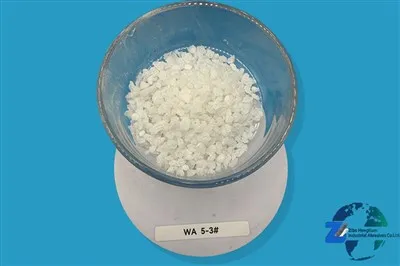
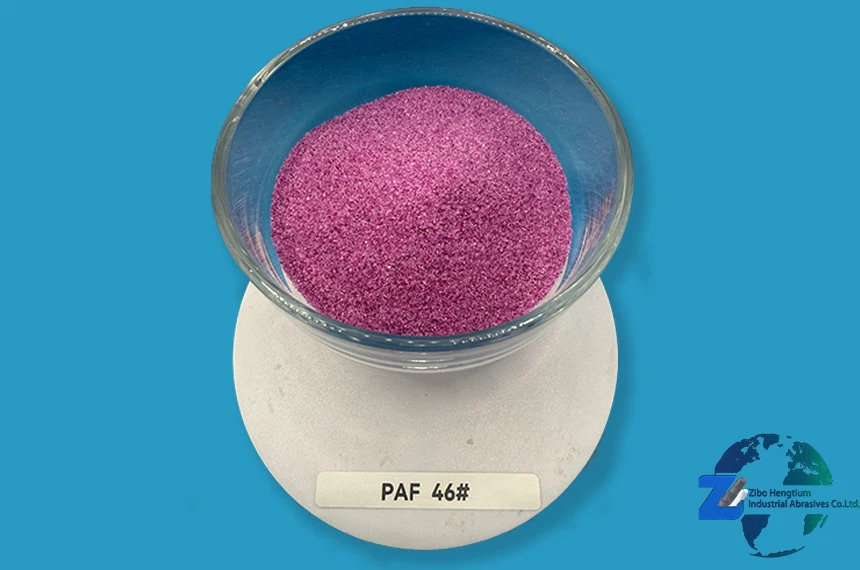
Brown corundum, a widely used abrasive material, is known for its hardness, toughness, and excellent grinding performance. As a leading supplier of brown corundum for abrasives, I often receive inquiries about its potential applications in various industries. One common question is whether brown corundum for abrasives can be used for ceramic grinding. In this blog post, I will explore this topic in detail and provide insights based on my experience in the industry.


Properties of Brown Corundum
Before delving into its suitability for ceramic grinding, it's essential to understand the properties of brown corundum. Brown corundum is an artificial abrasive made by fusing bauxite, anthracite, and iron filings in an electric arc furnace. The resulting material is a hard, dense, and angular crystalline structure composed mainly of aluminum oxide (Al₂O₃) with a purity typically ranging from 94% to 97%.
The key properties of brown corundum that make it an excellent abrasive include:
- Hardness: Brown corundum has a Mohs hardness of 9, which is second only to diamond. This high hardness allows it to effectively cut and grind a wide range of materials, including ceramics.
- Toughness: It has good toughness, which means it can withstand the impact and pressure during the grinding process without breaking or fracturing easily. This property is crucial for maintaining a consistent grinding performance and reducing the risk of damage to the workpiece.
- Self - sharpening: As the abrasive grains wear during grinding, they break down into smaller, sharp particles, exposing new cutting edges. This self - sharpening characteristic ensures continuous cutting action and efficient material removal.
- Chemical stability: Brown corundum is chemically stable and resistant to corrosion, making it suitable for use in various environments and with different types of coolants and lubricants.
Ceramic Grinding Requirements
Ceramics are a diverse group of materials known for their high hardness, brittleness, and low thermal conductivity. Grinding ceramics requires an abrasive that can achieve a high material removal rate while minimizing the risk of cracking, chipping, or surface damage. The ideal abrasive for ceramic grinding should have the following characteristics:
- High hardness: To effectively cut through the hard ceramic material, the abrasive must be harder than the ceramic itself.
- Good grain shape and size distribution: The abrasive grains should have a sharp and angular shape to provide efficient cutting action. A proper grain size distribution is also important to ensure a consistent surface finish.
- Controlled friability: The abrasive should have a controlled level of friability, which means it can break down at an appropriate rate to expose new cutting edges without excessive wear or fragmentation.
- Low heat generation: Since ceramics have low thermal conductivity, excessive heat generated during grinding can cause thermal stress and cracking. An abrasive that generates less heat is preferred.
Can Brown Corundum be Used for Ceramic Grinding?
Based on its properties, brown corundum is well - suited for ceramic grinding. Its high hardness allows it to cut through the hard ceramic material effectively, while its toughness and self - sharpening ability ensure a consistent grinding performance. Additionally, its chemical stability makes it compatible with the coolants and lubricants commonly used in ceramic grinding operations.
However, there are some factors to consider when using brown corundum for ceramic grinding:
- Grain size selection: The choice of grain size depends on the specific ceramic material, the desired surface finish, and the grinding operation. Coarser grain sizes are typically used for rough grinding to achieve a high material removal rate, while finer grain sizes are used for finishing operations to obtain a smooth surface finish.
- Bonding system: The bonding system used to hold the abrasive grains together in the grinding wheel or tool also plays a crucial role. For ceramic grinding, a suitable bonding system should be selected to ensure proper retention of the abrasive grains and prevent excessive wear or breakage.
- Grinding parameters: Proper grinding parameters, such as grinding speed, feed rate, and depth of cut, need to be carefully controlled to avoid overheating and damage to the ceramic workpiece.
Applications of Brown Corundum in Ceramic Grinding
Brown corundum is used in a variety of ceramic grinding applications, including:
- Structural ceramics: These are ceramics used in engineering applications, such as cutting tools, bearings, and armor. Brown corundum can be used to grind these ceramics to the required shape and dimensions with high precision.
- Electrical ceramics: Ceramics used in electrical and electronic applications, such as insulators and capacitors, often require precise grinding to achieve the desired electrical properties. Brown corundum abrasives can be used to achieve a smooth and accurate surface finish.
- Decorative ceramics: For decorative ceramics, such as tiles and pottery, brown corundum can be used for shaping, smoothing, and polishing to enhance the aesthetic appearance of the final product.
Other Applications of Brown Corundum
In addition to ceramic grinding, brown corundum has a wide range of other applications. You can learn more about Brown Corundum for Water Treatment, which is used in water filtration systems to remove impurities and contaminants. It is also used in Brown Corundum for Other Applications, such as sandblasting, refractory materials, and abrasive blasting media. Moreover, in the medical field, Brown Corundum for Medical Industry is used for dental and orthopedic applications.
Contact for Procurement
If you are interested in using brown corundum for your ceramic grinding needs or other applications, I encourage you to reach out to me. As a reliable supplier of brown corundum for abrasives, I can provide you with high - quality products, technical support, and customized solutions to meet your specific requirements. Whether you need a small quantity for testing or a large - scale supply for your production line, I am here to assist you.
References
- "Abrasive Technology Handbook" by R. K. Jain
- "Ceramic Materials: Science and Engineering" by W. D. Kingery, H. K. Bowen, and D. R. Uhlmann
- Industry research reports on abrasive materials and ceramic processing