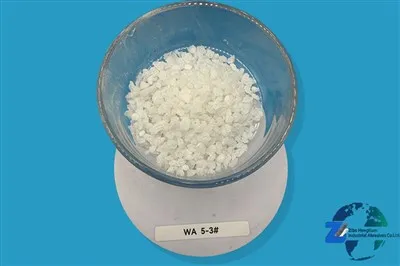
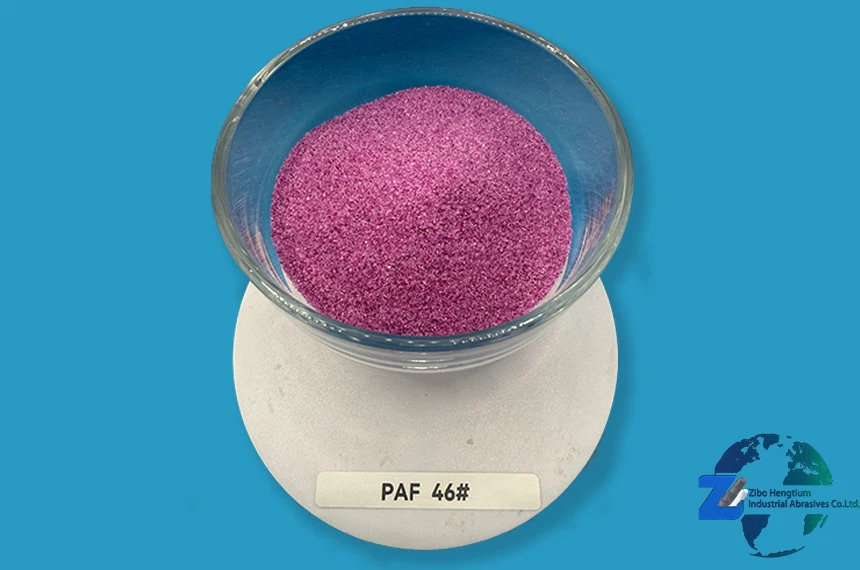
Chrome corundum, known for its excellent hardness, toughness, and heat resistance, has long been a popular choice in the cutting tool industry. As a supplier of Chrome Corundum for Cutting, I often receive inquiries about its suitability for cutting non - ferrous metals. In this blog, I will explore whether Chrome Corundum for Cutting can indeed be used for cutting non - ferrous metals, analyzing its properties, advantages, and limitations in such applications.
Properties of Chrome Corundum for Cutting
Chrome corundum is an aluminum oxide abrasive with a certain amount of chromium oxide added. This addition gives it several unique properties that make it suitable for cutting operations. Firstly, it has a high hardness, typically around 9 on the Mohs scale. This hardness allows it to maintain its cutting edge even when subjected to high pressures and friction during the cutting process. Secondly, it has good toughness, which means it can withstand the impact forces generated during cutting without breaking or chipping easily. Thirdly, chrome corundum has excellent heat resistance. During cutting, a large amount of heat is generated due to friction between the cutting tool and the workpiece. The heat resistance of chrome corundum ensures that it does not lose its hardness and cutting ability at high temperatures.
Suitability for Cutting Non - Ferrous Metals
Non - ferrous metals include a wide range of materials such as aluminum, copper, brass, and titanium. Each of these metals has its own unique properties, which affect the cutting process.
Aluminum
Aluminum is a soft and ductile metal. When cutting aluminum, the main challenges are preventing built - up edge formation and achieving a smooth surface finish. Chrome corundum's hardness and heat resistance make it suitable for cutting aluminum. The high hardness allows it to cut through the aluminum easily, while the heat resistance helps to dissipate the heat generated during cutting, reducing the risk of built - up edge. Additionally, the sharp cutting edges of chrome corundum can produce a relatively smooth surface finish on aluminum workpieces.
Copper and Brass
Copper and brass are also relatively soft metals, but they have higher thermal conductivity compared to aluminum. This means that heat is dissipated more quickly during cutting. Chrome corundum's heat resistance is still an advantage in this case, as it can maintain its cutting performance even when the heat is rapidly transferred away. Moreover, the toughness of chrome corundum helps to prevent chipping when cutting these metals, ensuring a consistent cutting quality.
Titanium
Titanium is a much more difficult metal to cut compared to aluminum, copper, and brass. It has high strength, low thermal conductivity, and a tendency to react with cutting tools at high temperatures. While chrome corundum has good hardness and heat resistance, cutting titanium can still be a challenge. The high strength of titanium requires a very hard and tough cutting tool, and the low thermal conductivity can cause heat to build up in the cutting zone. However, with proper cutting parameters and tool design, chrome corundum can be used for cutting titanium to some extent. For example, using a lower cutting speed and higher feed rate can help to reduce the heat generation and improve the cutting performance.


Advantages of Using Chrome Corundum for Cutting Non - Ferrous Metals
- Cost - effectiveness: Chrome corundum is generally more affordable compared to some other high - performance cutting tool materials such as cubic boron nitride (CBN) or diamond. This makes it a cost - effective option for cutting non - ferrous metals, especially for small - to - medium - scale manufacturing operations.
- Versatility: Chrome corundum can be used for a variety of cutting operations, including turning, milling, and drilling. This versatility allows manufacturers to use a single type of cutting tool for different non - ferrous metal cutting tasks, reducing the need for multiple tool types.
- Good Surface Finish: As mentioned earlier, the sharp cutting edges of chrome corundum can produce a smooth surface finish on non - ferrous metal workpieces. This is important for applications where a high - quality surface finish is required, such as in the aerospace and automotive industries.
Limitations
- Wear Rate: When cutting some non - ferrous metals, especially those with high hardness or abrasive particles, the wear rate of chrome corundum can be relatively high. This means that the cutting tool may need to be replaced more frequently, increasing the overall cost of production.
- Chemical Reactivity: In some cases, chrome corundum may react chemically with certain non - ferrous metals at high temperatures. This can lead to tool wear and a decrease in cutting performance. For example, when cutting titanium, the chemical reaction between chrome corundum and titanium can cause the tool to wear more quickly.
Other Applications of Chrome Corundum
Apart from cutting non - ferrous metals, chrome corundum has other important applications. You can learn more about them through the following links:
- Chrome Corundum for Grindings: Chrome corundum is widely used in grinding applications due to its hardness and self - sharpening properties. It can be used to grind various materials, including metals, ceramics, and composites.
- Chrome Corundum for Polishing: In polishing operations, chrome corundum can be used to achieve a high - quality surface finish on workpieces. Its fine particles can remove small surface irregularities and produce a smooth and shiny surface.
- Chrome Corundum for Special Material Processing: Chrome corundum can also be used for processing special materials that require high - performance abrasives.
Conclusion
In conclusion, Chrome Corundum for Cutting can be used for cutting non - ferrous metals. Its hardness, toughness, and heat resistance make it suitable for a variety of non - ferrous metal cutting applications, including aluminum, copper, brass, and to some extent, titanium. However, it also has some limitations, such as a relatively high wear rate and potential chemical reactivity. When considering using chrome corundum for cutting non - ferrous metals, manufacturers should carefully evaluate the specific requirements of their cutting operations, including the type of non - ferrous metal, the desired surface finish, and the production volume.
If you are interested in our Chrome Corundum for Cutting products or have any questions about its applications, please feel free to contact us for further discussion and procurement negotiation. We are committed to providing high - quality products and professional technical support to meet your needs.
References
- "Abrasive Machining Technology" by R. Komanduri.
- "Cutting Tool Materials and Their Application" by J. A. Schey.
- "Handbook of Non - Ferrous Metalworking" by various authors.