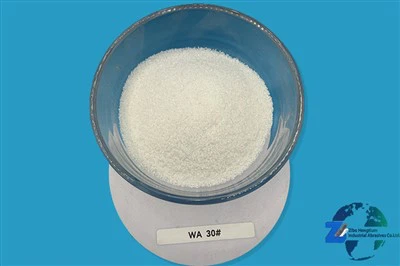
Hey there! As a supplier of Chrome Corundum for Polishing, I often get asked if our product can be used on gemstones. Well, let's dive right into this topic and find out!
First off, let's understand what chrome corundum is. Chrome corundum is a type of abrasive material. It's made by adding chromium oxide to aluminum oxide during the manufacturing process. This addition gives chrome corundum some unique properties that make it great for various applications.


When it comes to polishing, chrome corundum is known for its hardness and sharpness. These qualities allow it to effectively remove small imperfections on surfaces, leaving them smooth and shiny. But can these same qualities make it suitable for gemstones?
Gemstones are a whole different ballgame. They come in a wide variety of hardness levels, from the relatively soft ones like opal to the extremely hard diamonds. The Mohs scale is a handy tool that measures the hardness of minerals. Diamonds, for example, are at the top of the scale with a rating of 10, while talc is at the bottom with a rating of 1.
For softer gemstones, using chrome corundum for polishing might not be the best idea. The hardness of chrome corundum could potentially scratch or damage these delicate stones. For instance, if you were to use it on an opal, which has a Mohs hardness of around 5.5 - 6.5, there's a high risk of causing irreversible harm. The sharp edges of the chrome corundum particles could dig into the surface of the opal, leaving unsightly marks.
On the other hand, for harder gemstones, chrome corundum can be a viable option. Gemstones like sapphires and rubies, which are also forms of corundum (just without the chromium oxide in their natural state), have a Mohs hardness of 9. They can withstand the abrasive action of chrome corundum without getting scratched easily. When used correctly, chrome corundum can bring out the luster and brilliance of these hard gemstones, enhancing their beauty.
Another factor to consider is the grit size of the chrome corundum. Grit size refers to the size of the abrasive particles. A coarser grit is used for initial grinding and shaping, while a finer grit is used for the final polishing. For gemstone polishing, you'll want to start with a relatively coarse grit to remove any rough spots or blemishes, and then gradually move to finer grits to achieve a mirror - like finish.
If you're working with a gemstone that has inclusions or fractures, extra caution is needed. The abrasive action of chrome corundum could potentially widen these inclusions or cause new fractures, especially if too much pressure is applied. It's always a good idea to test a small, inconspicuous area of the gemstone first to see how it reacts to the chrome corundum.
Now, let's talk about the different types of chrome corundum products we offer. Besides Chrome Corundum for Polishing, we also have Chrome Corundum for Grindings and Chrome Corundum for Coating. The grinding grade is coarser and is mainly used for shaping and removing large amounts of material. It's not typically used for the final polishing of gemstones but can be useful in the early stages of gemstone processing.
The coating grade of chrome corundum is used to create abrasive coatings on various tools. These coated tools can be used for more precise and controlled polishing. However, when using coated tools on gemstones, you still need to be careful about the pressure and speed to avoid over - polishing or damaging the stone.
In the gemstone industry, there are other traditional polishing materials like diamond powder. Diamond is the hardest material on the Mohs scale, and it's often used for polishing even the hardest gemstones. But chrome corundum has its advantages. It's more cost - effective than diamond powder, and for many hard gemstones, it can produce a comparable finish.
When using chrome corundum for gemstone polishing, it's important to have the right equipment. A polishing wheel or a lap is commonly used. The chrome corundum can be applied to the wheel or lap in the form of a paste or slurry. You'll also need to control the speed of the wheel and the pressure you apply to the gemstone. Too much speed or pressure can lead to uneven polishing or damage to the stone.
Proper safety measures should also be taken when working with chrome corundum. Wear protective goggles to prevent any particles from getting into your eyes, and a dust mask to avoid inhaling the fine particles.
In conclusion, chrome corundum can be used on gemstones, but it depends on the type of gemstone and how it's used. For hard gemstones, it can be a great choice for achieving a beautiful polish. However, for softer gemstones, it's best to look for alternative, less abrasive polishing materials.
If you're in the gemstone processing business or a hobbyist looking for high - quality chrome corundum for your polishing needs, we're here to help. We offer a wide range of chrome corundum products with different grit sizes to suit your specific requirements. Whether you're just starting out or have years of experience in gemstone polishing, our products can make your job easier and more efficient.
If you're interested in learning more about our Chrome Corundum for Polishing or other related products, feel free to reach out. We're always happy to have a chat and discuss how our products can meet your needs. Let's start a conversation and see how we can work together to achieve the best results in gemstone polishing.
References
- Handbook of Gemstone Polishing Techniques
- The Science of Abrasive Materials in Gemstone Processing