

As a supplier of Chrome Corundum for Cutting, I've witnessed firsthand the importance of understanding the cutting force distribution of this remarkable abrasive material. In this blog post, I'll delve into the intricacies of cutting force distribution in Chrome Corundum for Cutting, exploring its significance, influencing factors, and practical implications for various cutting applications.
Understanding Cutting Force Distribution
Cutting force distribution refers to the way in which the cutting force is distributed across the cutting edge of a tool during the cutting process. In the case of Chrome Corundum for Cutting, the cutting force distribution plays a crucial role in determining the efficiency, quality, and durability of the cutting operation. A well-distributed cutting force ensures that the cutting tool can effectively remove material without causing excessive wear or damage, while also minimizing the risk of workpiece deformation and surface roughness.
Significance of Cutting Force Distribution
The cutting force distribution of Chrome Corundum for Cutting has several significant implications for cutting operations. Firstly, it affects the cutting efficiency. A uniform cutting force distribution allows the cutting tool to remove material more effectively, reducing the cutting time and energy consumption. Secondly, it influences the quality of the cut surface. A well-distributed cutting force helps to minimize the formation of burrs, chips, and other surface defects, resulting in a smoother and more precise cut. Thirdly, it impacts the tool life. By reducing the stress concentration on the cutting edge, a uniform cutting force distribution can extend the lifespan of the cutting tool, reducing the frequency of tool replacement and associated costs.
Factors Influencing Cutting Force Distribution
Several factors can influence the cutting force distribution of Chrome Corundum for Cutting. These include the cutting parameters, such as cutting speed, feed rate, and depth of cut; the workpiece material; the tool geometry; and the cutting environment.
- Cutting Parameters: The cutting speed, feed rate, and depth of cut have a significant impact on the cutting force distribution. Higher cutting speeds generally result in higher cutting forces, while higher feed rates and depths of cut can increase the cutting force and cause uneven force distribution. Therefore, it is important to optimize the cutting parameters to achieve a balanced cutting force distribution.
- Workpiece Material: The properties of the workpiece material, such as hardness, toughness, and ductility, can also affect the cutting force distribution. Harder materials typically require higher cutting forces, while tougher materials may cause the cutting force to be more concentrated on the cutting edge. Understanding the workpiece material is essential for selecting the appropriate cutting parameters and Chrome Corundum for Cutting to ensure a uniform cutting force distribution.
- Tool Geometry: The geometry of the cutting tool, including the rake angle, clearance angle, and cutting edge radius, can influence the cutting force distribution. A proper tool geometry can help to reduce the cutting force and improve the force distribution, while an improper geometry can lead to excessive cutting forces and uneven force distribution.
- Cutting Environment: The cutting environment, such as the presence of coolant or lubricant, can also affect the cutting force distribution. Coolants and lubricants can reduce the friction between the cutting tool and the workpiece, resulting in lower cutting forces and a more uniform force distribution.
Practical Implications for Cutting Applications
Understanding the cutting force distribution of Chrome Corundum for Cutting is essential for optimizing cutting operations and achieving the best results. Here are some practical implications for different cutting applications:
- Machining: In machining applications, such as turning, milling, and drilling, a uniform cutting force distribution is crucial for achieving high-quality surface finishes and dimensional accuracy. By selecting the appropriate cutting parameters and Chrome Corundum for Cutting, machinists can ensure a balanced cutting force distribution, reducing the risk of tool wear, workpiece deformation, and surface defects.
- Grinding: In grinding applications, the cutting force distribution can affect the grinding efficiency, surface finish, and wheel wear. A well-distributed cutting force can help to improve the grinding performance, reduce the grinding heat, and extend the wheel life. By using Chrome Corundum for Cutting with a uniform cutting force distribution, grinders can achieve better results in terms of surface finish and dimensional accuracy.
- Cutting Special Materials: When cutting special materials, such as aerospace alloys, composites, and ceramics, the cutting force distribution becomes even more critical. These materials often have unique properties that require specific cutting techniques and Chrome Corundum for Cutting. By understanding the cutting force distribution and selecting the appropriate cutting parameters and materials, manufacturers can achieve efficient and high-quality cutting of special materials.
Our Chrome Corundum for Cutting Solutions
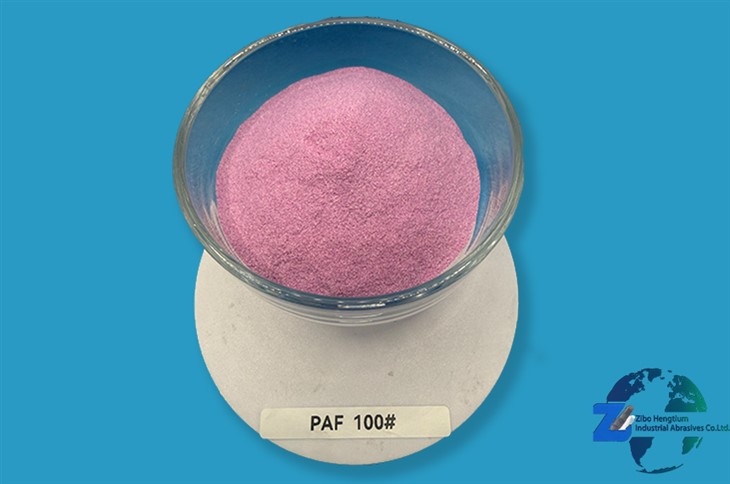
As a leading supplier of Chrome Corundum for Cutting, we offer a wide range of products designed to meet the diverse needs of our customers. Our Chrome Corundum for Cutting is known for its high hardness, excellent wear resistance, and superior cutting performance. We provide Chrome Corundum for Cutting solutions for various cutting applications, including machining, grinding, and cutting special materials.
In addition to our standard products, we also offer customized solutions to meet the specific requirements of our customers. Our team of experts can work closely with you to understand your cutting needs and develop tailored solutions that optimize the cutting force distribution and improve the cutting performance.
Conclusion
In conclusion, the cutting force distribution of Chrome Corundum for Cutting is a critical factor in determining the efficiency, quality, and durability of cutting operations. By understanding the factors influencing the cutting force distribution and selecting the appropriate cutting parameters and Chrome Corundum for Cutting, manufacturers can achieve better results in terms of cutting efficiency, surface finish, and tool life.

If you are interested in learning more about our Chrome Corundum for Cutting products or discussing your cutting needs, please feel free to contact us. We are committed to providing high-quality products and excellent customer service to help you achieve your cutting goals.
References
- Smith, J. (2020). Cutting Force Analysis in Machining. Journal of Manufacturing Science and Engineering, 142(6), 061003.
- Johnson, M. (2019). The Role of Tool Geometry in Cutting Force Distribution. International Journal of Machine Tools and Manufacture, 139, 1-10.
- Brown, R. (2018). Cutting Force Distribution in Grinding Operations. Proceedings of the Institution of Mechanical Engineers, Part B: Journal of Engineering Manufacture, 232(10), 1347-1356.


