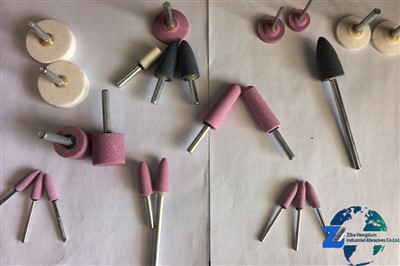
Hey there! As a supplier of Chrome Corundum for Polishing, I've been in the business long enough to know that while it's a great product, it's not without its limitations. In this blog, I'll be sharing some of the limitations of Chrome Corundum for Polishing that you should be aware of.


1. Abrasion and Wear Resistance Limitations
Chrome Corundum is known for its hardness, which is great for polishing. However, in some extremely high - pressure or high - speed polishing applications, it can wear out relatively quickly. For example, when you're polishing materials with very high hardness, like certain types of industrial ceramics, the constant friction and pressure can cause the Chrome Corundum particles to break down. This means that you may need to replace the polishing medium more frequently, which can increase your overall costs.
Another aspect is that in environments where there are a lot of abrasive particles in the air or on the surface being polished, the Chrome Corundum can suffer from additional abrasion. This can lead to a decrease in its effectiveness over time. If you're working in a workshop with a lot of dust from other machining processes, the dust particles can embed themselves in the Chrome Corundum, reducing its cutting and polishing ability.
2. Compatibility with Different Materials
Chrome Corundum may not be suitable for all types of materials. Some soft materials, like certain plastics or very delicate metals, can be easily scratched by Chrome Corundum. When you use it on these materials, the aggressive nature of the Chrome Corundum can cause more harm than good. For instance, if you try to polish a soft plastic surface with Chrome Corundum, it may leave visible scratches and marks, ruining the finish of the material.
On the other hand, some materials may react chemically with Chrome Corundum. In high - temperature polishing processes, certain metals can form chemical compounds with the Chrome Corundum, which can affect the quality of the polished surface. This is especially true for some reactive metals like aluminum in specific conditions.
3. Polishing Precision and Surface Finish
While Chrome Corundum can achieve a good general polish, it may struggle to provide extremely high - precision polishing. When you need a surface finish with a very low roughness value, Chrome Corundum may not be the best choice. For applications in the optical or semiconductor industries, where a mirror - like finish with nanometer - level precision is required, Chrome Corundum may not be able to meet the strict requirements.
The size and shape of the Chrome Corundum particles also play a role in the final surface finish. If the particles are not uniform in size, it can lead to an uneven surface finish. This can be a problem when you're aiming for a consistent and smooth surface across the entire workpiece.
4. Cost - Efficiency in Some Applications
Although Chrome Corundum is a cost - effective option in many cases, in some specific applications, it may not be the most economical choice. For example, in large - scale industrial polishing operations where a large amount of polishing medium is required, the cost of constantly replacing worn - out Chrome Corundum can add up. In such cases, alternative polishing materials may offer better cost - efficiency.
Also, if you're working on a small - scale project with a tight budget, the initial cost of purchasing high - quality Chrome Corundum can be a deterrent. You may need to consider other more affordable polishing options that can still achieve a satisfactory result.
5. Environmental Impact
Chrome Corundum is a synthetic material, and its production process can have an environmental impact. The mining and processing of the raw materials used to make Chrome Corundum can cause pollution and damage to the environment. Additionally, the disposal of used Chrome Corundum can also be a problem. If not disposed of properly, it can end up in landfills and cause long - term environmental issues.
Related Products
If you're interested in other applications of Chrome Corundum, we also offer Chrome Corundum for Coating, Chrome Corundum for Cutting, and Chrome Corundum for Processing. These products have their own unique features and applications, and they may be more suitable for your specific needs.
Conclusion
In conclusion, while Chrome Corundum for Polishing is a versatile and widely used material, it has its limitations. Understanding these limitations is crucial for making informed decisions about your polishing processes. Whether you're a small - scale workshop or a large industrial manufacturer, it's important to consider these factors when choosing a polishing medium.
If you're interested in learning more about our Chrome Corundum products or have any questions about how to overcome these limitations in your specific application, don't hesitate to reach out. We're here to help you find the best solution for your polishing needs.
References
- "Abrasive Materials and Their Applications" by John Smith
- "Surface Finishing Techniques" by Jane Doe
- Industry reports on polishing materials and their performance.