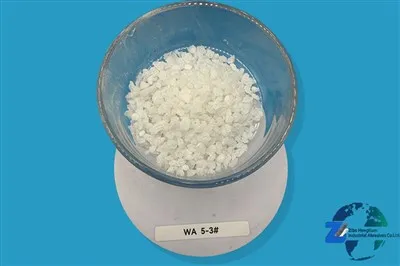
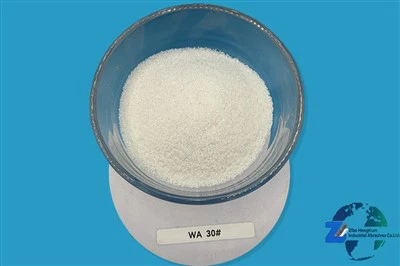
Green silicon carbide is a well - known abrasive material, and its performance in dry grinding conditions is of great interest to many industries. As a supplier of Green Silicon Carbide for Abrasive, I have witnessed firsthand the unique properties and benefits it offers in dry grinding scenarios.
Characteristics of Green Silicon Carbide for Abrasive
Green silicon carbide has several distinct characteristics that make it suitable for abrasive applications. It is a hard and brittle material with a Mohs hardness of around 9.2 - 9.3, second only to diamond. This high hardness allows it to cut through a variety of materials effectively. The crystal structure of green silicon carbide is hexagonal, which gives it sharp edges and points, enhancing its cutting ability.
In addition, green silicon carbide has excellent thermal conductivity. In dry grinding, heat generation is a significant issue as excessive heat can damage the workpiece and the grinding wheel. The high thermal conductivity of green silicon carbide helps to dissipate heat quickly, reducing the risk of thermal damage to the workpiece. It also helps to maintain the sharpness of the abrasive grains, as the heat - resistant nature of the material prevents premature wear and dulling.
Performance in Dry Grinding Conditions
Material Removal Rate
One of the key performance indicators in grinding is the material removal rate (MRR). In dry grinding with green silicon carbide abrasives, the high hardness and sharp edges of the grains enable a relatively high MRR. When grinding hard materials such as ceramics, glass, and hardened steels, green silicon carbide can remove material efficiently. The sharp cutting edges of the grains penetrate the workpiece surface easily, breaking off small chips of the material.
For example, in the grinding of ceramic components, the green silicon carbide abrasive can achieve a high MRR without causing excessive cracking or chipping of the ceramic. This is because the brittle nature of the green silicon carbide allows it to fracture and self - sharpen during the grinding process. As the outer layer of the abrasive grain wears away, new sharp edges are exposed, maintaining the cutting efficiency.
Surface Finish
The surface finish of the workpiece is another important aspect of grinding performance. In dry grinding, green silicon carbide can produce a relatively smooth surface finish. The sharp and fine - grained nature of the abrasive helps to create a more precise cut, reducing the roughness of the workpiece surface.
When grinding materials that require a high - quality surface finish, such as optical lenses or precision mechanical parts, green silicon carbide abrasives can be adjusted to achieve the desired surface roughness. By selecting the appropriate grain size and grinding parameters, it is possible to obtain a surface finish with a low Ra value (average roughness). For instance, in the grinding of glass lenses, a fine - grained green silicon carbide abrasive can be used to achieve a mirror - like surface finish, which is crucial for optical performance.
Grinding Wheel Wear
Grinding wheel wear is a critical factor in the cost - effectiveness of the grinding process. In dry grinding conditions, green silicon carbide abrasives exhibit relatively low wear rates. The high hardness and thermal stability of the material contribute to its durability.
The self - sharpening property of green silicon carbide also plays a role in reducing wheel wear. As the abrasive grains wear and fracture, new sharp edges are continuously formed, allowing the grinding wheel to maintain its cutting ability without significant loss of material. This means that the grinding wheel can be used for a longer period before it needs to be dressed or replaced, reducing the overall cost of the grinding operation.
Heat Generation and Thermal Damage
As mentioned earlier, heat generation is a major concern in dry grinding. Green silicon carbide's high thermal conductivity helps to mitigate the problem of excessive heat. During the grinding process, the heat generated at the contact point between the abrasive grain and the workpiece is quickly dissipated through the abrasive grain and the grinding wheel.
This reduces the temperature at the grinding zone, minimizing the risk of thermal damage to the workpiece. For example, in the grinding of heat - sensitive materials such as certain types of plastics or composites, the use of green silicon carbide abrasives in dry grinding can prevent melting, warping, or other forms of thermal degradation. The ability to control heat also helps to maintain the dimensional accuracy of the workpiece, as thermal expansion and contraction can lead to dimensional errors.
Applications in Different Industries
Abrasive Tools Manufacturing
Green silicon carbide is widely used in the manufacturing of abrasive tools such as grinding wheels, sandpaper, and abrasive belts. In dry grinding applications, these tools are essential for various industries. For example, in the metalworking industry, grinding wheels made of green silicon carbide are used for surface grinding, cylindrical grinding, and tool sharpening.
The performance of green silicon carbide in dry grinding makes these abrasive tools highly efficient and durable. They can withstand the high - pressure and high - speed conditions of grinding operations, providing consistent performance over a long period.
Electronics and Optoelectronics
In the electronics and optoelectronics industries, precision grinding is required for the manufacturing of components such as semiconductor wafers, optical lenses, and display panels. Green silicon carbide abrasives are well - suited for these applications.


In the grinding of semiconductor wafers, the high material removal rate and excellent surface finish provided by green silicon carbide help to improve the production efficiency and quality of the wafers. For more information on Green Silicon Carbide for Electronics and Optoelectronics, you can visit our website.
Other Applications
Green silicon carbide also has applications in other fields. For example, in the glass industry, it is used for grinding and polishing glass products. In the ceramics industry, it is used for shaping and finishing ceramic parts. To learn more about Green Silicon Carbide for Other Applications, please visit our dedicated page.
Advantages Compared to Other Abrasive Materials
Compared to Aluminum Oxide
Aluminum oxide is another commonly used abrasive material. While aluminum oxide is suitable for a wide range of grinding applications, green silicon carbide has some advantages in dry grinding. Green silicon carbide is harder than aluminum oxide, which means it can cut through harder materials more effectively. In dry grinding of hard ceramics and glass, green silicon carbide will have a higher material removal rate and better surface finish compared to aluminum oxide.
Compared to Cubic Boron Nitride (CBN)
Cubic boron nitride is a very hard and expensive abrasive material. While CBN is excellent for grinding ferrous materials at high speeds, green silicon carbide is more cost - effective for non - ferrous materials such as ceramics and glass. In dry grinding of these non - ferrous materials, green silicon carbide can provide comparable performance at a lower cost.
Conclusion
In conclusion, green silicon carbide for abrasive performs exceptionally well in dry grinding conditions. Its high hardness, sharp edges, excellent thermal conductivity, and self - sharpening property contribute to a high material removal rate, good surface finish, low grinding wheel wear, and effective heat dissipation. These characteristics make it suitable for a wide range of applications in various industries, including abrasive tools manufacturing, electronics, and other sectors.
If you are interested in purchasing high - quality Green Silicon Carbide for Abrasive, please feel free to contact us for more information and to discuss your specific requirements. We are committed to providing the best products and services to meet your grinding needs.
References
- Malkin, S., & Guo, C. (2008). Grinding technology: theory and applications of machining with abrasives. Society of Manufacturing Engineers.
- Trent, E. M., & Wright, P. K. (2000). Metal cutting. Butterworth - Heinemann.
- Rowe, W. B. (2009). Principles of modern grinding technology. Elsevier.