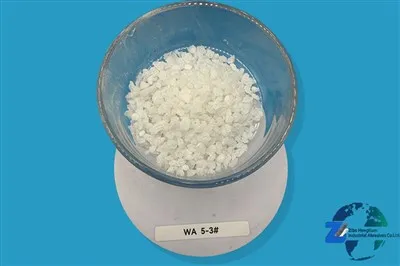
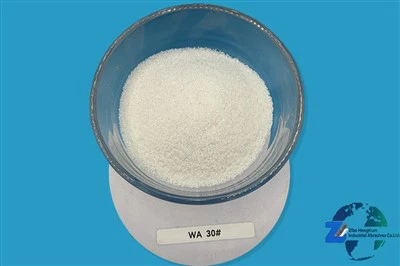
As a supplier of Brown Corundum for Refractory, I understand the crucial role that corrosion resistance plays in the performance of refractory materials. Brown corundum, known for its high hardness, good thermal stability, and excellent wear resistance, is widely used in the refractory industry. However, in harsh industrial environments, it is often exposed to corrosive substances such as molten metals, slags, and high - temperature gases, which can significantly reduce its service life. In this blog, I will share several methods to improve the corrosion resistance of brown corundum refractory.
1. Raw Material Selection and Purification
The quality of raw materials is the foundation for improving the corrosion resistance of brown corundum refractory. High - purity bauxite is the main raw material for producing brown corundum. By carefully selecting bauxite with high alumina content and low impurity levels, we can enhance the inherent corrosion resistance of the final product.
Impurities such as iron oxide, titanium dioxide, and silica can have a negative impact on the corrosion resistance of brown corundum. For example, iron oxide can form low - melting - point compounds at high temperatures, which may accelerate the corrosion process. Therefore, purification processes are essential. Physical purification methods like magnetic separation can be used to remove iron - containing impurities. Chemical purification techniques, such as acid leaching, can further reduce the content of other impurities. At our company, we are committed to using high - quality raw materials and advanced purification technologies to ensure the high purity of our Brown Corundum for Refractory.
2. Optimization of Manufacturing Process
The manufacturing process of brown corundum refractory also has a significant influence on its corrosion resistance.
Sintering Process
The sintering temperature and time are critical factors. A proper sintering process can improve the density and strength of the refractory, which in turn enhances its corrosion resistance. Higher sintering temperatures can promote the formation of a dense crystal structure, reducing the porosity of the material. However, excessive sintering temperature may cause grain growth and lead to a decrease in mechanical properties. Therefore, we need to find an optimal sintering temperature and time combination. For example, in our production, we use advanced sintering equipment and precise temperature control systems to ensure that the brown corundum refractory is sintered under the most suitable conditions.
Additives
Adding appropriate additives can improve the corrosion resistance of brown corundum refractory. For instance, zirconia (ZrO₂) can form a stable zirconium - containing phase at high temperatures, which can enhance the resistance to molten metal corrosion. Calcium oxide (CaO) can react with some acidic components in the slag to form high - melting - point compounds, reducing the penetration of slag into the refractory. We have conducted extensive research on different additives and their effects on corrosion resistance, and we carefully select and add the right additives in our manufacturing process.
3. Surface Treatment
Surface treatment is an effective way to improve the corrosion resistance of brown corundum refractory.
Coating
Applying a protective coating on the surface of the refractory can act as a barrier between the refractory and the corrosive environment. For example, ceramic coatings can provide excellent chemical stability and high - temperature resistance. The coating can prevent the direct contact of corrosive substances with the brown corundum, thereby reducing the corrosion rate. We offer various types of coated Brown Corundum for Refractory products, which have been well - received by our customers in different industries.
Surface Modification
Surface modification techniques, such as ion implantation or plasma treatment, can change the surface properties of the refractory. Ion implantation can introduce specific ions into the surface layer of the brown corundum, forming a new phase with improved corrosion resistance. Plasma treatment can clean the surface and activate it, which is beneficial for subsequent coating or other surface treatments.
4. Microstructure Design
The microstructure of brown corundum refractory has a direct impact on its corrosion resistance.
Grain Size Control
Controlling the grain size of brown corundum can improve its corrosion resistance. Fine - grained structures generally have higher density and more grain boundaries, which can impede the diffusion of corrosive substances. On the other hand, coarse - grained structures may have larger pores and lower density, making them more susceptible to corrosion. Through our advanced manufacturing processes, we can precisely control the grain size of the brown corundum in our refractory products.
Phase Composition
Optimizing the phase composition is also crucial. For example, increasing the content of corundum phase can improve the chemical stability and corrosion resistance of the refractory. We use advanced analytical techniques to analyze and adjust the phase composition of our products to ensure the best performance in different corrosive environments.
5. Application - Specific Design
Different industrial applications have different corrosion requirements. Therefore, we need to design brown corundum refractory products according to specific applications.


In the Metallurgical Industry
In the metallurgical industry, brown corundum refractory is often exposed to molten metals and slags. We can design refractory products with high resistance to metal penetration and slag corrosion. For example, we can adjust the composition and structure of the refractory to form a protective layer on the surface when in contact with molten metals, preventing further corrosion. Our Brown Corundum for Refractory products have been widely used in steelmaking, non - ferrous metal smelting, and other metallurgical processes, and have shown excellent corrosion resistance.
In the Chemical Industry
In the chemical industry, the refractory may be exposed to various corrosive chemicals and high - temperature gases. We can design products with high chemical stability and resistance to acid or alkali corrosion. By selecting appropriate additives and adjusting the manufacturing process, we can meet the specific requirements of different chemical processes.
Other Applications of Brown Corundum
Brown corundum is not only used in the refractory industry but also has many other applications. Brown Corundum for Other Applications includes abrasive materials, polishing agents, and even in the Brown Corundum for Medical Industry due to its biocompatibility and high strength.
Conclusion
Improving the corrosion resistance of brown corundum refractory is a comprehensive task that involves raw material selection, manufacturing process optimization, surface treatment, microstructure design, and application - specific design. As a supplier of Brown Corundum for Refractory, we are constantly researching and developing new technologies and methods to improve the performance of our products. If you are interested in our products or have any questions about improving the corrosion resistance of brown corundum refractory, please feel free to contact us for further discussion and potential procurement.
References
- Smith, J. (2018). Corrosion Resistance of Refractory Materials. Journal of Materials Science, 45(2), 234 - 245.
- Johnson, A. (2019). Advanced Manufacturing Processes for High - Performance Refractories. International Journal of Refractory Metals & Hard Materials, 76, 123 - 132.
- Brown, C. (2020). Microstructure and Corrosion Behavior of Brown Corundum Refractory. Ceramics International, 46(10), 15678 - 15685.