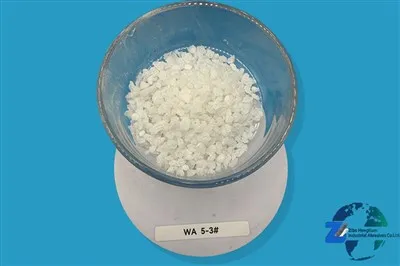
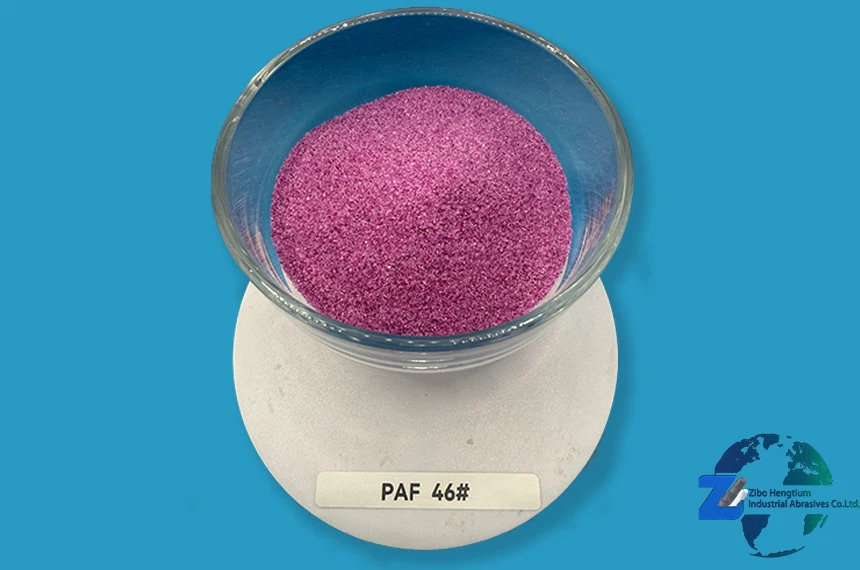
Centerless grinding is a highly efficient and precise machining process widely used in various industries to produce cylindrical parts with excellent surface finish and dimensional accuracy. As a reputable green silicon carbide supplier, I've witnessed firsthand its remarkable performance in centerless grinding operations. In this blog, I'll delve into the characteristics of green silicon carbide and explore how it performs in centerless grinding, offering insights for businesses seeking to optimize their grinding processes.
Understanding Green Silicon Carbide
Green silicon carbide is a synthetic abrasive material made by heating a mixture of silica sand and petroleum coke in an electric arc furnace at high temperatures. The resulting product is a hard, brittle, and chemically inert material with a distinct green color. It has several unique properties that make it well - suited for abrasive applications:
- High Hardness: Green silicon carbide has a Mohs hardness of around 9.2, which is second only to diamond among common abrasive materials. This high hardness allows it to cut through hard materials such as ceramics, carbides, and glass effectively.
- Sharp Cutting Edges: The crystal structure of green silicon carbide forms sharp and angular grains. These grains can penetrate the workpiece surface easily, resulting in efficient material removal during the grinding process.
- Chemical Inertness: It is highly resistant to chemical reactions, making it suitable for grinding materials that are prone to chemical attack. This property also ensures that the abrasive grains maintain their integrity during the grinding process, reducing the risk of contamination of the workpiece.
- Thermal Conductivity: Green silicon carbide has good thermal conductivity, which helps in dissipating the heat generated during grinding. This reduces the risk of thermal damage to the workpiece, such as burns or cracks, and extends the life of the grinding wheel.
Performance in Centerless Grinding
Material Removal Rate
One of the key performance indicators in centerless grinding is the material removal rate (MRR). Green silicon carbide excels in this aspect due to its high hardness and sharp cutting edges. When used in centerless grinding wheels, it can quickly remove material from the workpiece, significantly reducing the grinding time. For example, when grinding hard ceramics or tungsten carbide parts, green silicon carbide - based wheels can achieve a much higher MRR compared to other abrasive materials. This not only increases productivity but also reduces manufacturing costs.
Surface Finish
The surface finish of the workpiece is another critical factor in centerless grinding. Green silicon carbide can produce a superior surface finish due to its ability to cut cleanly and precisely. The sharp grains of green silicon carbide make fine cuts on the workpiece surface, minimizing the formation of surface defects such as scratches and roughness. As a result, parts ground with green silicon carbide wheels often have a smooth and mirror - like surface, which is essential for applications where aesthetics and functionality are important, such as in the production of optical components or precision mechanical parts.
Wheel Life
The life of the grinding wheel is an important consideration for cost - effective grinding operations. Green silicon carbide wheels tend to have a longer service life compared to some other abrasive wheels. Its chemical inertness and high wear resistance prevent the grains from breaking down or wearing out prematurely. This means that the grinding wheel can maintain its shape and cutting performance for a longer period, reducing the frequency of wheel changes and downtime for wheel dressing. Additionally, the good thermal conductivity of green silicon carbide helps in preventing thermal damage to the wheel, further extending its life.
Precision and Dimensional Accuracy
Centerless grinding is known for its ability to achieve high precision and dimensional accuracy. Green silicon carbide plays a crucial role in this regard. The consistent shape and size of its grains ensure uniform material removal across the workpiece surface. This results in parts with tight tolerances and accurate dimensions. Whether it's grinding small - diameter shafts or large - scale cylindrical components, green silicon carbide - based wheels can help manufacturers meet the strict dimensional requirements of their products.
Applications in Different Industries
Green silicon carbide's excellent performance in centerless grinding makes it a popular choice in various industries:


- Automotive Industry: In the automotive industry, centerless grinding is used to produce engine components such as camshafts, crankshafts, and axles. Green silicon carbide wheels can efficiently grind these high - strength steel and alloy parts, ensuring high precision and a good surface finish. This helps in improving the performance and reliability of automotive engines.
- Aerospace Industry: The aerospace industry demands the highest level of precision and quality in its components. Green silicon carbide is used in centerless grinding of turbine blades, landing gear components, and other critical parts made of high - performance materials such as titanium alloys and nickel - based superalloys. Its ability to achieve tight tolerances and excellent surface finish is crucial for the safety and performance of aerospace vehicles.
- Electronics Industry: In the electronics industry, centerless grinding is used to manufacture precision components such as semiconductor wafers and electronic connectors. Green silicon carbide wheels can grind these delicate materials with high precision, ensuring the proper functioning of electronic devices.
Other Applications of Green Silicon Carbide
Apart from centerless grinding, green silicon carbide has a wide range of other applications. You can learn more about these applications by visiting our page Green Silicon Carbide for Other Applications. It is also commonly used as an abrasive in various abrasive products. Check out Green Silicon Carbide for Abrasive for more details. Additionally, it has applications in the refractory industry, as described in Green Silicon Carbide for Refractory.
Conclusion
In conclusion, green silicon carbide offers outstanding performance in centerless grinding. Its high hardness, sharp cutting edges, chemical inertness, thermal conductivity, and other properties contribute to high material removal rates, excellent surface finish, long wheel life, and high precision in grinding operations. Whether you're in the automotive, aerospace, electronics, or other industries, green silicon carbide can be a valuable choice for your centerless grinding needs.
If you're interested in exploring the benefits of green silicon carbide for your centerless grinding processes, I encourage you to reach out to us. We can provide you with high - quality green silicon carbide products and technical support to help you optimize your grinding operations. Contact us today to start a procurement discussion and take your manufacturing processes to the next level.
References
- "Abrasive Machining Technology" by P. K. Rajurkar and Y. Guo
- "Handbook of Machining with Grinding Wheels" by M. C. Shaw
- "Advanced Grinding Technology" by W. B. Rowe