Well, folks, as a Guideway Grinding Wheel supplier, I've been in the thick of the grinding wheel game for quite a while. And one question that always comes up is: "How to judge if a guideway grinding wheel meets the quality standards?" Today, I'm gonna share some insights on this very topic based on my hands - on experience.
First off, let's talk about the physical attributes of a guideway grinding wheel. The surface finish is crucial. You want a wheel with a smooth, even surface. Any rough patches or visible irregularities can lead to inconsistent grinding results. When you put your hands on the grinding wheel, it should feel like a well - crafted piece of equipment. A high - quality Guideway Grinding Wheel [/grinding - wheel/guideway - grinding - wheel.html] should have a uniform texture without any signs of cracks or chips. Cracks can not only affect the performance of the wheel but also pose a safety hazard.
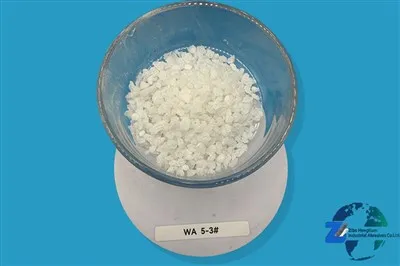
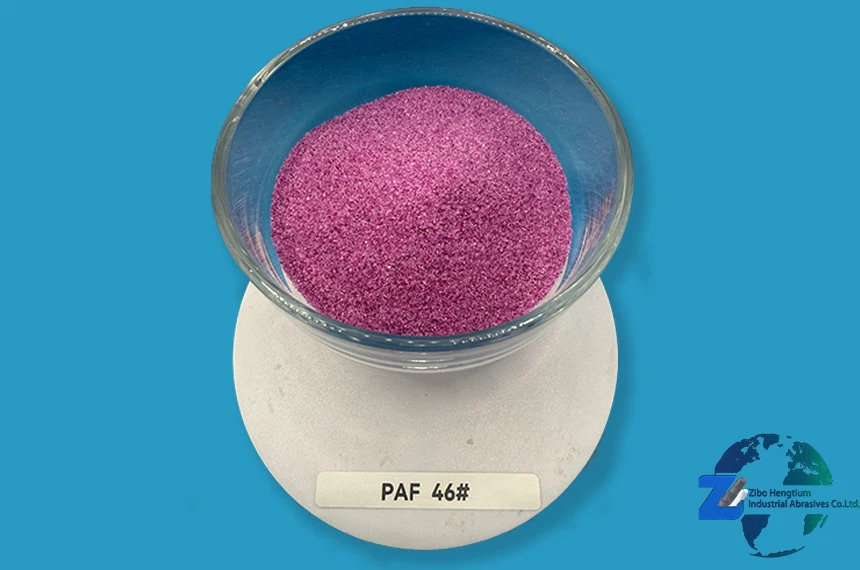
Now, let's get into the grit and bond of the grinding wheel. The grit is all about the coarseness of the abrasive particles on the wheel. For guideway grinding, you typically need a finer grit. A finer grit allows for a smoother finish on the guideway surface. But it's not just about the fineness; the grit distribution also matters. It should be consistent across the entire wheel. If the grit is clumped in some areas and sparse in others, you're gonna get uneven grinding.
The bond, on the other hand, holds the grit particles together. A good bond is strong enough to keep the grit in place during the grinding process but also releases the dull grit at the right time to expose new, sharp particles. There are different types of bonds, like vitrified, resinoid, and metal bonds. Each has its own pros and cons. Vitrified bonds are known for their high heat resistance and good shape retention, which is great for precision grinding of guideways. Resinoid bonds are more flexible and can absorb shock better.
Another important aspect is the hardness of the grinding wheel. The hardness refers to how easily the bond releases the abrasive grit. Too hard a wheel, and the grit won't release fast enough, leading to overheating and burning of the guideway surface. Too soft a wheel, and the grit will wear off too quickly, reducing the grinding efficiency. You need to find the right balance. In most guideway grinding applications, a medium - hard wheel tends to work best.
When it comes to performance testing, there are a few ways to go. First, you can do a simple bench test. Mount the grinding wheel on a test grinder and run it for a short period. Listen carefully to the sound. A smooth - running wheel should make a consistent, low - pitched humming sound. Any strange noises, like rattling or screeching, could indicate a problem with the wheel's balance or internal structure.
You can also look at the grinding chips. After a short test grind, check the chips. For guideway grinding, the chips should be small and uniform. Large, jagged chips might mean that the wheel is too coarse or that the cutting action is not right.


In addition to these in - house tests, it's also a good idea to look at the wheel's performance in a real - world application. If possible, get some customer feedback. Customers who have used the guideway grinding wheels in their production lines can provide valuable insights into the wheel's long - term performance, such as its durability and the quality of the finish it produces.
Now, let's compare guideway grinding wheels with other types of grinding wheels, like Cutter Grinding Wheels [/grinding - wheel/cutter - grinding - wheel.html] and Worm Grinding Wheels [/grinding - wheel/worm - grinding - wheel.html]. Cutter grinding wheels are designed to sharpen cutting tools. They usually have a different grit size and hardness compared to guideway grinding wheels. Cutter grinding requires a very sharp and precise cutting action to ensure the edge of the cutter is sharp and durable.
Worm grinding wheels, on the other hand, are used for grinding the threads of worms. The shape and the grinding requirements for worm grinding wheels are quite different from guideway grinding wheels. Worm grinding often requires a wheel with a specific profile to match the shape of the worm threads.
As a supplier, I understand that meeting the quality standards of guideway grinding wheels is not just about passing some basic tests. It's about ensuring that the wheels can perform well in various industrial environments. I always work closely with my customers to understand their specific needs and then recommend the most suitable grinding wheels.
If you're in the market for high - quality guideway grinding wheels or have any questions about judging their quality, don't hesitate to reach out. We can have a chat about your application, and I'm confident I can help you find the right product. Whether you need a wheel for a small workshop or a large - scale manufacturing plant, I've got you covered. So, start thinking about your grinding needs and get in touch. Let's work together to make your grinding operations more efficient and productive.
References
- "Handbook of Abrasive Technology", some author, some publishing company
- "Grinding Wheel Applications and Best Practices", some expert, some industry magazine