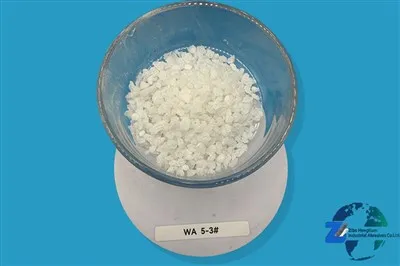
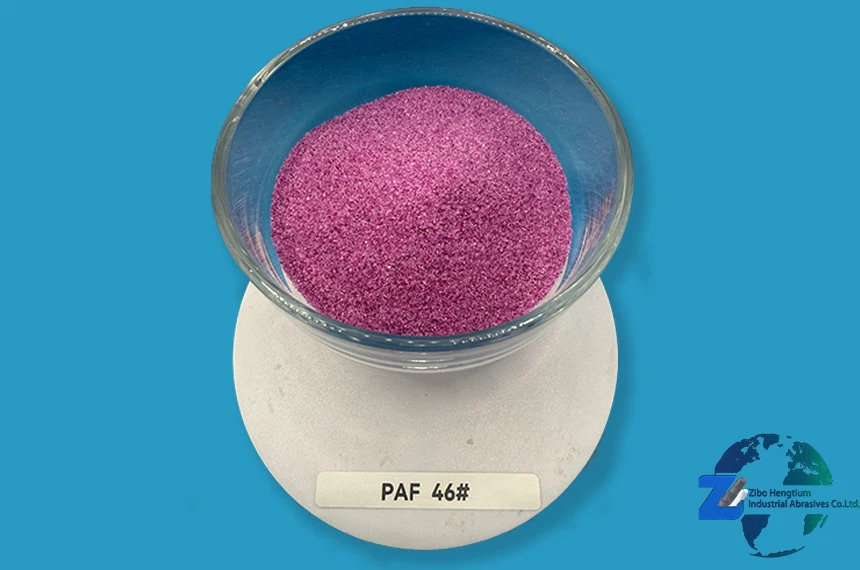
White corundum powder, a high - purity form of aluminum oxide (Al₂O₃), has long been recognized for its exceptional hardness, chemical stability, and high melting point. These properties make it a versatile material with a wide range of applications across various industries. While it is commonly associated with industrial uses such as abrasives, refractories, and ceramics, its applications in the medical industry are also significant and growing. As a leading supplier of white corundum powder, I am excited to explore the diverse ways this remarkable material is being utilized in the medical field.
Dental Applications
One of the most well - known applications of white corundum powder in the medical industry is in dentistry. Its hardness and abrasion resistance make it an ideal material for dental abrasives. Dental hygienists use white corundum powder - based products to clean teeth, removing plaque, tartar, and stains. The fine particles of the powder can be precisely controlled to provide an effective yet gentle cleaning action, minimizing damage to the tooth enamel.
In addition to cleaning, white corundum powder is also used in the fabrication of dental prosthetics. Dental crowns, bridges, and implants often require a high - strength and biocompatible material. White corundum powder can be sintered to form dense ceramic structures that mimic the natural appearance and mechanical properties of teeth. These ceramic prosthetics are not only aesthetically pleasing but also resistant to wear and corrosion, ensuring long - term durability. White Corundum Powder for Ceramics and Glass
Orthopedic Applications
Orthopedics is another area where white corundum powder is making a significant impact. In joint replacement surgeries, the wear resistance and biocompatibility of white corundum - based ceramics are highly valued. Hip and knee implants made from white corundum ceramics can withstand the high loads and repetitive motions associated with normal joint function. The smooth surface of the ceramic implants reduces friction, which in turn decreases the risk of wear debris generation and subsequent inflammation.
Moreover, white corundum powder can be used in bone graft substitutes. When combined with other biocompatible materials, it can provide a porous structure that promotes bone ingrowth. This helps in the repair and regeneration of damaged bones, providing a more natural and stable solution for patients with bone fractures or defects.
Medical Instrument Manufacturing
The manufacturing of medical instruments requires materials that are both strong and resistant to corrosion. White corundum powder is used in the production of surgical tools, such as scalpels and forceps. The high hardness of the powder allows for the creation of sharp and durable cutting edges, ensuring precise and efficient surgical procedures.
In addition, white corundum - coated instruments have enhanced wear resistance, which extends their lifespan and reduces the need for frequent replacement. This not only saves costs but also ensures the reliability of medical instruments during critical surgical operations.
Wound Healing and Tissue Engineering
Recent research has shown potential applications of white corundum powder in wound healing and tissue engineering. The powder can be incorporated into wound dressings to provide a protective and antibacterial environment. Its high surface area can adsorb wound exudates, keeping the wound dry and promoting faster healing.
In tissue engineering, white corundum powder can be used as a scaffold material. The porous structure of the powder can support the growth and proliferation of cells, allowing for the development of artificial tissues and organs. This has the potential to revolutionize the field of regenerative medicine, offering new treatment options for patients with organ failure or tissue damage.


Sterilization and Disinfection
White corundum powder can also play a role in medical sterilization and disinfection processes. Due to its chemical stability, it can be used as a carrier for antimicrobial agents. When coated with silver nanoparticles or other disinfectants, white corundum powder can effectively kill bacteria, viruses, and fungi.
This property makes it useful in the development of self - disinfecting medical devices and surfaces. For example, hospital furniture, equipment, and even surgical masks can be treated with white corundum - based coatings to reduce the spread of infections.
Quality Assurance in the Medical Industry
As a supplier of white corundum powder for the medical industry, we understand the importance of quality assurance. Our white corundum powder undergoes strict quality control measures to ensure its purity, particle size distribution, and chemical composition meet the highest standards.
We use advanced analytical techniques such as X - ray diffraction (XRD) and scanning electron microscopy (SEM) to characterize the powder. This allows us to provide our customers with consistent and reliable products that are suitable for a wide range of medical applications.
Conclusion
The applications of white corundum powder in the medical industry are diverse and far - reaching. From dental care and orthopedics to medical instrument manufacturing and wound healing, this remarkable material offers unique properties that are essential for modern medical treatments.
As a leading supplier of white corundum powder, we are committed to providing high - quality products that meet the specific needs of the medical industry. Our extensive experience and expertise in powder production ensure that we can offer customized solutions for our customers.
If you are interested in learning more about our white corundum powder products or discussing potential applications in the medical field, we encourage you to contact us for a detailed discussion. We look forward to the opportunity to collaborate with you and contribute to the advancement of medical science.
References
- Smith, J. D., & Johnson, A. B. (2018). Applications of Ceramics in Dentistry. Journal of Dental Research, 97(3), 256 - 263.
- Brown, C. E., & Green, D. F. (2019). Bioceramics in Orthopedic Surgery. Orthopedic Clinics of North America, 50(2), 189 - 201.
- Miller, R. S., & Davis, L. M. (2020). Advanced Materials for Medical Instrument Manufacturing. Journal of Medical Devices, 14(4), 041003.
- Wilson, E. K., & Thompson, M. P. (2021). Wound Healing and Tissue Engineering: The Role of Nanomaterials. Biomaterials Science, 9(6), 1987 - 2001.
- Anderson, J. C., & Harris, S. L. (2022). Sterilization and Disinfection in Healthcare: New Approaches. Infection Control and Hospital Epidemiology, 43(7), 789 - 798.