Brown corundum, a widely used refractory raw material, has unique properties that set it apart from other materials in the refractory industry. As a supplier of Brown Corundum for Refractory, I am well - versed in its characteristics and how it compares to other refractory raw materials.
Physical and Chemical Properties
Brown Corundum
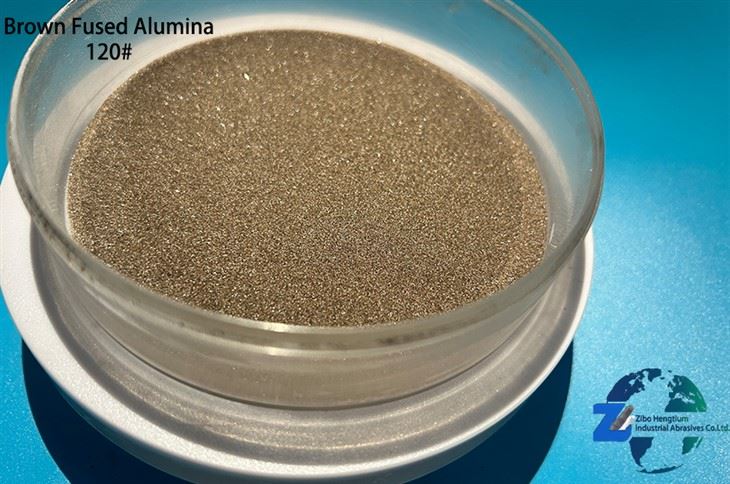
Brown corundum is produced by smelting bauxite in an electric arc furnace at high temperatures. It mainly consists of aluminum oxide (Al₂O₃), with a content typically ranging from 94.5% to 97%. The rest is composed of impurities such as silicon dioxide (SiO₂), titanium dioxide (TiO₂), and iron oxide (Fe₂O₃). Its hardness is relatively high, with a Mohs hardness of about 9, which makes it resistant to abrasion. It also has good thermal conductivity, which allows it to transfer heat efficiently in high - temperature environments.
Comparison with Other Refractory Raw Materials
- Fireclay: Fireclay is a common refractory raw material. It has a lower aluminum oxide content compared to brown corundum, usually between 30% - 45%. This results in lower refractoriness. Fireclay has a lower hardness, making it more prone to abrasion. However, it is more cost - effective and easier to process, which makes it suitable for applications where high - temperature resistance is not extremely demanding, such as in some low - temperature kilns.
- Silica Brick: Silica brick is mainly composed of silicon dioxide. It has a high melting point, but its thermal shock resistance is relatively poor. In contrast, brown corundum has better thermal shock resistance, which means it can withstand rapid temperature changes without cracking. Silica brick is also more brittle than brown corundum, and it may break under mechanical stress.
Performance in High - Temperature Environments
Thermal Stability
Brown corundum shows excellent thermal stability. It can maintain its physical and chemical properties at high temperatures up to 1800°C. This is due to its high - purity aluminum oxide content and stable crystal structure. When compared to other materials like magnesite bricks, which can decompose or react with other substances at high temperatures, brown corundum remains relatively inert. Magnesite bricks, rich in magnesium oxide, may react with acidic substances in the furnace atmosphere, leading to a decrease in their refractory performance.
Resistance to Chemical Erosion
In industrial furnaces, refractory materials are often exposed to various chemical substances. Brown corundum has good resistance to acidic and basic slags. For example, in steel - making furnaces, it can resist the erosion of iron - rich slags. In comparison, some other refractory materials like dolomite bricks are more susceptible to acidic slag attack. Dolomite bricks, containing calcium and magnesium carbonates, can react with acidic slags, causing the bricks to deteriorate over time.

Applications
Refractory Industry
In the refractory industry, brown corundum is used in a wide range of applications. It is commonly used to make refractory bricks, castables, and ramming masses. These products are used in various industrial furnaces, such as steel - making furnaces, cement kilns, and glass - melting furnaces.
- Steel - making Furnaces: In electric arc furnaces and basic oxygen furnaces, brown corundum - based refractories are used to line the furnace walls. Its high hardness and resistance to abrasion can withstand the mechanical impact of molten steel and slag. Compared to other materials like graphite - based refractories, which may oxidize at high temperatures in the presence of oxygen, brown corundum is more stable in the oxidizing environment of steel - making furnaces.
- Cement Kilns: Cement kilns operate at high temperatures, and the refractory lining needs to withstand the chemical erosion of cement clinker. Brown corundum - based castables are often used in the burning zone of cement kilns. Their good thermal stability and resistance to chemical attack ensure a long service life. In contrast, some traditional clay - based refractories may not be able to withstand the harsh conditions in the cement kiln for a long time.
Other Industries
- Brown Corundum for Ceramics and Glass: In the ceramics and glass industries, brown corundum is used as an abrasive and a raw material for making ceramic components. Its high hardness allows it to be used for grinding and polishing glass and ceramic products. Compared to other abrasives like silicon carbide, brown corundum is less brittle and can provide a more consistent grinding performance.
- Brown Corundum for Water Treatment: Brown corundum can also be used in water treatment applications. It can be used as a filter medium due to its high porosity and chemical stability. In comparison to sand filters, brown corundum has a higher filtration efficiency and a longer service life. Sand filters may clog more easily and need to be replaced more frequently.
Cost - effectiveness
Initial Cost
The initial cost of brown corundum is generally higher than that of some common refractory raw materials like fireclay. However, when considering the long - term cost, brown corundum can be more cost - effective. Its longer service life in high - temperature and harsh chemical environments means fewer replacements and less downtime for maintenance. For example, in a steel - making furnace, although the initial investment in brown corundum - based refractories is higher than that in fireclay - based refractories, the fireclay - based refractories may need to be replaced more frequently, resulting in higher overall costs.
Cost - performance Ratio
The cost - performance ratio of brown corundum is relatively high. Its excellent physical and chemical properties, such as high hardness, thermal stability, and resistance to chemical erosion, make it a valuable choice for many industrial applications. When compared to some high - end refractory materials like zirconia - based refractories, which have extremely high performance but also very high costs, brown corundum can provide a good balance between performance and cost.
Conclusion
Brown corundum has many advantages when compared to other refractory raw materials. Its high hardness, excellent thermal stability, and resistance to chemical erosion make it suitable for a wide range of applications in the refractory industry and other fields. Although its initial cost may be relatively high, its long - term cost - effectiveness and high cost - performance ratio make it a popular choice for many industries.
If you are interested in purchasing brown corundum for your refractory needs or other applications, I encourage you to contact me for further discussions and negotiations. I am committed to providing high - quality brown corundum products and excellent customer service.
References
- "Refractories Handbook" by Peter F. J. Faulks
- "Industrial Ceramics: Properties, Processing, and Applications" by R. C. Bradt, A. G. Evans, D. P. H. Hasselman, and F. F. Lange