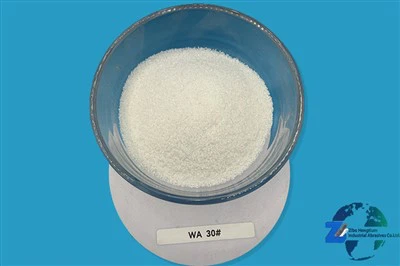
In the world of manufacturing and machining, cutter grinding wheels play a pivotal role in ensuring precision and efficiency. As a leading supplier of cutter grinding wheels, I have witnessed firsthand the diverse range of these essential tools and their applications. In this blog, I will delve into the different types of cutter grinding wheels, exploring their unique features, benefits, and ideal use cases.
1. Aluminum Oxide Grinding Wheels
Aluminum oxide is one of the most commonly used abrasives in cutter grinding wheels. These wheels are known for their versatility and durability. They are suitable for grinding a wide range of materials, including carbon steel, alloy steel, and cast iron.
The aluminum oxide grains are tough and can withstand high temperatures, making them ideal for heavy-duty grinding operations. They also have a self-sharpening property, which means that as the grains wear down, new sharp edges are exposed, maintaining the wheel's cutting efficiency.
Aluminum oxide grinding wheels are available in different grit sizes. Coarser grits (e.g., 24 - 36) are used for rough grinding, where material removal is the primary goal. Finer grits (e.g., 80 - 120) are used for finishing operations, where a smooth surface finish is required.
2. Silicon Carbide Grinding Wheels
Silicon carbide is another popular abrasive used in cutter grinding wheels. These wheels are particularly effective for grinding hard and brittle materials such as ceramics, glass, and non-ferrous metals like aluminum and brass.
Silicon carbide grains are harder and sharper than aluminum oxide grains, which allows for faster material removal. They also have a high thermal conductivity, which helps to dissipate heat during the grinding process, reducing the risk of thermal damage to the workpiece.
Silicon carbide grinding wheels are often used in applications where a high level of precision is required, such as in the manufacturing of cutting tools and precision components. They are available in a variety of grit sizes, similar to aluminum oxide wheels, to suit different grinding requirements.


3. Cubic Boron Nitride (CBN) Grinding Wheels
Cubic Boron Nitride is a synthetic abrasive that is second only to diamond in hardness. CBN grinding wheels are highly effective for grinding hard materials such as hardened steels, tool steels, and superalloys.
These wheels offer several advantages over traditional abrasives. They have a high cutting efficiency, which means that they can remove material quickly and accurately. They also have a long service life, reducing the need for frequent wheel changes.
CBN grinding wheels are commonly used in high-precision grinding applications, such as the grinding of gears, bearings, and aerospace components. They are available in different bond types, including vitrified, resin, and metal bonds, each with its own unique properties and applications.
4. Diamond Grinding Wheels
Diamond is the hardest known material, and diamond grinding wheels are the most effective for grinding extremely hard materials such as carbide, ceramics, and glass.
Diamond grinding wheels offer exceptional cutting performance and can provide a high-quality surface finish. They are available in a variety of diamond concentrations and grit sizes, allowing for precise control over the grinding process.
These wheels are commonly used in the manufacturing of cutting tools, such as carbide end mills and drills, as well as in the precision grinding of optical components and semiconductor wafers.
5. Worm Grinding Wheel
A Worm Grinding Wheel is a specialized type of grinding wheel designed for grinding worms, which are helical gears used in worm gear drives. These wheels are typically made with a specific profile to match the shape of the worm, ensuring accurate and efficient grinding.
Worm grinding wheels are often made with high-quality abrasives, such as CBN or diamond, to provide the necessary cutting performance and durability. They are used in the manufacturing of worm gears for various applications, including automotive, industrial machinery, and robotics.
6. High-Precision Gear Grinding Wheel
High-Precision Gear Grinding Wheel are designed to meet the strict requirements of gear manufacturing. These wheels are used to grind the teeth of gears to a high degree of accuracy, ensuring smooth and efficient operation.
High-precision gear grinding wheels are typically made with fine-grained abrasives and advanced bonding technologies to provide excellent surface finish and dimensional accuracy. They are available in different profiles and configurations to suit various gear types and sizes.
7. High-Performance Tool Grinding Wheel
High-Performance Tool Grinding Wheel are designed for the grinding of cutting tools, such as drills, end mills, and reamers. These wheels are made with high-quality abrasives and advanced bonding systems to provide superior cutting performance and long service life.
High-performance tool grinding wheels are available in a variety of shapes and sizes to suit different tool geometries. They are often used in the manufacturing of high-speed steel and carbide cutting tools, where precision and efficiency are crucial.
Choosing the Right Cutter Grinding Wheel
When choosing a cutter grinding wheel, several factors need to be considered, including the material to be ground, the required surface finish, the grinding machine, and the specific application.
- Material to be Ground: Different materials require different types of abrasives. For example, aluminum oxide wheels are suitable for grinding steel, while silicon carbide wheels are better for non-ferrous metals and ceramics.
- Surface Finish: The desired surface finish will determine the grit size of the grinding wheel. Finer grits will provide a smoother surface finish, while coarser grits are used for rough grinding.
- Grinding Machine: The type of grinding machine being used will also affect the choice of grinding wheel. Some machines may require specific wheel sizes or shapes.
- Application: The specific application will determine the type of wheel required. For example, worm grinding wheels are used for grinding worms, while high-precision gear grinding wheels are used for gear manufacturing.
Conclusion
As a cutter grinding wheel supplier, I understand the importance of providing high-quality products that meet the diverse needs of our customers. The different types of cutter grinding wheels offer a wide range of options for various applications, from rough grinding to high-precision finishing.
By choosing the right cutter grinding wheel, manufacturers can improve the efficiency and quality of their grinding operations, leading to better products and increased productivity. If you are in need of cutter grinding wheels for your manufacturing processes, I encourage you to contact us to discuss your specific requirements. We are committed to providing you with the best solutions and support to help you achieve your goals.
References
- Groover, M. P. (2010). Fundamentals of Modern Manufacturing: Materials, Processes, and Systems. Wiley.
- Trent, E. M., & Wright, P. K. (2000). Metal Cutting. Butterworth-Heinemann.