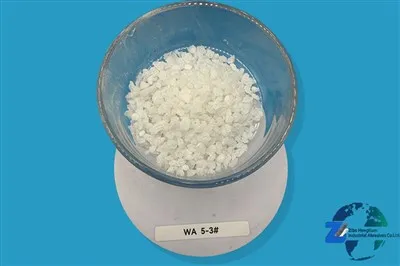
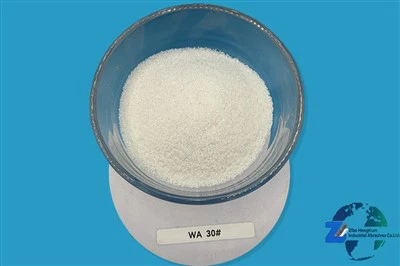
As a supplier of chrome corundum, I am often asked about the frictional properties of this remarkable material. Chrome corundum, a synthetic abrasive with a unique combination of chromium oxide and aluminum oxide, has gained significant attention in various industries due to its outstanding performance in friction - related applications. In this blog, I will delve into the frictional properties of chrome corundum, exploring how these properties make it an ideal choice for different uses.
Composition and Structure: The Foundation of Frictional Performance
The composition of chrome corundum is crucial in determining its frictional properties. It typically consists of 95 - 99% aluminum oxide ((Al_2O_3)) with a small percentage (usually 2 - 5%) of chromium oxide ((Cr_2O_3)). The addition of chromium oxide imparts several beneficial characteristics. Chromium oxide acts as a grain modifier, altering the crystal structure of the aluminum oxide matrix. This results in a more uniform and finer grain structure compared to regular aluminum oxide abrasives.
The fine - grained structure of chrome corundum plays a vital role in its frictional behavior. When in contact with a workpiece, the small and numerous grains provide multiple contact points. This distributed contact reduces the stress concentration at each point, allowing for a more controlled and consistent frictional force. In contrast, coarser - grained abrasives may cause uneven wear and higher peak stresses, leading to less predictable frictional performance.
Frictional Coefficient
The frictional coefficient of chrome corundum is an important parameter that describes the interaction between the abrasive and the workpiece. The frictional coefficient is influenced by several factors, including the surface roughness of the workpiece, the load applied, and the relative sliding speed.
In general, chrome corundum exhibits a relatively high and stable frictional coefficient. This is beneficial in applications where a strong grip is required, such as grinding and polishing. For example, when used in grinding wheels, the high frictional coefficient allows the wheel to effectively remove material from the workpiece. The stable frictional behavior ensures that the grinding process is consistent, resulting in a high - quality surface finish.
However, the frictional coefficient can also be adjusted depending on the specific application. By modifying the grain size, shape, and the binder used in the abrasive product, the frictional coefficient can be optimized. For instance, in some precision grinding applications, a slightly lower frictional coefficient may be desired to minimize heat generation and avoid thermal damage to the workpiece.
Wear Resistance and Frictional Stability
One of the key advantages of chrome corundum is its excellent wear resistance, which is closely related to its frictional properties. During the friction process, the abrasive grains are subjected to wear due to the mechanical forces and the chemical reactions with the workpiece material. Chrome corundum's high hardness and toughness make it highly resistant to wear.
The wear resistance of chrome corundum ensures that the frictional properties remain stable over time. As the abrasive grains gradually wear, they do not break down suddenly but rather wear in a controlled manner. This results in a consistent frictional force throughout the service life of the abrasive product. In contrast, less wear - resistant abrasives may experience rapid grain breakdown, leading to a significant change in the frictional coefficient and a decrease in the overall performance.
Applications Based on Frictional Properties
The unique frictional properties of chrome corundum make it suitable for a wide range of applications.
Grinding
In grinding applications, chrome corundum is widely used due to its ability to provide a high - quality surface finish and efficient material removal. The stable frictional coefficient and wear resistance ensure that the grinding process is consistent and reliable. Chrome corundum grinding wheels are commonly used for grinding hard and brittle materials, such as ceramics, glass, and hardened steels. You can find more information about chrome corundum for grindings here.
Coating
Chrome corundum can also be used in coating applications. When incorporated into a coating, the high frictional coefficient of chrome corundum can enhance the anti - slip properties of the surface. For example, in industrial flooring or automotive brake pads, chrome corundum coatings can improve safety by increasing the friction between the surface and the contact object. To learn more about chrome corundum for coating, visit this page.
Special Material Processing
In special material processing, such as the processing of aerospace alloys and high - performance composites, chrome corundum's frictional properties are highly valued. The ability to maintain a stable frictional force under high - stress conditions allows for precise machining of these difficult - to - cut materials. For more details on chrome corundum for special material processing, click Chrome Corundum for Special Material Processing.
Heat Generation and Frictional Energy Dissipation
During the friction process, a significant amount of heat is generated due to the conversion of mechanical energy into thermal energy. Excessive heat can cause thermal damage to the workpiece, such as surface hardening, cracking, and oxidation. Chrome corundum has good thermal conductivity, which helps in dissipating the heat generated during friction.
The fine - grained structure of chrome corundum also contributes to better heat dissipation. The multiple contact points distribute the heat more evenly, reducing the temperature at each contact point. Additionally, the wear - resistant nature of chrome corundum means that the frictional energy is mainly used for material removal rather than excessive grain wear, which further helps in controlling heat generation.
Influence of Environmental Factors on Frictional Properties
Environmental factors, such as humidity and temperature, can also affect the frictional properties of chrome corundum. In high - humidity environments, a thin layer of moisture may form on the surface of the abrasive and the workpiece. This moisture layer can act as a lubricant, reducing the frictional coefficient. However, in some cases, the moisture may also cause corrosion or chemical reactions, which can affect the long - term performance of the abrasive.
Temperature changes can also have an impact on the frictional behavior. At high temperatures, the mechanical properties of chrome corundum may change, affecting its hardness and wear resistance. Additionally, thermal expansion of the abrasive and the workpiece can alter the contact conditions, leading to changes in the frictional coefficient.
Conclusion
In conclusion, the frictional properties of chrome corundum are a result of its unique composition, structure, and physical properties. The high and stable frictional coefficient, excellent wear resistance, and good heat dissipation make it an ideal choice for a variety of applications, including grinding, coating, and special material processing.


As a chrome corundum supplier, I understand the importance of these frictional properties in meeting the diverse needs of our customers. We offer a wide range of chrome corundum products with different specifications to ensure that you can find the most suitable solution for your specific application. If you are interested in learning more about our chrome corundum products or have any questions regarding their frictional properties, please feel free to contact us for procurement and further discussion.
References
- Rowe, W. B. (2009). Principles of Modern Grinding Technology. Springer.
- Malkin, S., & Guo, C. (2008). Grinding Technology: Theory and Applications of Machining with Abrasives. Society of Manufacturing Engineers.
- Shaw, M. C. (2005). Metal Cutting Principles. Oxford University Press.