Hey there! As a supplier of Brown Corundum for Refractory, I often get asked why brown corundum is such a popular choice for refractory applications. Well, let me break it down for you.
First off, what exactly is brown corundum? Brown corundum, also known as brown fused alumina, is a synthetic abrasive material made by fusing bauxite, anthracite, and iron filings in an electric arc furnace at extremely high temperatures. The result is a tough, dense, and durable material that has a whole bunch of great properties for refractory use.
One of the main reasons brown corundum is so popular in refractory applications is its high melting point. It can withstand temperatures of up to 2250°C. That's seriously hot! In refractory applications, where materials are exposed to intense heat on a regular basis, having a high melting point is crucial. Whether it's in steelmaking furnaces, cement kilns, or glass melting tanks, brown corundum can hold up under the extreme heat without losing its structural integrity.
Another key property is its excellent thermal shock resistance. Thermal shock occurs when a material is subjected to rapid changes in temperature. For example, when a furnace is heated up quickly or cooled down suddenly, the materials inside can experience a lot of stress. Brown corundum has the ability to handle these rapid temperature changes without cracking or spalling. This is because it has a relatively low coefficient of thermal expansion, which means it doesn't expand or contract too much when the temperature changes. This makes it ideal for use in environments where thermal shock is a common problem.
Brown corundum also has great hardness and wear resistance. It's one of the hardest materials out there, with a Mohs hardness of around 9. This means it can resist abrasion and wear from things like molten metals, slag, and abrasive particles. In refractory applications, where the materials are often in contact with these harsh substances, having good wear resistance is essential. It helps to extend the lifespan of the refractory lining and reduces the need for frequent repairs or replacements.
In addition to its physical properties, brown corundum is also chemically stable. It's resistant to corrosion from acids, alkalis, and other chemicals. This is important in refractory applications where the materials may be exposed to corrosive substances. For example, in the chemical industry, where furnaces are used to process various chemicals, brown corundum can provide a reliable and long - lasting refractory lining that can withstand the corrosive environment.
Now, let's talk about some of the specific applications of brown corundum in the refractory industry. In steelmaking, brown corundum is used in the lining of electric arc furnaces, basic oxygen furnaces, and ladles. The high - temperature resistance and wear resistance of brown corundum make it perfect for protecting these structures from the molten steel and slag. It helps to improve the efficiency of the steelmaking process and reduces the production costs by minimizing the need for furnace repairs.
In the cement industry, brown corundum is used in the kiln linings. Cement kilns operate at very high temperatures, and the refractory lining needs to be able to withstand the heat, abrasion from the cement clinker, and the chemical reactions that occur during the cement - making process. Brown corundum provides a durable and reliable lining that can keep the kiln running smoothly.


In the glass industry, brown corundum is used in the melting tanks and forehearths. The glass - melting process involves high temperatures and the presence of molten glass, which can be very corrosive. Brown corundum's chemical stability and wear resistance make it an ideal choice for protecting these structures and ensuring the quality of the glass production.
But brown corundum isn't just limited to refractory applications. It also has other uses. For example, it can be used for Brown Corundum for Water Treatment. In water treatment, brown corundum can be used as a filter media due to its high porosity and chemical stability. It can effectively remove impurities and contaminants from the water.
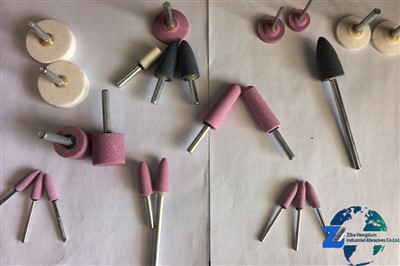
It's also widely used in Brown Corundum for Abrasives. Brown corundum is a popular choice for making grinding wheels, sandpaper, and other abrasive products. Its hardness and sharp edges make it great for cutting, grinding, and polishing various materials.
And if you're in the ceramics and glass industry, Brown Corundum for Ceramics and Glass is also something to consider. Brown corundum can be added to ceramic and glass formulations to improve their strength, hardness, and thermal properties.
As a supplier of Brown Corundum for Refractory, I've seen firsthand the benefits that brown corundum can bring to various industries. Whether you're in the steel, cement, glass, or any other industry that requires high - performance refractory materials, brown corundum is definitely a top choice.
If you're interested in learning more about brown corundum for your refractory applications or want to discuss a potential purchase, don't hesitate to reach out. I'm here to help you find the right solution for your needs. We can talk about the different grades and specifications of brown corundum available and how they can best suit your specific requirements.
In conclusion, brown corundum's combination of high melting point, thermal shock resistance, hardness, wear resistance, and chemical stability makes it an extremely popular choice for refractory applications. Its versatility also means it can be used in other industries as well. So, if you're looking for a reliable and effective refractory material, give brown corundum a try.
References
- "Industrial Minerals and Their Uses" - A general reference on industrial minerals including brown corundum.
- "Refractory Materials Handbook" - A comprehensive guide on refractory materials and their applications.