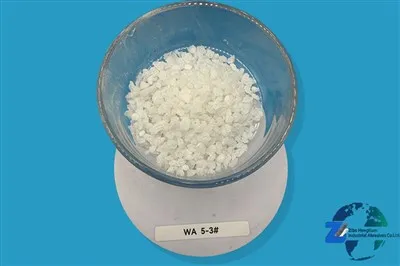
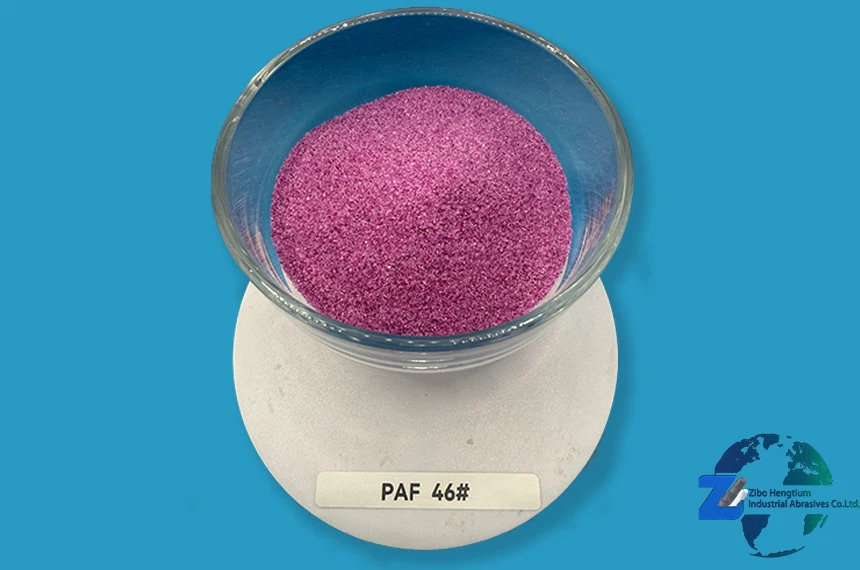
When it comes to white corundum for abrasives, one crucial aspect that often gets overlooked is the packaging. As a leading supplier of white corundum for abrasives, I understand the significance of proper packaging in ensuring the quality and integrity of our product throughout its journey from our facility to your hands. In this blog post, I'll delve into the various packaging options available for white corundum for abrasives, highlighting their features, benefits, and suitability for different applications.
Packaging Considerations for White Corundum for Abrasives
Before we explore the specific packaging options, it's essential to understand the key considerations that influence the choice of packaging for white corundum for abrasives. These factors include:


- Product Protection: White corundum is a hard and abrasive material that can cause damage to the packaging if not properly contained. The packaging must be able to withstand the abrasiveness of the product and prevent it from leaking or spilling during transportation and storage.
- Moisture Resistance: Moisture can have a detrimental effect on the quality of white corundum, causing it to clump together and lose its abrasive properties. The packaging should provide a barrier against moisture to ensure the product remains dry and free-flowing.
- Ease of Handling: The packaging should be designed for easy handling, loading, and unloading. It should be lightweight and durable, making it convenient for workers to move and stack the packages.
- Environmental Impact: In today's environmentally conscious world, it's important to consider the environmental impact of the packaging. Choosing packaging materials that are recyclable or biodegradable can help reduce waste and minimize the carbon footprint of your operations.
Packaging Options for White Corundum for Abrasives
Based on these considerations, there are several packaging options available for white corundum for abrasives. Let's take a closer look at each of these options:
1. Polyethylene Bags
Polyethylene bags are one of the most common packaging options for white corundum for abrasives. These bags are made from high-density polyethylene (HDPE) or low-density polyethylene (LDPE) and are available in various sizes and thicknesses.
Features and Benefits:
- Abrasion Resistance: Polyethylene bags are highly resistant to abrasion, making them suitable for packaging white corundum. They can withstand the rough handling and friction associated with the product without tearing or puncturing.
- Moisture Resistance: The polyethylene material provides a good barrier against moisture, preventing the white corundum from absorbing water and maintaining its quality.
- Cost-Effective: Polyethylene bags are relatively inexpensive compared to other packaging options, making them a cost-effective choice for large-scale production.
- Customizable: These bags can be customized with printing, labeling, and other features to meet your specific requirements. You can add your company logo, product information, and handling instructions to the bags for branding and identification purposes.
Suitability:
Polyethylene bags are suitable for both small and large quantities of white corundum. They are commonly used for packaging the product in retail stores, as well as for bulk shipments to industrial customers.
2. Paper Bags
Paper bags are another popular packaging option for white corundum for abrasives. These bags are made from kraft paper or other types of paper materials and are available in various sizes and styles.
Features and Benefits:
- Breathability: Paper bags allow air to circulate around the white corundum, preventing the buildup of moisture and reducing the risk of clumping. This makes them suitable for storing the product in humid environments.
- Eco-Friendly: Paper is a renewable and biodegradable material, making paper bags an environmentally friendly choice. They can be recycled or composted after use, reducing waste and minimizing the environmental impact.
- Printability: Paper bags can be easily printed with high-quality graphics and text, making them an excellent option for branding and marketing purposes. You can showcase your company logo, product features, and promotional messages on the bags to attract customers.
- Lightweight: Paper bags are lightweight, making them easy to handle and transport. They can be stacked and stored efficiently, saving space in your warehouse or storage facility.
Suitability:
Paper bags are suitable for packaging white corundum in smaller quantities, such as for retail sales or laboratory use. They are also a good option for products that require breathability and ventilation.
3. Plastic Drums
Plastic drums are a more robust and durable packaging option for white corundum for abrasives. These drums are made from high-density polyethylene (HDPE) or polypropylene (PP) and are available in various sizes, typically ranging from 20 to 220 liters.
Features and Benefits:
- High Strength: Plastic drums are designed to withstand heavy loads and rough handling. They provide excellent protection for the white corundum, preventing it from being damaged during transportation and storage.
- Moisture and Dust Resistance: The tight-fitting lids on plastic drums provide a seal against moisture and dust, ensuring the product remains clean and dry. This is especially important for applications where the white corundum needs to be kept free from contaminants.
- Reusability: Plastic drums can be reused multiple times, making them a cost-effective and sustainable packaging option. After the product has been used, the drums can be cleaned and refilled for future shipments.
- Stackability: Plastic drums are designed to be stackable, allowing for efficient storage and transportation. They can be stacked securely on pallets or in warehouses, maximizing space utilization.
Suitability:
Plastic drums are suitable for packaging large quantities of white corundum, especially for industrial applications. They are commonly used for shipping the product to manufacturers, contractors, and other large-scale users.
4. Steel Drums
Steel drums are a heavy-duty packaging option for white corundum for abrasives. These drums are made from steel and are available in various sizes and capacities.
Features and Benefits:
- Extreme Durability: Steel drums are extremely durable and can withstand the harshest conditions. They provide the highest level of protection for the white corundum, making them suitable for long-term storage and transportation in challenging environments.
- Fire Resistance: Steel is a non-combustible material, making steel drums a safe option for storing and transporting white corundum. They can help prevent fires and explosions in case of accidental ignition.
- Security: Steel drums can be fitted with secure closures and locking mechanisms, providing an additional layer of security for the product. This is important for applications where the white corundum needs to be protected from theft or unauthorized access.
- Recyclability: Steel is a highly recyclable material, making steel drums an environmentally friendly choice. After the product has been used, the drums can be recycled to produce new steel products.
Suitability:
Steel drums are typically used for packaging white corundum in large quantities for industrial applications where the highest level of protection is required. They are commonly used in the mining, construction, and manufacturing industries.
5. Bulk Containers
Bulk containers, such as intermediate bulk containers (IBCs) and silos, are used for storing and transporting large quantities of white corundum for abrasives. These containers are designed to hold several tons of the product and are commonly used in industrial settings.
Features and Benefits:
- Large Capacity: Bulk containers have a large capacity, allowing for the efficient storage and transportation of large quantities of white corundum. This reduces the need for multiple smaller packages and minimizes handling and transportation costs.
- Efficient Loading and Unloading: Bulk containers are equipped with loading and unloading mechanisms, such as valves and hatches, that allow for easy and efficient transfer of the product. This saves time and labor compared to manual handling of individual packages.
- Customizable: Bulk containers can be customized to meet your specific requirements. They can be equipped with features such as level sensors, agitators, and heating systems to ensure the proper storage and handling of the white corundum.
- Cost-Effective: Using bulk containers can be more cost-effective than using multiple smaller packages, especially for large-scale operations. The reduced packaging material and handling costs can result in significant savings over time.
Suitability:
Bulk containers are suitable for large-scale producers, distributors, and end-users of white corundum for abrasives. They are commonly used in industries such as mining, construction, and metalworking, where large quantities of the product are required.
Choosing the Right Packaging Option
When choosing the right packaging option for your white corundum for abrasives, it's important to consider the specific requirements of your application. Here are some factors to keep in mind:
- Quantity: The quantity of white corundum you need to package will determine the size and type of packaging you should choose. For small quantities, polyethylene bags or paper bags may be sufficient, while for large quantities, plastic drums, steel drums, or bulk containers may be more appropriate.
- Application: The intended application of the white corundum will also influence the choice of packaging. If the product will be used in a wet or humid environment, moisture-resistant packaging, such as polyethylene bags or plastic drums, may be required. If the product needs to be protected from dust and contaminants, sealed packaging, such as steel drums or bulk containers, may be necessary.
- Transportation and Storage Conditions: The transportation and storage conditions of the white corundum will also affect the choice of packaging. If the product will be transported over long distances or stored in harsh environments, durable and protective packaging, such as steel drums or bulk containers, may be needed.
- Budget: Your budget will also play a role in determining the packaging option you choose. While some packaging options, such as polyethylene bags and paper bags, are relatively inexpensive, others, such as steel drums and bulk containers, can be more costly. It's important to balance the cost of the packaging with the level of protection and functionality it provides.
Conclusion
Choosing the right packaging option for your white corundum for abrasives is essential to ensure the quality and integrity of the product throughout its journey from the supplier to the end-user. By considering the specific requirements of your application, you can select the packaging option that best meets your needs in terms of product protection, moisture resistance, ease of handling, and environmental impact.
As a supplier of white corundum for abrasives, we offer a wide range of packaging options to meet the diverse needs of our customers. Whether you need small quantities for laboratory use or large quantities for industrial applications, we can provide you with the right packaging solution.
If you're interested in learning more about our white corundum for abrasives or discussing your packaging requirements, please don't hesitate to contact us. Our experienced team of professionals will be happy to assist you and provide you with the information you need to make an informed decision.
In addition to white corundum for abrasives, we also offer white corundum for other applications, including White Corundum for Other Applications, White Corundum for Electronics and Optics, and White Corundum for Refractory. Visit our website to learn more about these products and their applications.
References
- ASTM International. (2023). Standard Specification for Aluminum Oxide Abrasive Grains. ASTM C784 - 19.
- ISO. (2023). ISO 6344 - 1:2013 - Coated abrasives -- Grain size analysis -- Part 1: Grain size distribution testing of macrogrits F4 to F220.
- Packaging Machinery Manufacturers Institute. (2023). Packaging Machinery: A Guide to Selection and Specification.