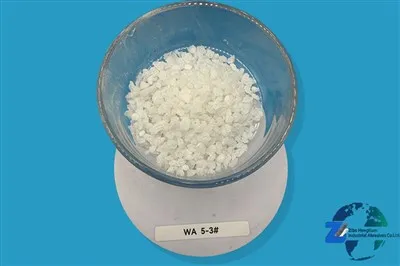
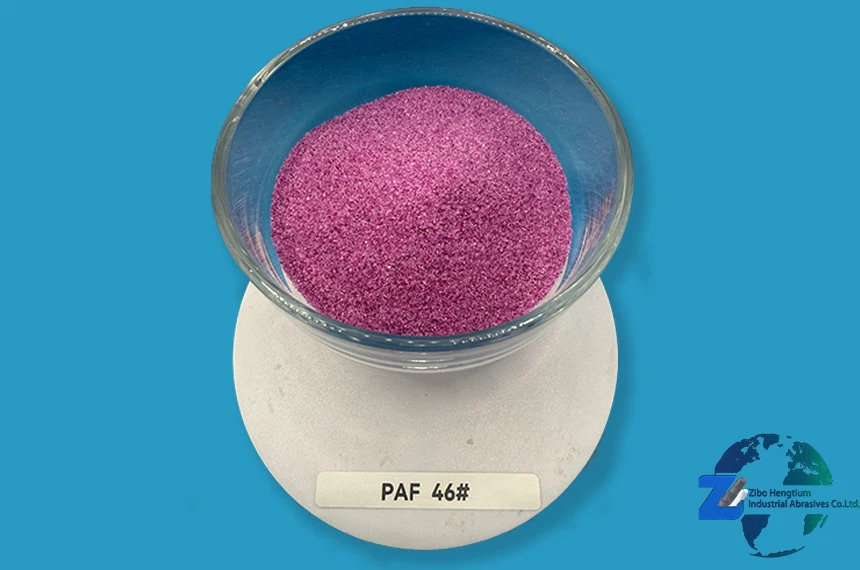
Hey there! As a supplier of white corundum powder, I often get asked about its chemical stability. So, I thought I'd take a deep - dive into this topic and share all the juicy details with you.
What is White Corundum Powder?
First off, let's quickly go over what white corundum powder actually is. It's a type of high - purity aluminum oxide (Al₂O₃) powder. We make it by melting high - quality alumina in an electric arc furnace at super high temperatures, usually around 2000°C. Once it cools and solidifies, we crush it into a fine powder.
The powder is known for its hardness (it's almost as hard as diamond on the Mohs scale), high melting point, and excellent chemical stability. These properties make it super useful in a bunch of different industries. You can find it in applications like White Corundum Powder for Refractory, White Corundum Powder for ELectrooptics, and White Corundum Powder for Others.
Understanding Chemical Stability
Chemical stability is all about how a substance reacts (or doesn't react) with other chemicals under different conditions. A chemically stable substance won't easily break down or react with other substances. For white corundum powder, its chemical stability is one of its star features.
Resistance to Acids
White corundum powder shows great resistance to most acids. In normal environmental conditions, it won't react with weak acids like acetic acid. Even when it comes to stronger acids, such as hydrochloric acid and sulfuric acid, it takes a lot to make it react. At room temperature, the reaction rate between white corundum powder and these acids is extremely slow.
However, if you crank up the temperature and increase the acid concentration, there will be some reaction. For example, in hot, concentrated sulfuric acid, over a long period of time, the surface of the white corundum powder may start to dissolve slightly. But this is under pretty extreme conditions. In most industrial applications, the exposure to such harsh acid environments is rare.
Resistance to Bases
When it comes to bases, white corundum powder also has good resistance. It doesn't readily react with common alkalis like sodium hydroxide solution at normal temperatures. But just like with acids, under high - temperature and high - concentration conditions of strong alkalis, the powder will react. For instance, in a molten sodium hydroxide environment, white corundum powder will react to form sodium aluminate.
Oxidation and Reduction Resistance
In terms of oxidation and reduction, white corundum powder is very stable. The aluminum in the powder is in a highly oxidized state as Al₂O₃. So, it won't be easily further oxidized. And in most reduction environments, there isn't a significant reaction either. This is why it can be used in many high - temperature oxidation - prone or reduction - needing processes.
Factors Affecting Chemical Stability
Particle Size
The particle size of white corundum powder can have an impact on its chemical stability. Smaller particles have a larger surface area. This means they have more contact with the surrounding chemicals, which can potentially increase the reaction rate. For very fine white corundum powder, the reaction might be a bit faster in harsh chemical environments compared to coarser powders.
Impurities
Impurities in the powder can also affect its chemical stability. If there are other metal oxides or contaminants in the white corundum powder, they might react with chemicals under certain conditions. For example, if there are iron oxide impurities, it could react with acids more easily than the pure aluminum oxide in the powder. That's why we, as suppliers, always strive to produce high - purity white corundum powder to ensure its best - in - class chemical stability.
Applications Thanks to Chemical Stability
Refractory Industry
In the refractory industry, the chemical stability of white corundum powder is a game - changer. Refractory materials need to withstand high temperatures and corrosive chemicals. White corundum is often added to refractory bricks and castables. Its stability allows these materials to resist chemical attacks from molten metals, slags, and gases in high - temperature furnaces. Check out White Corundum Powder for Refractory to learn more about its use in this field.
Electro - optics
In the electro - optical industry, white corundum powder is used to make components like lenses and windows. Its chemical stability ensures that these components won't get damaged by environmental chemicals, which is crucial for maintaining optical performance. Find out more about this at White Corundum Powder for ELectrooptics.


Other Applications
There are also many other applications where the chemical stability of white corundum powder shines. It's used in abrasive materials because it won't react with the materials it's grinding or polishing. It's also used in some chemical catalysts' supports, where its stability helps maintain the catalyst's performance. You can explore more applications at White Corundum Powder for Others.
Why Choose Our White Corundum Powder?
As a supplier, we take pride in the high - quality white corundum powder we offer. We use advanced production techniques to ensure high purity and consistent particle size. This means you get a product with excellent chemical stability, which is crucial for your applications.
Whether you're in the refractory, electro - optical, or other industries, our white corundum powder can meet your needs. And if you have any special requirements, we're always happy to work with you to customize the product.
Let's Talk Business!
If you're interested in purchasing white corundum powder, I'd love to have a chat with you. We can discuss your specific needs, the quantity you require, and the best price for you. We're committed to providing top - notch products and great customer service. So, don't hesitate to reach out and start the conversation about your white corundum powder needs!
References
- "Aluminum Oxide: Properties, Applications, and Production", Smith, J. (2018)
- "Industrial Ceramics Handbook", Johnson, R. (2019)
- "Refractory Materials: Chemistry and Applications", Brown, A. (2020)