As a supplier of white corundum, I am often asked about the wear - resistance properties of this remarkable material. White corundum, also known as white fused alumina, is a synthetic abrasive material with a wide range of applications due to its excellent physical and chemical properties, especially its outstanding wear - resistance.
Chemical Composition and Crystal Structure
White corundum is mainly composed of aluminum oxide (Al₂O₃), with a purity generally above 99%. The high - purity aluminum oxide content is the key factor contributing to its wear - resistance. In its crystal structure, aluminum ions (Al³⁺) and oxygen ions (O²⁻) are arranged in a close - packed hexagonal lattice. This regular and stable crystal structure provides a strong internal bonding force, enabling white corundum to withstand high - intensity friction and wear.
When white corundum is subjected to external forces during friction, the strong ionic bonds in its crystal structure prevent the easy breakage of the material. The atoms are firmly held in place, and the crystal lattice can effectively disperse the stress generated by friction, reducing the possibility of material loss.
Hardness and Wear - Resistance
One of the most important indicators of wear - resistance is hardness. White corundum has a Mohs hardness of about 9, which is only second to diamond. This high hardness allows it to resist abrasion from most other materials. When used in abrasive applications, such as grinding wheels or sandpaper, white corundum can effectively cut and grind workpieces made of metals, ceramics, and other hard materials without being easily worn away itself.
In a grinding process, for example, the sharp edges of white corundum particles can penetrate the surface of the workpiece, removing material through abrasion. The high hardness ensures that these edges remain sharp for a relatively long time, maintaining a high grinding efficiency. Even when in contact with hard - to - machine materials like high - speed steel or stainless steel, white corundum can still perform well, reducing the frequency of tool replacement and improving the overall productivity of the machining process.
Wear - Resistance in Different Applications
Bonded Abrasives
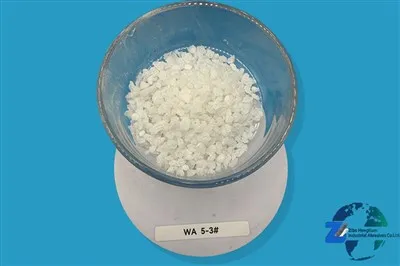
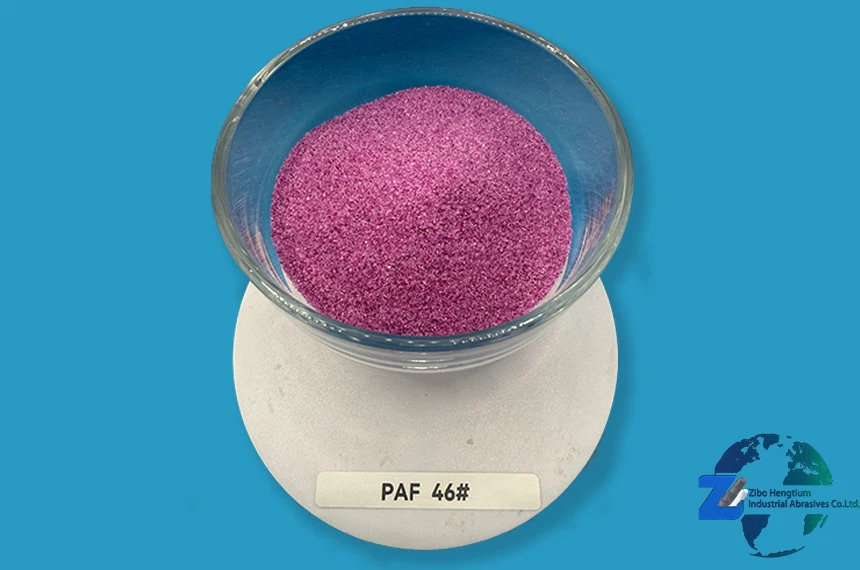
In the field of bonded abrasives, white corundum is widely used in the production of grinding wheels, cutting discs, and honing stones. WA for Bonded Abrasives The wear - resistance of white corundum in bonded abrasives is crucial for maintaining the shape and performance of these tools.
When a grinding wheel is in operation, it is constantly in contact with the workpiece, generating high - speed friction. The white corundum particles in the grinding wheel need to withstand the impact and abrasion forces. Thanks to its wear - resistance, the grinding wheel can maintain a stable grinding performance over a long period. The particles gradually wear down in a controlled manner, exposing new sharp edges, which ensures a consistent grinding quality.

Other Applications
White corundum also finds applications in other fields, such as refractory materials, ceramics, and surface treatment. White Corundum for Other Applications In refractory materials, it can improve the wear - resistance and heat - resistance of the products. In high - temperature environments, white corundum can resist the erosion of molten metals and slags, extending the service life of refractory linings.
In surface treatment, white corundum is used for shot peening and sandblasting. The wear - resistance of white corundum ensures that it can effectively clean and roughen the surface of workpieces without being quickly consumed. This is important for achieving a uniform and high - quality surface finish.
Factors Affecting Wear - Resistance
Although white corundum has excellent wear - resistance, several factors can affect its performance in practical applications.
Particle Size
The particle size of white corundum plays an important role in its wear - resistance. Generally, larger particles have better wear - resistance in some heavy - duty grinding applications. Larger particles can withstand higher impact forces and have a longer service life. However, in some precision grinding or polishing applications, smaller particles are preferred. Smaller particles can provide a smoother surface finish, but they may wear out more quickly due to their relatively lower mechanical strength.
Bonding Strength
In bonded abrasives, the bonding strength between white corundum particles and the bonding agent is crucial. A strong bonding can ensure that the white corundum particles are firmly held in the abrasive tool, preventing premature detachment. If the bonding strength is too weak, the particles may fall off easily during the grinding process, reducing the wear - resistance and performance of the tool.
Operating Conditions
The operating conditions, such as grinding pressure, speed, and the nature of the workpiece material, also affect the wear - resistance of white corundum. Higher grinding pressures and speeds can increase the wear rate of white corundum. When grinding hard and tough materials, the wear of white corundum may be more severe compared to softer materials. Therefore, it is necessary to select the appropriate white corundum products and adjust the operating parameters according to the specific application requirements.
White Fused Alumina Micropowder
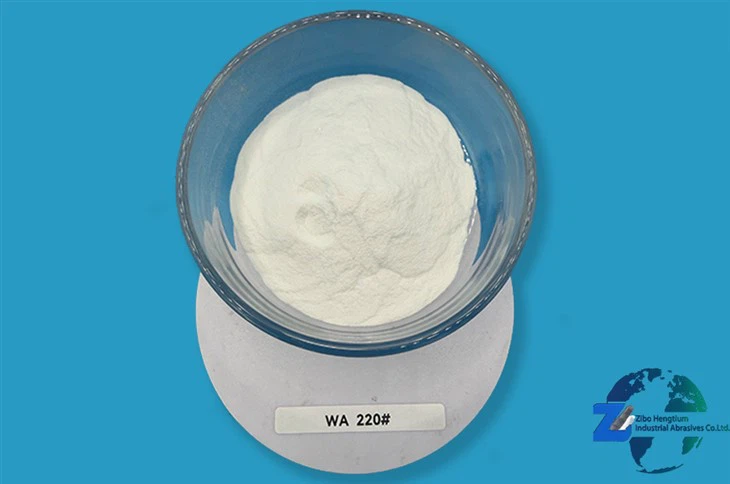
White fused alumina micropowder is a special form of white corundum with finer particle sizes. White Fused Alumina Micropowder It has unique wear - resistance properties and is widely used in high - precision applications, such as optical lens polishing, semiconductor wafer processing, and medical device manufacturing.
The fine particle size of white fused alumina micropowder allows it to provide a very smooth and precise surface finish. Although the individual particles are smaller and may be more vulnerable to wear, the overall wear - resistance of the micropowder in these high - precision applications is still excellent. The uniform particle size distribution and high purity of the micropowder ensure consistent performance and long - term stability.
Conclusion
In conclusion, the wear - resistance properties of white corundum are mainly attributed to its high - purity chemical composition, stable crystal structure, and high hardness. These properties make it a preferred material in a wide range of applications, from abrasive tools to refractory materials and surface treatment. However, the wear - resistance can be affected by factors such as particle size, bonding strength, and operating conditions.
As a supplier of white corundum, we are committed to providing high - quality products with excellent wear - resistance. Our white corundum products are carefully manufactured to meet the diverse needs of different industries. If you are interested in purchasing white corundum for your specific applications, we welcome you to contact us for further discussions and procurement negotiations. We believe that our products can bring you reliable performance and cost - effective solutions.
References
- ASTM International. Standard test methods for abrasion resistance of solid materials. ASTM G65 - 16.
- Schubert, J., & Jahn, M. (2007). Abrasive machining processes: Fundamentals and applications. Springer.
- Malkin, S., & Guo, C. (2008). Grinding technology: Theory and applications of machining with abrasives. Industrial Press Inc.