Hey there! As a supplier of Guideway Grinding Wheels, I often get asked about the grinding speed of these wheels. It's a crucial factor that can significantly impact the efficiency and quality of the grinding process. So, let's dive right in and explore what the grinding speed of a guideway grinding wheel is all about.
First off, what exactly is grinding speed? Well, it's basically how fast the grinding wheel rotates during the grinding operation. This speed is usually measured in surface feet per minute (SFM) or meters per second (m/s). The right grinding speed is super important because it affects everything from the finish of the workpiece to the life of the grinding wheel itself.
When it comes to guideway grinding wheels, the ideal grinding speed depends on a few different things. One of the main factors is the type of material you're grinding. Different materials have different hardness levels and properties, which means they require different grinding speeds. For example, if you're grinding a hard material like steel, you'll probably need a higher grinding speed than if you're working with a softer material like aluminum.
Another factor that influences the grinding speed is the size and design of the grinding wheel. Larger wheels typically require a lower grinding speed to maintain stability and prevent excessive wear. On the other hand, smaller wheels can often handle higher speeds. The design of the wheel, including the type of abrasive grains and the bond that holds them together, also plays a role in determining the optimal grinding speed.
Let's talk a bit more about the impact of grinding speed on the grinding process. If the grinding speed is too low, you might not get the desired material removal rate. This means it'll take longer to grind the workpiece to the right specifications, which can slow down your production process. Plus, a low grinding speed can sometimes lead to a poor surface finish, with more visible scratches and unevenness.
On the flip side, if the grinding speed is too high, it can cause a whole bunch of problems. The wheel can overheat, which can damage the abrasive grains and reduce the wheel's lifespan. High speeds can also generate excessive vibration, which can affect the accuracy of the grinding and cause the workpiece to have dimensional errors. And in some cases, it can even lead to the wheel breaking apart, which is obviously a big safety hazard.
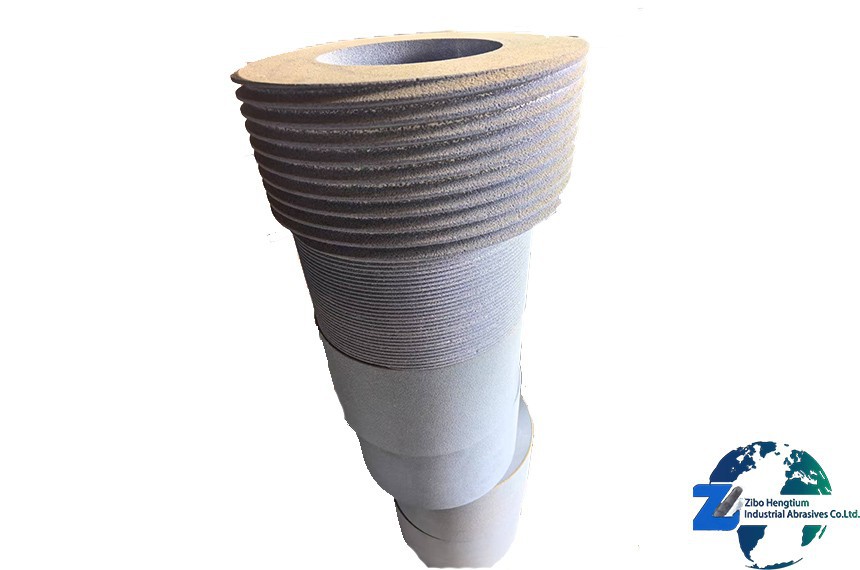

So, how do you figure out the right grinding speed for your guideway grinding wheel? Well, most grinding wheel manufacturers provide recommended speed ranges based on the wheel's specifications and the materials it's designed to grind. You can usually find this information in the product documentation or on the manufacturer's website. It's always a good idea to follow these recommendations as a starting point.
But keep in mind that these are just general guidelines. In real-world applications, you might need to make some adjustments based on your specific setup and requirements. For example, if you're using a different type of grinding machine or if you're aiming for a particular surface finish, you might need to fine-tune the grinding speed.
Now, I want to mention some other types of grinding wheels that we also supply. We have Worm Grinding Wheel, which are specifically designed for grinding worms and other precision components. These wheels are engineered to provide high accuracy and a smooth finish.
We also offer Cylindrical and Surface Grinding Wheels. These wheels are versatile and can be used for a wide range of grinding applications, including cylindrical and surface grinding operations. They're known for their durability and consistent performance.
And if you're in the market for high-precision grinding, our High-Precision Gear Grinding Wheel is a great choice. These wheels are designed to meet the strict requirements of gear grinding, ensuring precise tooth profiles and excellent surface quality.
In conclusion, the grinding speed of a guideway grinding wheel is a critical factor that can make or break your grinding operation. By understanding the factors that influence the speed and following the manufacturer's recommendations, you can optimize your grinding process for better efficiency and quality.
If you're interested in learning more about our guideway grinding wheels or any of our other products, don't hesitate to reach out. We're here to help you find the right solutions for your grinding needs. Whether you're a small workshop or a large manufacturing facility, we have the expertise and products to support your operations.
Let's start a conversation and see how we can work together to improve your grinding processes. Looking forward to hearing from you!
References
- Grinding Technology: Theory and Applications of Machining with Abrasives by Stephen Malkin
- Modern Grinding Technology by Ian S. Jawahir