Hey there! As a supplier of Mounted Points for Hardware Tools, I often get asked about the heat resistance of these little but mighty tools. So, I thought I'd share some insights on this topic.
First off, let's talk about what mounted points are. Mounted points are small grinding or polishing tools that are used in a variety of hardware applications. They come in different shapes, sizes, and abrasive materials, and are typically mounted on a mandrel for use in a rotary tool. These tools are great for precision work, like deburring, shaping, and polishing small parts.
Now, let's dive into the heat resistance aspect. Heat resistance is a crucial factor when it comes to mounted points. When you're using these tools, friction is generated between the abrasive material and the workpiece. This friction can cause heat to build up, and if the mounted point can't handle the heat, it can lead to a few problems.
One of the main issues with poor heat resistance is that the abrasive material can start to break down. When the heat gets too high, the bonds that hold the abrasive grains together can weaken, causing the grains to fall off prematurely. This not only reduces the effectiveness of the mounted point but also shortens its lifespan. You end up having to replace the tool more often, which can be a hassle and an added expense.
Another problem is that excessive heat can cause the workpiece to warp or change its properties. For example, if you're working on a metal part, the heat can cause the metal to harden in some areas or develop stress cracks. This can ruin the quality of the workpiece and make it unusable.
So, what affects the heat resistance of mounted points? Well, there are a few key factors.
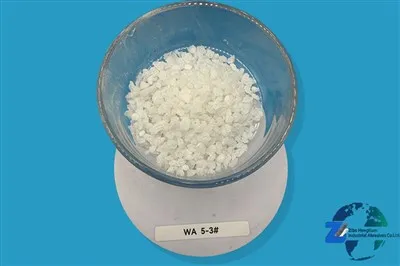
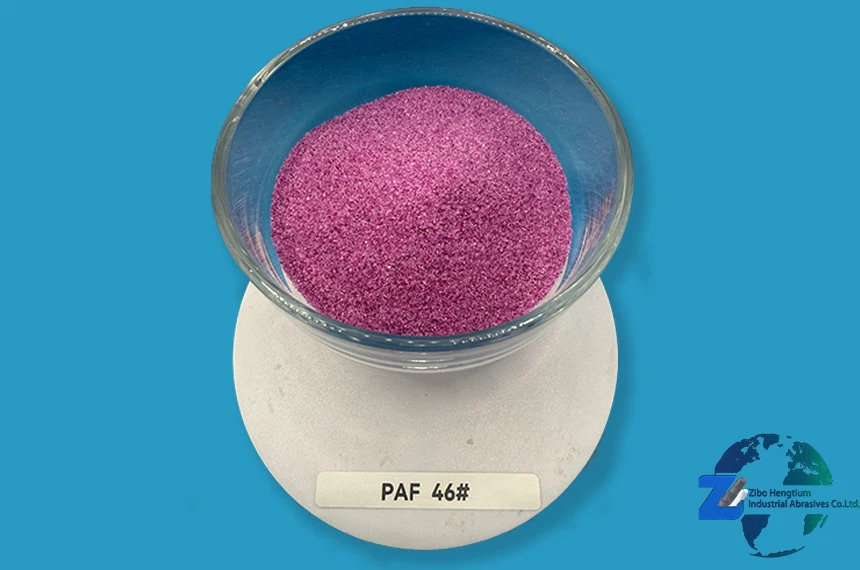
The first is the type of abrasive material. Different abrasives have different heat resistance properties. For instance, aluminum oxide is a common abrasive used in mounted points. It has decent heat resistance and is suitable for a wide range of applications, including grinding and polishing metals and plastics. Silicon carbide, on the other hand, is more heat - resistant than aluminum oxide and is often used for harder materials like ceramics and glass.
The bond type also plays a big role. The bond is what holds the abrasive grains together. There are different types of bonds, such as resin bonds, vitrified bonds, and rubber bonds. Resin - bonded mounted points are relatively flexible and have good heat dissipation properties. They can handle moderate heat levels and are commonly used for general - purpose applications. Vitrified - bonded mounted points are more rigid and have excellent heat resistance. They can withstand higher temperatures and are often used for heavy - duty grinding. Rubber - bonded mounted points are softer and are mainly used for polishing, but they also have some heat - resistant capabilities.
The size and shape of the mounted point can also impact heat resistance. Smaller mounted points tend to generate less heat because there is less surface area in contact with the workpiece. The shape can also affect how the heat is distributed. For example, a pointed mounted point may concentrate the heat more at the tip, while a flat - faced one may distribute it more evenly.
As a supplier, we offer a wide range of mounted points with different heat - resistant properties to meet various customer needs. For example, if you're looking for mounted points for stainless steel polishing, we have some great options. Check out our Mounted Points for Stainless Steel Polishing. Stainless steel is a tough material, and it can generate a fair amount of heat during the polishing process. Our mounted points for stainless steel are designed with heat - resistant abrasives and bonds to ensure long - lasting performance.
If you're working on ductile iron, we've got you covered too. Ductile iron has its own set of challenges when it comes to polishing, and heat management is crucial. Our Mounted Points for Ductile Iron Polishing are specifically engineered to handle the heat generated during the polishing of ductile iron, providing a smooth and efficient finish.
For precision casting polishing, precision is key, and heat can easily throw off the accuracy of the work. Our Mounted Points for Precision Casting Polishing are made with high - quality, heat - resistant materials to ensure that you can achieve the perfect finish without worrying about heat - related issues.
When choosing a mounted point for your project, it's important to consider the heat - generating factors of the application. Think about the material of the workpiece, the speed at which you'll be using the tool, and the pressure you'll be applying. If you're not sure which mounted point is right for you, don't hesitate to reach out to us. We have a team of experts who can help you select the best tool based on your specific requirements.
In addition to choosing the right mounted point, there are also some best practices you can follow to manage heat. One is to use coolant or lubricant. This can help reduce the friction between the mounted point and the workpiece, which in turn reduces the heat generation. You can also take breaks during the operation to let the tool and the workpiece cool down.
Another thing is to adjust the speed and pressure of the tool. Using a lower speed and pressure can generate less heat. However, you need to find the right balance because if the speed is too low or the pressure is too light, the tool may not be as effective.
To sum it up, heat resistance is a vital characteristic of mounted points for hardware tools. By understanding the factors that affect heat resistance and choosing the right tool for your application, you can ensure better performance, longer tool life, and higher - quality work.
If you're in the market for mounted points and want to discuss your needs further, we're here to help. Whether you're a professional in the hardware industry or a DIY enthusiast, we can provide you with the right solutions. Don't hesitate to contact us for more information or to start a procurement discussion. We're looking forward to working with you!
References


- "Handbook of Abrasive Technology", various authors
- Industry research reports on abrasive tools