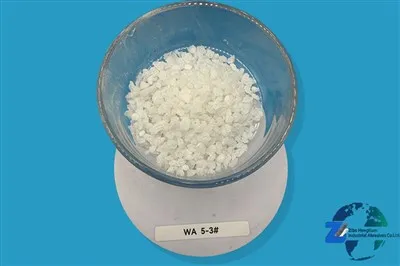
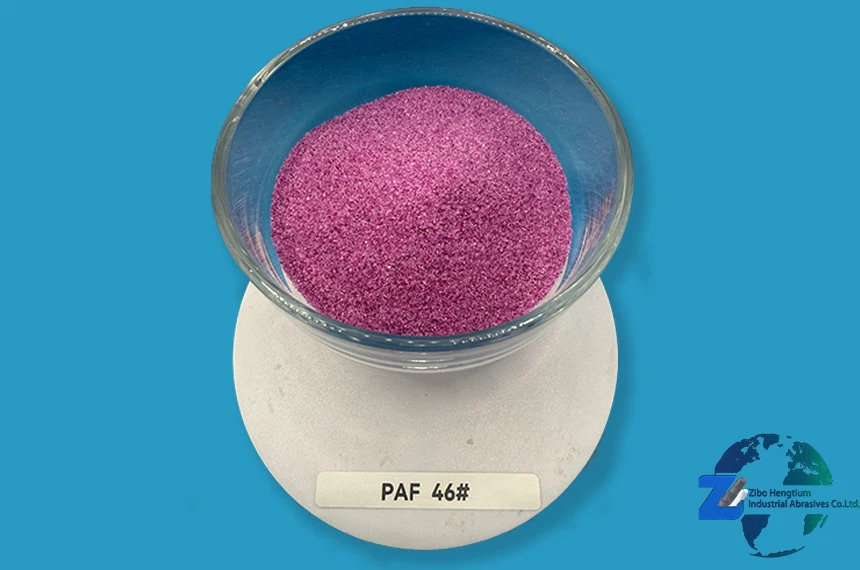
Hey there! As a supplier of Chrome Corundum for Polishing, I often get asked about the recommended polishing time when using our product. It's a crucial question because getting the polishing time right can make a huge difference in the quality of the final result. So, let's dive into this topic and break it down.


First off, what is chrome corundum? Chrome corundum is a high - quality abrasive material. It's known for its hardness, sharpness, and excellent cutting ability. We offer different types of chrome corundum products, like Chrome Corundum for Processing and Chrome Corundum for Grindings, but today we're focusing on the one for polishing.
The recommended polishing time isn't a one - size - fits - all answer. It depends on several factors. One of the most important factors is the material you're polishing. Different materials have different hardness levels and surface characteristics, which means they'll require different amounts of time to achieve a good polish.
For example, if you're polishing a soft material like aluminum, the polishing time will generally be shorter compared to a harder material like stainless steel. Aluminum is relatively easy to work with, and you can usually achieve a smooth finish in a relatively short period. On the other hand, stainless steel is much harder, and it may take longer to remove scratches and achieve a mirror - like finish. You might need to spend anywhere from 15 minutes to an hour or more, depending on the initial condition of the surface.
Another factor that affects the polishing time is the initial surface condition. If the surface is already relatively smooth and has only minor scratches, you won't need to spend as much time polishing as you would if the surface is rough with deep scratches. For a surface with just a few light scratches, you could potentially get a good polish in 5 - 10 minutes. But if there are deep gouges or a lot of rough areas, you might be looking at 30 minutes to several hours of polishing.
The grit size of the chrome corundum also plays a role. We offer chrome corundum in different grit sizes, and each grit is designed for a specific stage of the polishing process. Coarser grits are used for the initial rough polishing to remove large scratches and unevenness. This stage usually takes a bit longer because you're doing more aggressive material removal. Finer grits are then used for the final finishing touches to achieve a smooth, shiny surface. The time spent on each grit size will vary. You might spend 10 - 20 minutes on a coarser grit and then 5 - 10 minutes on each successive finer grit.
The pressure applied during polishing is yet another factor. Applying too much pressure can cause over - heating and damage to the surface, while too little pressure won't be effective in removing scratches. You need to find the right balance. If you apply the right amount of pressure, you can reduce the overall polishing time. However, if you're not careful with the pressure, you might end up spending more time trying to correct any damage caused.
Let's talk about some general guidelines for different types of applications. In the automotive industry, when polishing car body panels, you'll typically start with a coarser grit chrome corundum to remove any paint imperfections or scratches. This initial stage might take around 15 - 20 minutes per panel. Then, you'll move on to finer grits for the final polish, which could take another 10 - 15 minutes per panel.
In the jewelry industry, where precision and a high - quality finish are crucial, the polishing process can be more time - consuming. For a small piece of jewelry like a ring, you might spend 10 - 15 minutes on the initial rough polishing and then another 10 - 15 minutes on the final fine polishing. Larger pieces or more complex designs could take significantly longer.
In industrial applications, such as polishing machine parts, the time can vary widely depending on the size and complexity of the part. A small, simple part might take 10 - 15 minutes, while a large, intricate part could take several hours.
It's also important to note that the polishing equipment you use can affect the time. High - quality, powerful polishing machines can often reduce the polishing time compared to manual polishing. However, you still need to follow the proper techniques and use the right grit sizes to get the best results.
Now, you might be wondering how to determine when you've polished enough. One way is to visually inspect the surface. Look for a consistent shine and the absence of visible scratches. You can also run your finger over the surface. If it feels smooth and there are no rough spots, you're probably on the right track. Another method is to use a surface roughness tester, which can give you a more accurate measurement of the surface smoothness.
As a supplier of Chrome Corundum for Polishing, we're here to help you get the most out of our product. We can provide you with more detailed advice based on your specific application. If you're unsure about which grit size to use or how long to polish, just reach out to us. We have a team of experts who can answer your questions and guide you through the process.
Whether you're a professional in a large - scale industrial setting or a hobbyist working on a small project, our chrome corundum can help you achieve great results. And if you're interested in purchasing our products, we're always ready to have a chat about your needs. We can discuss the best products for your application, pricing, and delivery options. So, don't hesitate to get in touch if you're looking to take your polishing projects to the next level.
In conclusion, the recommended polishing time when using chrome corundum depends on multiple factors, including the material, initial surface condition, grit size, pressure, and application. By understanding these factors and following the right techniques, you can optimize the polishing process and achieve excellent results.
References
- Abrasive Technology Handbook
- Surface Finishing Techniques in Manufacturing