

In the field of industrial abrasives and refractory materials, Brown Fused Aluminum Oxide and white fused alumina are the most widely used synthetic corundum materials. Both belong to the alumina family, but they differ significantly in raw material sources, physical properties, application industries, and cost structures. This article will systematically compare them in terms of composition, performance, uses, and market applications to help purchasers and engineers make more informed choices.
What is Brown Fused Aluminum Oxide?
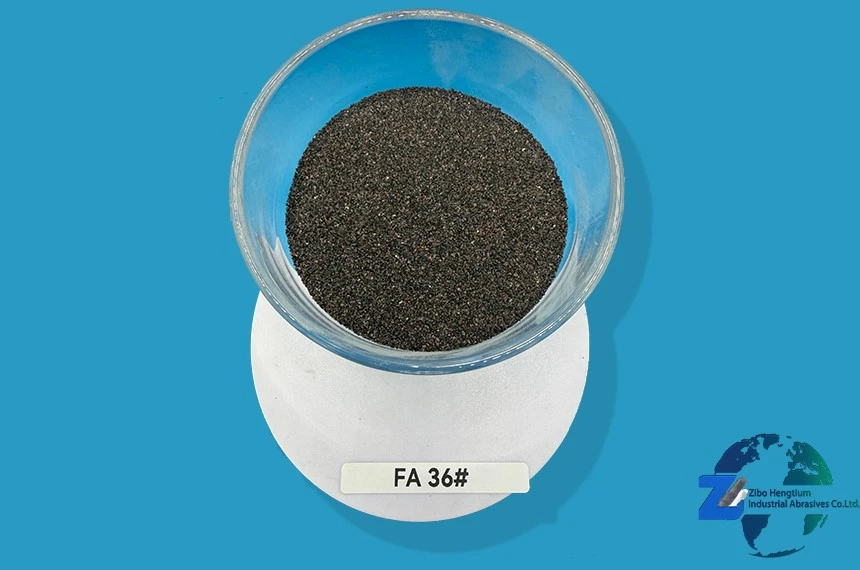
Brown Fused Aluminum Oxide (BFA) is an abrasive material made from high-quality bauxite as the main raw material, which is smelted at high temperature in an electric arc furnace, then cooled, crushed, and screened.
Key Features:
Al₂O₃ Content: Approximately 95% (Ordinary Grade)
High Hardness (Mohs Hardness 9)
Good Toughness and Strong Impact Resistance
Relatively Low Cost
Suitable for High-Intensity Grinding and Sandblasting
Typical Applications:
Sandblasting for Rust Removal
Metal Surface Treatment
Grinding Wheel Manufacturing
Refractory Castables
Steelmaking Furnace Lining Materials
Due to its combination of wear resistance and economy, brown molten alumina is widely used in industries such as steel, casting, shipbuilding, and automobile manufacturing.
What is white fused alumina?

White fused alumina (WFA) is made from industrial alumina powder through high-temperature melting in an electric arc furnace.
Main characteristics:
Al₂O₃ content ≥99%
Higher hardness
Good self-sharpening properties
Low impurity content
Strong cutting ability
Typical applications:
Precision polishing
Stainless steel machining
Optical glass treatment
Ceramic grinding
Electronic component processing
Due to its high purity and sharp cutting edge, white fused alumina is suitable for precision machining industries with high surface quality requirements.
III.Differences in Raw Materials and Purity
White fused alumina uses high-purity alumina powder with low impurity content, resulting in its pure white color; while Brown Fused Aluminum Oxide contains small amounts of iron, silicon, and other elements, giving it a brownish-red appearance.
Performance Differences
Brown Fused Aluminum Oxideis more impact-resistant and suitable for high-load grinding.
White fused alumina is sharper and suitable for fine grinding.
Cost and Cost-Effectiveness
In large-scale sandblasting or refractory material applications, Brown Fused Aluminum Oxidehas a cost advantage; while in high-end electronics and precision manufacturing, white fused alumina has a technological advantage.
IV. How to Choose the Right Abrasive Material?
In the actual procurement process, the following factors should be considered:
Material of the object being processed (carbon steel, stainless steel, glass, etc.)
Surface roughness requirements
Budget cost
Recyclability
Environmental protection and dust control requirements
For sandblasting and rust removal of steel structures, Brown Fused Aluminum Oxideis recommended; for medical device or precision mold processing, white fused alumina is suggested.
Overall, Brown Fused Aluminum Oxideand white fused alumina each have their advantages:
Brown Fused Aluminum Oxideis preferred for heavy-duty processing.
White fused alumina is preferred for high-precision processing.
When choosing, companies should conduct a comprehensive evaluation based on the application scenario and cost structure. Appropriate material selection can not only improve processing efficiency but also effectively control production costs.
If you need detailed technical parameters (particle size standards, bulk density, chemical composition test reports, etc.), it is recommended to communicate with professional manufacturers to ensure that the product meets the actual working conditions.


