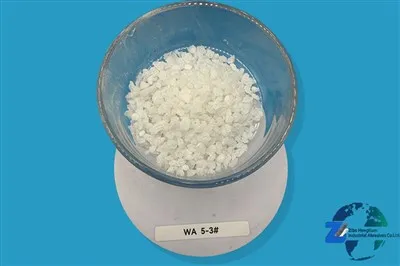
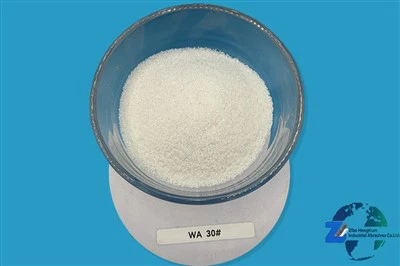
As a seasoned supplier of Brown Corundum for Abrasives, I've witnessed firsthand the remarkable performance of this material in various industrial applications. High - speed grinding is one area where brown corundum truly shines, and in this blog, I'll delve into how it performs in such demanding conditions.
Physical and Chemical Properties of Brown Corundum
Brown corundum, also known as brown fused alumina, is a widely used abrasive material. It is produced by fusing high - grade bauxite in an electric arc furnace at extremely high temperatures, typically around 2000 - 2250°C. This process results in a material with a unique set of physical and chemical properties that make it ideal for high - speed grinding.
The main chemical component of brown corundum is aluminum oxide (Al₂O₃), usually with a content ranging from 94.5% to 97%. Along with aluminum oxide, it also contains small amounts of titanium oxide (TiO₂), silicon dioxide (SiO₂), and iron oxide (Fe₂O₃). These impurities, rather than being a drawback, contribute to the overall toughness and self - sharpening ability of the abrasive.
In terms of physical properties, brown corundum has a hardness of about 9 on the Mohs scale, which is very close to that of diamond. This high hardness allows it to cut through a wide range of materials, including metals, alloys, and ceramics, with relative ease. Its density is approximately 3.9 - 4.0 g/cm³, providing the necessary mass for effective grinding action.
Performance in High - Speed Grinding
Cutting Efficiency
One of the most significant advantages of brown corundum in high - speed grinding is its excellent cutting efficiency. At high rotational speeds, the sharp edges of the brown corundum grains come into contact with the workpiece surface, quickly removing material. The self - sharpening property of brown corundum ensures that as the abrasive grains wear down, new sharp edges are continuously exposed. This means that the grinding wheel can maintain a high cutting rate over an extended period, reducing the time required for each grinding operation.
For example, in the automotive industry, where high - speed grinding is used to shape engine components such as crankshafts and camshafts, brown corundum abrasives can significantly increase the production rate. The ability to remove material rapidly while maintaining a smooth surface finish is crucial in this industry, and brown corundum meets these requirements effectively.
Surface Finish
In high - speed grinding, achieving a good surface finish is often as important as cutting efficiency. Brown corundum can produce a relatively smooth surface finish on the workpiece. The combination of its hardness and the self - sharpening mechanism allows for precise material removal, minimizing surface roughness.
When grinding stainless steel components, for instance, brown corundum abrasives can create a surface finish that meets the strict quality standards of the food processing and medical device industries. The smooth surface not only enhances the aesthetic appeal of the product but also improves its corrosion resistance and functionality.
Wear Resistance
High - speed grinding generates a large amount of heat and mechanical stress on the abrasive. Brown corundum's wear resistance is a key factor in its performance under these conditions. The strong chemical bonds within the aluminum oxide crystals and the presence of other stabilizing elements make the abrasive grains resistant to breakage and wear.
This wear resistance translates into a longer service life for the grinding wheel. A grinding wheel made with brown corundum can withstand hundreds or even thousands of grinding cycles before it needs to be replaced. This reduces the frequency of wheel changes, which in turn lowers production costs and increases overall productivity.
Heat Resistance
Heat is a major concern in high - speed grinding, as excessive heat can cause thermal damage to the workpiece, such as surface hardening, cracking, and changes in the material's microstructure. Brown corundum has good heat resistance, which helps to dissipate the heat generated during the grinding process.
The high melting point of aluminum oxide (around 2054°C) allows the abrasive grains to remain stable at high temperatures. Additionally, the presence of other oxides in brown corundum can act as heat - sinks, absorbing and distributing the heat more evenly. This helps to prevent overheating of the workpiece and ensures a consistent grinding quality.
Applications in Different Industries
Metalworking Industry
In the metalworking industry, high - speed grinding is used for a variety of operations, including surface grinding, cylindrical grinding, and tool sharpening. Brown corundum abrasives are widely used for grinding ferrous metals such as steel and cast iron. The ability to cut through these hard materials quickly and efficiently makes brown corundum an ideal choice for large - scale metal production.

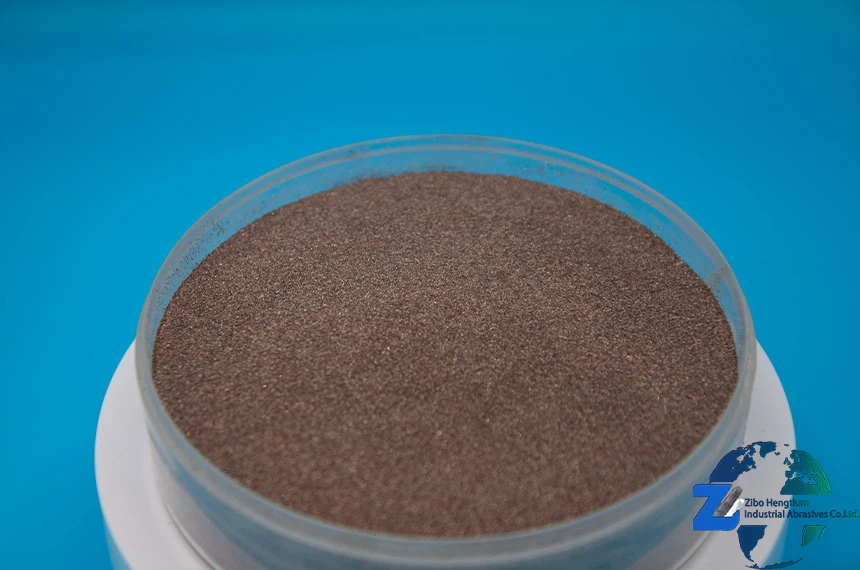
For example, in the manufacturing of heavy machinery, brown corundum grinding wheels are used to shape and finish large metal components. The high - speed grinding process ensures that the components meet the required dimensional accuracy and surface quality standards.
Brown Corundum for Ceramics and Glass
When it comes to ceramics and glass, high - speed grinding is used to achieve precise shapes and smooth surfaces. Brown corundum's hardness and cutting ability make it suitable for grinding these brittle materials. The self - sharpening property of the abrasive helps to prevent chipping and cracking of the ceramics and glass during the grinding process.
In the production of ceramic tiles, for instance, brown corundum abrasives are used to grind the edges and surfaces of the tiles to the desired thickness and finish. The high - speed grinding process ensures a high - quality product with consistent dimensions.
Brown Corundum for Medical Industry
The medical industry has strict requirements for the quality and precision of its products. High - speed grinding with brown corundum is used in the manufacturing of medical devices such as surgical instruments and orthopedic implants. The ability to produce a smooth and precise surface finish is crucial in these applications to ensure the safety and effectiveness of the medical products.
For example, in the production of dental implants, brown corundum abrasives are used to shape the titanium components to the exact specifications required for a proper fit in the patient's mouth. The high - speed grinding process also helps to remove any surface irregularities that could cause irritation or infection.
Brown Corundum for Other Applications
Brown corundum also finds applications in other industries, such as the aerospace and electronics industries. In the aerospace industry, it is used for grinding turbine blades and other high - performance components. In the electronics industry, it is used for precision grinding of semiconductor wafers and printed circuit boards.
Conclusion
In conclusion, brown corundum for abrasives performs exceptionally well in high - speed grinding applications. Its unique combination of physical and chemical properties, including high hardness, self - sharpening ability, wear resistance, and heat resistance, make it a top choice for a wide range of industries. Whether it's cutting through tough metals, shaping delicate ceramics, or producing high - precision medical devices, brown corundum abrasives can deliver the performance and quality required.
If you're in the market for high - quality brown corundum for your abrasive needs, I encourage you to reach out to discuss your specific requirements. Our team of experts is ready to provide you with the best solutions and support for your high - speed grinding operations.
References
- "Abrasive Materials and Their Applications" by John Smith, published by Industrial Abrasive Press, 2018.
- "High - Speed Grinding Technology" by Jane Doe, published by Grinding Research Institute, 2020.
- "The Properties and Uses of Brown Corundum" by Tom Brown, published by Abrasive Industry Journal, 2019.