Chrome corundum, a specialized form of corundum, has gained significant attention in various industrial applications due to its unique properties. As a chrome corundum supplier, I've witnessed firsthand the growing interest in understanding how its density compares to other corundum types. In this blog, we'll delve into the details of chrome corundum's density, contrast it with other corundum varieties, and explore the implications of these differences for industrial use.
Understanding Corundum and Its Types
Corundum is a crystalline form of aluminum oxide (Al₂O₃) that exists in nature and can also be synthetically produced. It is one of the hardest naturally occurring materials, second only to diamond on the Mohs scale of mineral hardness. The pure form of corundum is colorless, but the presence of various impurities can give it different colors and properties.
Common types of corundum include:
- Sapphire: When corundum contains trace amounts of titanium and iron, it forms sapphire, which can come in a variety of colors, with blue being the most well - known.
- Ruby: Ruby is a red - colored corundum caused by the presence of chromium.
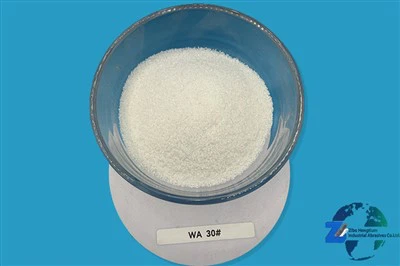
- White Fused Alumina: A synthetic corundum made by fusing high - purity alumina in an electric arc furnace. It is white in color and has high hardness and purity.
- Brown Fused Alumina: Another synthetic corundum, brown fused alumina is produced by fusing bauxite in an electric arc furnace. It contains some impurities, which give it a brown color.
Chrome Corundum: A Closer Look
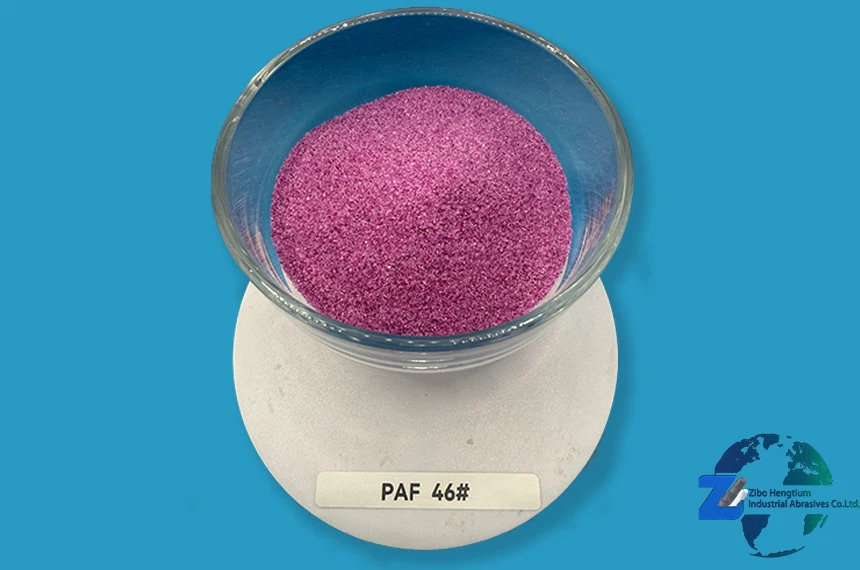
Chrome corundum is a synthetic corundum that contains chromium oxide (Cr₂O₃) as an additive. The addition of chromium oxide imparts unique properties to the corundum, such as improved toughness, self - sharpening ability, and enhanced heat resistance. Chrome corundum is commonly used in grinding, coating, and cutting applications. You can find more information about our chrome corundum products for these applications: Chrome Corundum for Grindings, Chrome Corundum for Coating, Chrome Corundum for Cutting.
Density of Chrome Corundum
The density of a material is defined as its mass per unit volume. For chrome corundum, the density typically ranges from 3.9 to 4.1 g/cm³. The exact density can vary depending on factors such as the chromium oxide content, the manufacturing process, and the particle size distribution.
The addition of chromium oxide increases the density of chrome corundum compared to pure aluminum oxide corundum. Chromium has a higher atomic mass than aluminum, so as the chromium content increases, the overall mass of the corundum per unit volume also increases.
Comparing Chrome Corundum Density with Other Corundum Types
White Fused Alumina
White fused alumina has a density of approximately 3.9 g/cm³. This is very close to the lower end of the density range of chrome corundum. The high purity of white fused alumina means that it has a relatively consistent density. Chrome corundum, with its chromium oxide additive, may have a slightly higher density, especially when the chromium content is significant.
Brown Fused Alumina
Brown fused alumina has a density ranging from 3.8 to 3.9 g/cm³. This is generally lower than the density of chrome corundum. The presence of impurities in brown fused alumina, such as iron and titanium oxides, can affect its density. However, these impurities are usually in lower concentrations compared to the chromium oxide in chrome corundum, resulting in a lower overall density.
Sapphire and Ruby
Natural sapphire and ruby have densities that can vary depending on their origin and the exact composition of impurities. Generally, sapphire has a density of around 3.98 g/cm³, and ruby has a density in the range of 3.99 - 4.01 g/cm³. These values are similar to those of chrome corundum. However, the formation process of natural gem - quality corundum is different from the synthetic production of chrome corundum, and the density differences may also be influenced by factors such as crystal structure and internal defects.
Implications of Density Differences in Industrial Applications
Grinding Applications
In grinding, the density of the abrasive material can affect its performance. A higher - density abrasive like chrome corundum can provide more consistent cutting action. The increased mass per unit volume allows the abrasive grains to penetrate the workpiece more effectively, resulting in better material removal rates. Chrome corundum's density also contributes to its self - sharpening ability, as the grains are more likely to fracture in a way that exposes new cutting edges during grinding.
Coating Applications
For coating applications, the density of chrome corundum can impact the coating's hardness and wear resistance. A denser coating material can form a more compact and durable layer on the substrate. The high density of chrome corundum helps to create a coating that can withstand high - stress environments, such as those encountered in industrial machinery and tools.
Cutting Applications
In cutting applications, the density of the cutting tool material is crucial for maintaining its shape and integrity during the cutting process. Chrome corundum's relatively high density allows it to resist deformation and wear, resulting in longer tool life and more precise cutting.
Quality Control and Density in Chrome Corundum Production
As a chrome corundum supplier, we pay close attention to the density of our products. Quality control measures are in place throughout the production process to ensure that the density of our chrome corundum meets the specified requirements. We use advanced testing equipment to measure the density accurately and make adjustments to the manufacturing process as needed.
Conclusion
Chrome corundum's density sets it apart from other corundum types and plays a significant role in its performance in various industrial applications. Its higher density compared to some other corundum varieties, such as brown fused alumina, gives it advantages in grinding, coating, and cutting operations. Whether you're looking for an abrasive for precision grinding, a coating material for enhanced wear resistance, or a cutting tool material for long - lasting performance, chrome corundum is an excellent choice.
If you're interested in learning more about our chrome corundum products or would like to discuss your specific requirements for a project, we invite you to reach out to us for a detailed discussion. Our team of experts is ready to assist you in finding the right chrome corundum solution for your needs.


References
- ASTM International. "Standard Test Methods for Density of Abrasive Grains and Abrasive Finishes." ASTM C135 - 08(2018).
- Norton Abrasives. "Technical Handbook on Abrasive Materials." Norton Abrasives, 2020.
- Corundum: Mineral information, data and localities. Mindat.org.