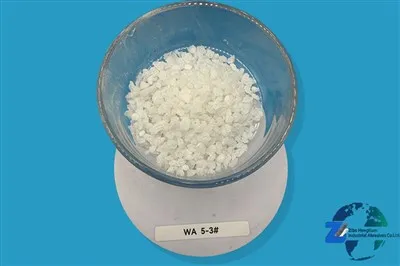
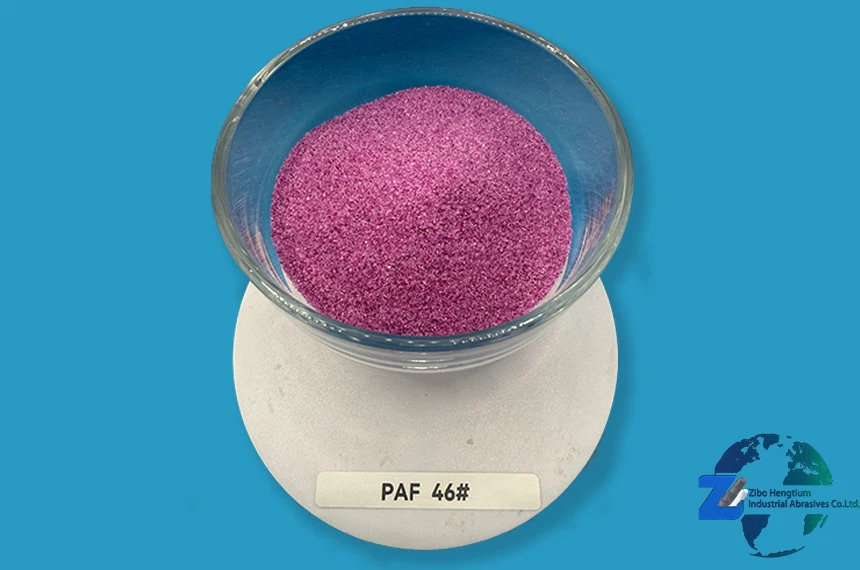
As a supplier of White Corundum for Abrasives, ensuring the high - quality of our products is of utmost importance. Quality control during the production of white corundum for abrasives is a multi - step process that involves careful attention to every aspect of manufacturing, from raw material selection to the final packaging.
Raw Material Inspection
The first and most crucial step in quality control is the inspection of raw materials. White corundum is primarily made from high - purity alumina powder. We source our raw materials from trusted suppliers who have a proven track record of providing high - quality products.
Upon arrival at our facility, the raw alumina powder undergoes a series of tests. We check the chemical composition of the powder using advanced analytical techniques such as X - ray fluorescence (XRF). This method allows us to accurately determine the percentage of alumina and other impurities present in the powder. For white corundum used in abrasives, a high alumina content (usually above 99%) is required, as impurities can affect the hardness and cutting performance of the final product.
In addition to chemical analysis, we also assess the physical properties of the raw powder, including particle size distribution. A consistent particle size is essential for ensuring uniform melting and crystallization during the production process. We use laser diffraction particle size analyzers to measure the particle size of the alumina powder, and only accept batches that meet our strict specifications.
Melting Process Control
The melting process is a key stage in the production of white corundum. We use electric arc furnaces to melt the alumina powder at extremely high temperatures (around 2050 - 2200°C). During this process, strict control of temperature, power input, and melting time is necessary to ensure the formation of high - quality white corundum crystals.
We use thermocouples and pyrometers to monitor the temperature inside the furnace continuously. Any deviation from the set temperature range can lead to incomplete melting or the formation of unwanted crystal structures, which will degrade the quality of the final product. The power input to the furnace is also carefully regulated to maintain a stable and efficient melting process.
The melting time is another critical factor. We have established optimal melting time based on the quantity and quality of the raw materials. Over - melting can cause excessive evaporation of certain elements, while under - melting will result in un - melted alumina powder remaining in the product. By closely controlling these parameters, we can produce white corundum with a consistent and high - quality crystal structure.
Crystallization and Cooling
After melting, the molten alumina needs to be crystallized and cooled properly. We use a controlled cooling process to ensure the formation of large - sized, well - formed crystals. The cooling rate affects the crystal size and the internal stress of the white corundum.
A slow and uniform cooling rate is preferred to allow the crystals to grow steadily and reduce internal stress. We use specialized cooling systems that can precisely control the cooling process. This helps to produce white corundum with high hardness and good fracture toughness, which are essential properties for abrasive applications.
Crushing and Screening
Once the white corundum has solidified, it is crushed into smaller particles using crushers. The crushing process is carefully controlled to avoid over - crushing or generating excessive fines. We use different types of crushers, such as jaw crushers and cone crushers, depending on the required particle size.
After crushing, the white corundum particles are screened to separate them into different size fractions. We use vibrating screens with a series of sieves of different mesh sizes. This ensures that each size fraction meets the strict size specifications required by our customers. For abrasive applications, the particle size distribution directly affects the cutting performance and surface finish of the abrasive tools.
Quality Testing of the Final Product
The final step in the quality control process is the comprehensive testing of the white corundum product. We conduct a wide range of tests to ensure that the product meets or exceeds industry standards and customer requirements.


Chemical Analysis
We repeat the chemical analysis of the final product to confirm its purity and the absence of harmful impurities. This is crucial as even a small amount of impurities can affect the performance and durability of abrasive tools.
Physical Property Testing
The physical properties of the white corundum, such as hardness, density, and specific gravity, are also measured. Hardness is measured using the Mohs scale or more advanced hardness testing machines. A high - hardness white corundum is desirable for abrasive applications as it can cut through hard materials more effectively.
The density and specific gravity of the product are important indicators of its internal structure and quality. Deviations from the standard values may indicate the presence of voids or other structural defects.
Abrasive Performance Testing
We also conduct abrasive performance tests on the white corundum. This involves using the product to make test abrasive tools, such as grinding wheels or sandpaper, and then evaluating their cutting efficiency, wear resistance, and surface finish on test workpieces. Only products that pass these performance tests are allowed to be shipped to our customers.
Applications of White Corundum
White Corundum's excellent properties make it suitable for a wide range of applications. Besides abrasives, it is also used in other fields. For example, White Corundum for Electronics and Optics takes advantage of its high purity and electrical insulation properties. In the electronics industry, it can be used as substrates for integrated circuits or as polishing materials for optical components.
White Corundum for Ceramics and Glass is used to enhance the hardness and heat resistance of ceramic products. In the glass industry, it can be used for grinding and polishing glass surfaces to achieve high - precision finishes.
There are also White Corundum for Other Applications, such as in refractory materials, where its high melting point and chemical stability are highly valued.
Conclusion
Quality control is a continuous and integrated process throughout the production of white corundum for abrasives. By strictly adhering to our quality control procedures, from raw material inspection to final product testing, we can ensure that our white corundum products have consistent and high - quality performance.
If you are interested in purchasing high - quality White Corundum for Abrasives or have any questions about our products, we welcome you to contact us for further discussions. We are committed to providing you with the best products and services to meet your specific needs.
References
- ASTM International. Standards related to abrasive materials.
- Various research papers on the production and properties of white corundum in materials science journals.