As a seasoned grinding wheel supplier, I've witnessed firsthand the critical role that wheel truing plays in the grinding process. Truing a grinding wheel is not just a routine maintenance task; it's a fundamental step that can significantly impact the quality, efficiency, and cost-effectiveness of grinding operations. In this blog, I'll delve into the purposes of truing a grinding wheel and explain why it's essential for achieving optimal results.
1. Restoring Wheel Geometry
One of the primary purposes of truing a grinding wheel is to restore its original geometry. During the grinding process, the wheel's surface gradually wears down, causing it to lose its shape. This wear can result in uneven cutting, poor surface finish, and inaccurate dimensions. By truing the wheel, we can remove the worn material and restore the wheel's correct shape, ensuring that it cuts uniformly and produces accurate results.
For example, in cylindrical and surface grinding operations, a precisely shaped wheel is crucial for achieving the desired surface finish and dimensional accuracy. A wheel that is out of round or has an uneven surface can cause chatter, vibration, and inconsistent cutting, leading to poor part quality. Truing the wheel helps to eliminate these issues by restoring its proper geometry, allowing for smooth and efficient grinding.
You can explore our range of Cylindrical and Surface Grinding Wheels to find the right wheel for your specific application.
2. Improving Wheel Cutting Performance
Truing a grinding wheel also helps to improve its cutting performance. As the wheel wears, the abrasive grains become dull and lose their cutting ability. This can result in increased cutting forces, longer grinding times, and poor surface finish. By truing the wheel, we can expose fresh, sharp abrasive grains, which improves the wheel's cutting efficiency and reduces the amount of force required to grind the workpiece.
In addition, truing can help to remove any debris or chips that may have become embedded in the wheel's surface. These contaminants can interfere with the cutting process and cause the wheel to wear unevenly. By removing them, we can ensure that the wheel cuts cleanly and efficiently, resulting in a better surface finish and longer wheel life.
3. Enhancing Surface Finish
Another important purpose of truing a grinding wheel is to enhance the surface finish of the workpiece. A well-trued wheel produces a smoother, more consistent surface finish, which is essential for many applications. In industries such as aerospace, automotive, and medical, where precision and quality are critical, a high-quality surface finish can make a significant difference in the performance and reliability of the final product.
Truing the wheel helps to ensure that the abrasive grains are evenly distributed across the wheel's surface, which results in a more uniform cutting action. This, in turn, produces a smoother surface finish with fewer scratches and imperfections. By achieving a better surface finish, we can reduce the need for additional finishing operations, such as polishing or buffing, which can save time and money.
4. Reducing Wheel Wear
Truing a grinding wheel can also help to reduce wheel wear. When a wheel is out of balance or has an uneven surface, it can cause excessive vibration and stress, which can lead to premature wear and failure. By truing the wheel, we can ensure that it rotates smoothly and evenly, reducing the amount of stress on the wheel and extending its lifespan.
In addition, truing can help to prevent the wheel from becoming clogged with debris or chips. When a wheel becomes clogged, it can lose its cutting ability and cause the workpiece to overheat, which can damage both the wheel and the workpiece. By keeping the wheel clean and free of debris, we can ensure that it cuts efficiently and lasts longer.
5. Ensuring Safety
Finally, truing a grinding wheel is essential for ensuring safety in the workplace. A worn or damaged wheel can pose a significant safety hazard, as it can break or shatter during operation, causing serious injury to the operator or other personnel. By truing the wheel regularly, we can ensure that it is in good condition and safe to use.
In addition, truing can help to prevent the wheel from becoming out of balance, which can cause excessive vibration and instability. This can lead to the wheel coming loose or flying off the spindle, which can be extremely dangerous. By keeping the wheel balanced and stable, we can reduce the risk of accidents and ensure a safe working environment.
Conclusion
In conclusion, truing a grinding wheel is a critical step in the grinding process that can significantly impact the quality, efficiency, and safety of your operations. By restoring the wheel's geometry, improving its cutting performance, enhancing the surface finish, reducing wheel wear, and ensuring safety, truing can help you achieve optimal results and maximize the lifespan of your grinding wheels.

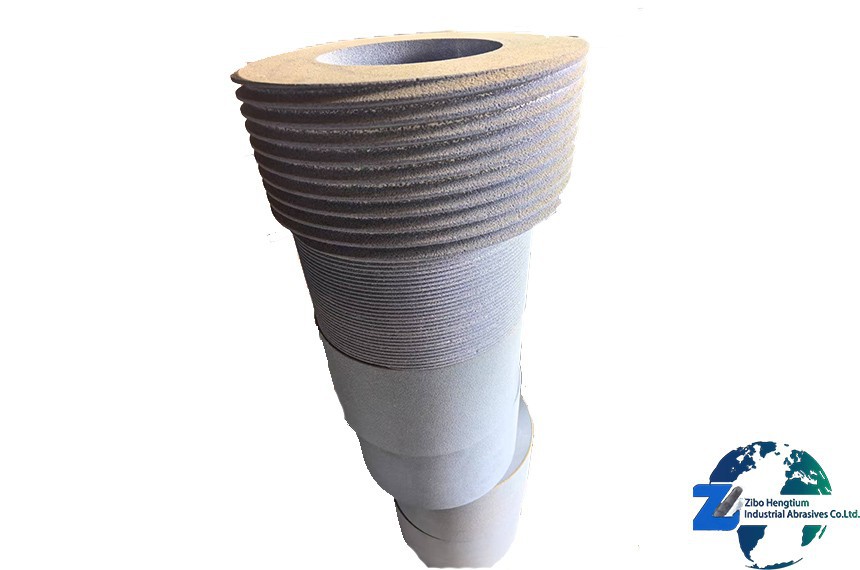
If you're looking for high-quality grinding wheels and expert advice on wheel truing and maintenance, look no further. We offer a wide range of Cylindrical and Surface Grinding Wheels, Worm Grinding Wheels, and High-Performance Tool Grinding Wheels to meet your specific needs. Contact us today to learn more about our products and services and to discuss your grinding requirements.
References
- "Grinding Wheel Truing and Dressing," Industrial Grinding Association.
- "The Importance of Wheel Truing in Grinding Operations," Precision Grinding Magazine.
- "Best Practices for Grinding Wheel Maintenance," Grinding Technology Journal.