When it comes to the world of cutting tools, the importance of a high - quality cutter grinding wheel cannot be overstated. As a supplier of cutter grinding wheels, I've witnessed firsthand how the right choice of grinding wheel can significantly enhance the performance, longevity, and precision of cutting tools. In this blog, I'll share some key factors to consider when choosing the right cutter grinding wheel.
Abrasive Material
The abrasive material is the heart of a grinding wheel. Different abrasive materials have distinct properties, which make them suitable for various applications.
Aluminum Oxide
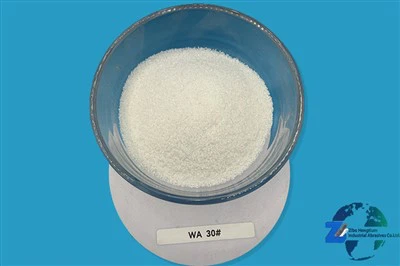
Aluminum oxide is one of the most commonly used abrasive materials. It is tough and durable, making it ideal for grinding high - tensile materials such as carbon steel, alloy steel, and malleable cast iron. Aluminum oxide abrasives break down gradually during the grinding process, exposing fresh cutting edges. This self - sharpening characteristic ensures consistent cutting performance over time. For general - purpose cutter grinding, especially for tools used in metal fabrication and machining, aluminum oxide grinding wheels are a reliable choice.
Silicon Carbide
Silicon carbide is a harder and more brittle abrasive compared to aluminum oxide. It has excellent thermal conductivity, which helps in dissipating heat generated during grinding. This makes silicon carbide ideal for grinding hard and brittle materials like ceramics, glass, and non - ferrous metals such as aluminum and copper. When grinding carbide - tipped cutters, silicon carbide wheels can provide a smooth finish and reduce the risk of thermal damage to the tool.
Cubic Boron Nitride (CBN) and Diamond
CBN and diamond are superabrasives that offer extremely high hardness and wear resistance. CBN is particularly effective for grinding hard ferrous materials, such as hardened steels and high - speed steels. It can maintain its cutting edge for a long time, resulting in high - precision grinding and reduced downtime for wheel dressing. Diamond abrasives, on the other hand, are the go - to choice for grinding carbide tools. They can quickly remove material and leave a fine surface finish. However, both CBN and diamond wheels are more expensive than conventional abrasives, so they are typically used for high - value applications where precision and productivity are critical.
Grit Size
The grit size of a grinding wheel refers to the size of the abrasive particles. It plays a crucial role in determining the material removal rate and the surface finish of the ground cutter.
Coarse Grit
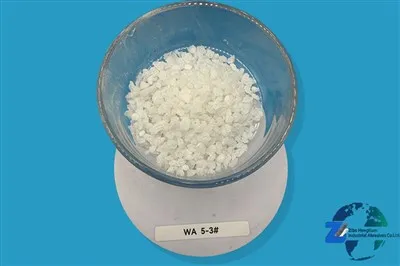
Coarse - grit grinding wheels (e.g., 16 - 36 grit) are used for rapid material removal. They are suitable for rough grinding operations, such as removing large amounts of material from a blank cutter or reshaping a damaged tool. Coarse - grit wheels can quickly bring the cutter to a near - final shape, but they leave a rough surface finish.


Medium Grit
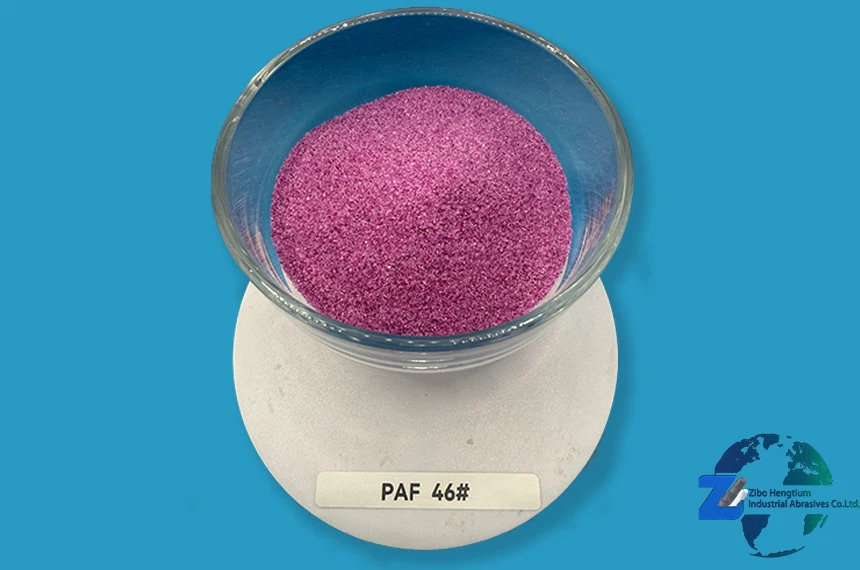
Medium - grit wheels (e.g., 46 - 80 grit) strike a balance between material removal rate and surface finish. They are commonly used for intermediate grinding steps, where some material needs to be removed while still achieving a relatively smooth surface. Medium - grit wheels are often used in the production of general - purpose cutting tools.
Fine Grit
Fine - grit wheels (e.g., 100 - 220 grit) are used for finishing operations. They can produce a smooth surface finish on the cutter, which is essential for tools that require high precision and low friction. Fine - grit wheels are commonly used for grinding the cutting edges of high - performance tools, such as end mills and drills.
Bond Type
The bond is the material that holds the abrasive particles together in a grinding wheel. Different bond types have different properties, which affect the wheel's performance and application.
Vitrified Bond
Vitrified bonds are made by fusing the abrasive particles with a glass - like material at high temperatures. Vitrified - bonded wheels are rigid and have good shape retention. They can withstand high grinding pressures and are suitable for high - precision grinding operations. Vitrified bonds also have good porosity, which helps in chip removal and heat dissipation. These wheels are widely used in the grinding of cutters, as they can maintain their accuracy over long periods of use.
Resinoid Bond
Resinoid bonds are made by using a synthetic resin to hold the abrasive particles. Resin - bonded wheels are more flexible than vitrified - bonded wheels, which makes them suitable for applications where a certain degree of wheel flexibility is required. They are often used for grinding tools with complex shapes, as they can conform to the contour of the cutter. Resinoid - bonded wheels also have good shock resistance, which helps in preventing wheel breakage during high - speed grinding.
Metal Bond
Metal - bonded wheels use a metal matrix, such as bronze or nickel, to hold the abrasive particles. Metal bonds are extremely strong and can hold superabrasives like diamond and CBN firmly. Metal - bonded wheels are used for applications where high material removal rates and long wheel life are required. They are commonly used in the grinding of carbide tools, as they can withstand the high pressures and temperatures generated during the grinding process.
Wheel Grade
The grade of a grinding wheel refers to the strength of the bond holding the abrasive particles. It is an important factor to consider, as it affects the wheel's ability to release dull abrasive particles and expose fresh ones.
Soft Grade
Soft - grade wheels have a relatively weak bond, which allows the abrasive particles to be released more easily. Soft - grade wheels are suitable for grinding hard materials, as they can prevent the wheel from glazing (where the abrasive particles become dull and the wheel surface becomes smooth). When grinding hard cutters, a soft - grade wheel can maintain a sharp cutting edge by constantly exposing new abrasive particles.
Hard Grade
Hard - grade wheels have a strong bond, which holds the abrasive particles firmly in place. Hard - grade wheels are used for grinding soft materials, as they can withstand the grinding pressure without losing their shape. They are also suitable for applications where a high degree of wheel shape retention is required, such as precision grinding of cutters.
Application - Specific Considerations
In addition to the above factors, it's important to consider the specific application of the cutter when choosing a grinding wheel.
Cylindrical and Surface Grinding
For cylindrical and surface grinding of cutters, Cylindrical and Surface Grinding Wheels are designed to provide precise and consistent grinding results. These wheels are available in a variety of abrasive materials, grit sizes, and bond types to suit different cutter materials and grinding requirements.
Gear Grinding
When grinding gears, High - Precision Gear Grinding Wheel are essential for achieving accurate tooth profiles and smooth surface finishes. Gear - grinding wheels need to have high precision and good shape retention to ensure the quality of the gears.
Cutter Grinding
For general cutter grinding, Cutter Grinding Wheel are designed to meet the specific needs of cutting tool manufacturers and users. These wheels can be customized in terms of abrasive material, grit size, bond type, and grade to optimize the grinding process for different types of cutters, such as drills, end mills, and reamers.
Conclusion
Choosing the right cutter grinding wheel is a complex decision that requires careful consideration of several factors, including abrasive material, grit size, bond type, wheel grade, and application - specific requirements. As a supplier of cutter grinding wheels, I am committed to providing high - quality products that meet the diverse needs of our customers. Whether you are a small - scale tool maker or a large - scale manufacturing facility, we can help you select the right grinding wheel for your specific application.
If you are interested in learning more about our cutter grinding wheels or have any questions regarding the selection process, please feel free to reach out to us. We look forward to discussing your requirements and helping you find the perfect grinding solution for your cutting tools.
References
- "Grinding Technology: Theory and Applications of Machining with Abrasives" by Stephen Malkin
- "Handbook of Abrasive Technology" by Philip C. McClintock