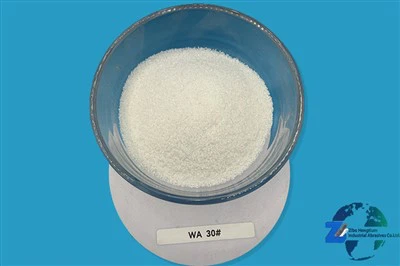
Proper storage of brown corundum for refractory is crucial to maintain its quality and performance. As a supplier of brown corundum for refractory, I understand the importance of this process and would like to share some valuable insights on how to store it correctly.
Understanding Brown Corundum for Refractory
Brown corundum, also known as brown fused alumina, is a widely used abrasive and refractory material. It is produced by fusing bauxite, anthracite, and iron filings in an electric arc furnace at high temperatures. The resulting product has high hardness, good thermal conductivity, and excellent chemical stability, making it suitable for various refractory applications such as lining furnaces, kilns, and ladles.


Factors Affecting Brown Corundum Storage
Several factors can affect the quality of brown corundum during storage. These include:
- Moisture: Brown corundum is hygroscopic, which means it can absorb moisture from the air. Excessive moisture can cause the material to clump together, reducing its flowability and making it difficult to handle. It can also lead to the formation of rust on the surface of the particles, which can affect the refractory properties of the material.
- Temperature: High temperatures can cause the brown corundum to expand and contract, leading to cracking and breakage of the particles. This can reduce the strength and durability of the material, making it less effective in refractory applications.
- Contamination: Brown corundum can be easily contaminated by foreign substances such as dust, dirt, and other impurities. These contaminants can affect the chemical composition and physical properties of the material, reducing its quality and performance.
Best Practices for Storing Brown Corundum for Refractory
To ensure the quality and performance of brown corundum for refractory, it is important to follow these best practices for storage:
- Choose the Right Storage Location: Select a dry, cool, and well-ventilated storage area away from sources of heat, moisture, and direct sunlight. The storage area should be clean and free from dust, dirt, and other contaminants.
- Use Appropriate Storage Containers: Store brown corundum in sealed containers such as plastic bags, drums, or silos to prevent moisture and contamination. Make sure the containers are labeled clearly with the product name, grade, and batch number for easy identification.
- Control the Temperature and Humidity: Maintain the temperature and humidity levels in the storage area within the recommended range. The ideal temperature for storing brown corundum is between 20°C and 30°C, and the relative humidity should be below 60%.
- Stack the Containers Properly: Stack the containers of brown corundum in a stable and organized manner to prevent them from falling or tipping over. Make sure there is enough space between the containers for air circulation.
- Regularly Inspect the Storage Area: Conduct regular inspections of the storage area to check for any signs of damage, leakage, or contamination. If any issues are found, take immediate action to address them.
Special Considerations for Different Forms of Brown Corundum
Brown corundum is available in different forms, such as granular, powder, and crushed. Each form may require different storage considerations:
- Granular Brown Corundum: Granular brown corundum is the most common form used in refractory applications. It should be stored in sealed containers to prevent moisture and contamination. The containers should be stacked in a stable manner to prevent the granules from shifting or breaking.
- Powdered Brown Corundum: Powdered brown corundum is more prone to dusting and contamination than granular brown corundum. It should be stored in airtight containers to prevent the powder from escaping. The containers should be handled carefully to avoid spilling or creating dust.
- Crushed Brown Corundum: Crushed brown corundum is often used in the production of refractory bricks and other shaped products. It should be stored in a dry and clean area to prevent the particles from sticking together. The crushed material should be covered with a tarp or other protective covering to prevent dust and debris from accumulating on the surface.
Other Applications of Brown Corundum
In addition to its use in refractory applications, brown corundum has a wide range of other applications. For example, it is used in the Brown Corundum for Medical Industry for manufacturing medical instruments and implants due to its high biocompatibility and corrosion resistance. It is also used in Brown Corundum for Water Treatment as a filter media to remove impurities from water. Moreover, there are Brown Corundum for Other Applications such as in the production of abrasive tools, ceramics, and electronics.
Conclusion
Proper storage of brown corundum for refractory is essential to maintain its quality and performance. By following the best practices outlined in this blog, you can ensure that your brown corundum remains in good condition and is ready for use in your refractory applications. If you have any questions or need further information about storing brown corundum, please feel free to contact us. We are a leading supplier of brown corundum for refractory and are committed to providing high-quality products and excellent customer service. Whether you are looking to purchase brown corundum for a small project or a large-scale industrial application, we can offer you the right solution at a competitive price. Contact us today to start a procurement discussion and find out how our brown corundum can meet your specific needs.
References
- ASTM International. (20XX). Standard Specification for Brown Fused Alumina Abrasive Grains. ASTM DXXXX.
- ISO. (20XX). International Standard for Refractory Materials - Definitions and Classification. ISO XXXX.
- Manufacturer's technical data sheets on brown corundum for refractory.