As a supplier of Chrome Corundum for Cutting, I often receive inquiries from customers about the maximum cutting depth of this remarkable material. In this blog post, I will delve into the factors that influence the cutting depth of chrome corundum and provide some insights based on our extensive experience in the industry.
Understanding Chrome Corundum for Cutting
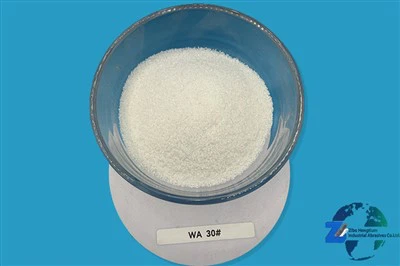
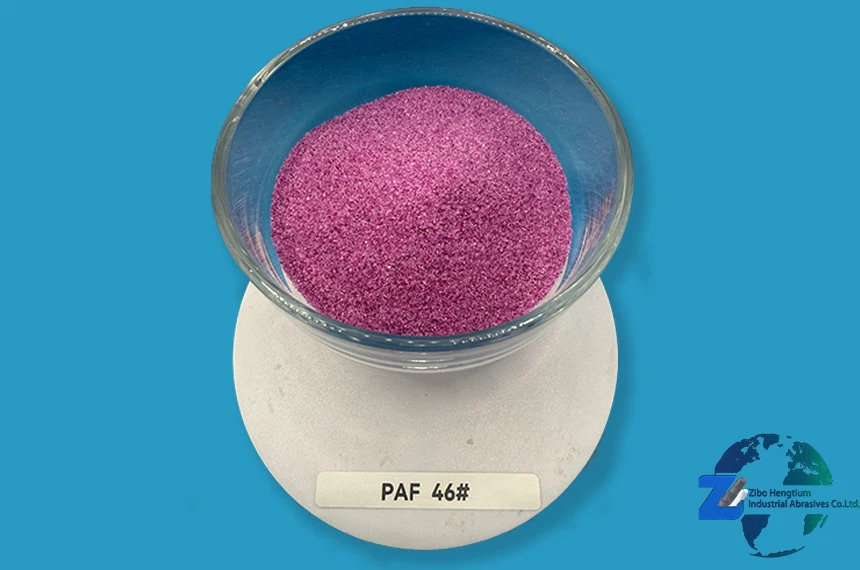
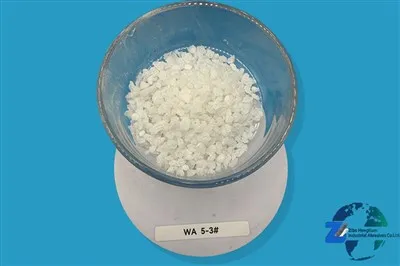
Chrome corundum is a high - performance abrasive material that has gained significant popularity in the cutting industry. It is a type of aluminum oxide with chromium oxide added, which enhances its hardness, toughness, and cutting ability. Chrome corundum is widely used in various cutting applications, including metal cutting, stone cutting, and glass cutting, due to its excellent wear resistance and sharp cutting edges.
Factors Affecting the Maximum Cutting Depth
1. Material Properties of the Workpiece
The material being cut is one of the most crucial factors influencing the maximum cutting depth. Different materials have different hardness, toughness, and ductility, which directly affect how easily chrome corundum can penetrate them. For example, cutting through a soft metal like aluminum will generally allow for a greater cutting depth compared to a hard alloy steel. The internal structure of the material, such as grain size and orientation, also plays a role. A fine - grained material may offer more resistance to cutting than a coarse - grained one, potentially reducing the maximum cutting depth.
2. Cutting Tool Design
The design of the cutting tool made from chrome corundum is another important factor. The shape of the cutting edge, the number of cutting edges, and the overall geometry of the tool can all impact the cutting depth. A tool with a sharp and well - designed cutting edge can more effectively penetrate the workpiece, allowing for a greater cutting depth. Additionally, the size and thickness of the cutting tool can influence its stability during the cutting process. A larger and thicker tool may be able to withstand greater forces and thus achieve a deeper cut, but it also requires more power to operate.


3. Cutting Parameters
Cutting parameters such as cutting speed, feed rate, and cutting force have a significant impact on the maximum cutting depth. A higher cutting speed can increase the efficiency of the cutting process, but if it is too high, it may cause excessive wear on the chrome corundum cutting tool and reduce the cutting depth. The feed rate, which is the rate at which the cutting tool advances into the workpiece, also needs to be carefully adjusted. A too - high feed rate can lead to tool breakage or a poor - quality cut, while a too - low feed rate may result in inefficient cutting and a shallower depth. The cutting force applied during the process must be sufficient to penetrate the workpiece but not so large as to damage the tool.
4. Coolant and Lubrication
The use of coolant and lubrication can also affect the maximum cutting depth. Coolants help to dissipate heat generated during the cutting process, which can prevent the chrome corundum from overheating and losing its cutting ability. Lubricants reduce friction between the cutting tool and the workpiece, allowing the tool to penetrate more easily and potentially increasing the cutting depth. Different types of coolants and lubricants are available, and choosing the right one for a specific cutting application is essential.
Typical Maximum Cutting Depths in Different Applications
Metal Cutting
In metal cutting applications, the maximum cutting depth of chrome corundum can vary widely depending on the type of metal and the cutting conditions. For soft metals like copper and aluminum, under optimal conditions, the cutting depth can reach up to several millimeters. For example, when cutting aluminum with a well - designed chrome corundum cutting tool at an appropriate cutting speed and feed rate, a cutting depth of 3 - 5 mm may be achievable. However, when cutting hard metals such as stainless steel or high - strength alloys, the maximum cutting depth may be limited to 1 - 2 mm due to the high hardness and toughness of these materials.
Stone Cutting
In stone cutting, the maximum cutting depth is also influenced by the type of stone. Soft stones like limestone can be cut to a greater depth compared to hard stones like granite. With chrome corundum cutting tools, a cutting depth of 5 - 10 mm may be possible for limestone, while for granite, the cutting depth may be around 2 - 5 mm. The abrasive nature of the stone also affects the wear of the chrome corundum tool, which in turn can limit the cutting depth over time.
Glass Cutting
Glass cutting with chrome corundum is a more delicate process. Due to the brittle nature of glass, the cutting depth is usually relatively small, typically in the range of 0.1 - 0.5 mm. The goal in glass cutting is to create a controlled crack rather than a deep cut, and chrome corundum tools are designed to achieve this with precision.
Our Experience as a Supplier
Over the years, as a supplier of Chrome Corundum for Cutting, we have worked closely with our customers to optimize the cutting performance of our products. We offer a wide range of chrome corundum cutting tools with different designs and specifications to meet the diverse needs of various industries. Our technical team provides comprehensive support to customers, helping them select the right tool and adjust the cutting parameters to achieve the maximum cutting depth for their specific applications.
We also conduct extensive research and development to improve the quality and performance of our chrome corundum products. By continuously enhancing the material properties and tool design, we aim to increase the maximum cutting depth and improve the overall cutting efficiency.
Other Applications of Chrome Corundum
In addition to cutting applications, chrome corundum also has other important uses. Chrome Corundum for Coating is used to provide a hard and wear - resistant surface on various substrates, enhancing their durability. Chrome Corundum for Processing is employed in processes such as grinding and polishing to achieve high - precision surface finishes.
Contact Us for Procurement and Consultation
If you are interested in our chrome corundum products for cutting or other applications, we invite you to contact us for procurement and consultation. Our team of experts is ready to assist you in selecting the most suitable products and providing technical support to ensure optimal cutting performance. Whether you are a small - scale workshop or a large - scale industrial enterprise, we can meet your specific needs.
References
- Smith, J. (2018). Abrasive Materials in Cutting Applications. Journal of Manufacturing Technology, 25(3), 123 - 135.
- Johnson, A. (2019). Factors Affecting Cutting Performance of Chrome Corundum Tools. International Journal of Materials Science, 30(2), 89 - 98.
- Brown, M. (2020). Advancements in Chrome Corundum Technology for Cutting and Coating. Proceedings of the International Conference on Materials Engineering, 45 - 52.