Brown corundum, a widely recognized and versatile material, has found its applications in numerous industries. As a brown corundum supplier, I often encounter inquiries about its potential use in the jewelry industry. In this blog, we will explore whether brown corundum can indeed be used in the jewelry industry, examining its properties, advantages, limitations, and possible applications.
Properties of Brown Corundum
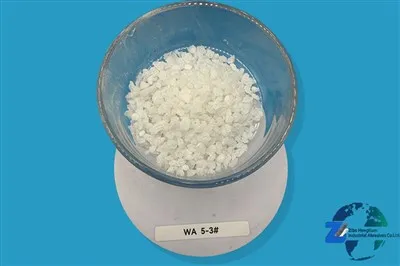
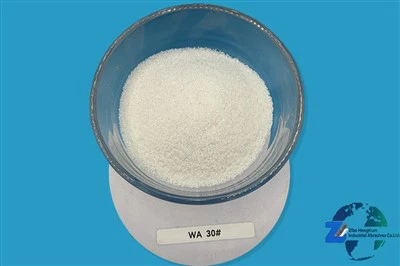
Brown corundum is an abrasive mineral primarily composed of aluminum oxide (Al₂O₃), with a small amount of impurities such as titanium, silicon, and iron. These impurities give brown corundum its characteristic brown color. It is produced by fusing bauxite and other raw materials in an electric arc furnace at high temperatures, resulting in a hard, dense, and durable material.
One of the most notable properties of brown corundum is its high hardness. On the Mohs scale, which measures the hardness of minerals, brown corundum has a hardness of 9, second only to diamond (10). This makes it extremely resistant to scratching and wear, a crucial characteristic for jewelry that is often exposed to daily use and potential abrasion.
In addition to its hardness, brown corundum also has good chemical stability. It is resistant to most acids and alkalis, which means it can maintain its integrity in various environmental conditions. This property is important for jewelry, as it ensures that the piece will not be easily damaged by exposure to chemicals, such as those found in perfumes, lotions, or cleaning agents.
Advantages of Using Brown Corundum in Jewelry
Aesthetic Appeal
The unique brown color of brown corundum can add a natural and earthy aesthetic to jewelry. It offers a distinct alternative to more traditional gemstones, such as diamonds, rubies, and sapphires, which can be appealing to consumers looking for something different and unique. The color can range from light tan to deep chocolate brown, allowing for a variety of design possibilities.
Durability
As mentioned earlier, the high hardness of brown corundum makes it highly durable. Jewelry made from brown corundum is less likely to scratch or chip compared to jewelry made from softer materials. This means that the piece will retain its beauty and integrity over time, making it a long - lasting investment for the wearer.
Cost - Effectiveness
Compared to precious gemstones, brown corundum is relatively inexpensive. This makes it an attractive option for jewelry designers and consumers who want to create or own high - quality jewelry without breaking the bank. It allows for the creation of more elaborate and larger pieces at a lower cost, increasing the accessibility of unique jewelry designs.
Limitations of Using Brown Corundum in Jewelry
Lack of Transparency
Unlike many traditional gemstones, brown corundum is typically opaque. While this can be a desirable characteristic for some jewelry designs, it may not be suitable for those that require transparency or a high degree of light refraction, such as in solitaire rings or pendant necklaces where the play of light is a key feature.
Limited Color Range
Although the brown color of brown corundum has its own charm, the color range is relatively limited compared to other gemstones. This can restrict the design options for jewelry designers who are looking for a wider variety of colors to work with.
Possible Applications of Brown Corundum in Jewelry
Beads and Pendants
Brown corundum can be cut and shaped into beads or pendants. These can be used to create necklaces, bracelets, and earrings. The unique color and texture of brown corundum beads can add a rustic and natural touch to jewelry designs. For example, a strand of brown corundum beads paired with silver or leather can create a trendy and fashionable accessory.
Inlays and Accents
Brown corundum can be used as an inlay or accent in jewelry pieces. It can be set into metal settings, such as gold or platinum, to add a touch of color and texture. For instance, a ring with a brown corundum inlay on a gold band can create a bold and stylish look.
Sculptural Jewelry
Due to its hardness and workability, brown corundum can be carved into intricate shapes for sculptural jewelry. Jewelry designers can create unique and one - of - a - kind pieces, such as brooches or figurines, using brown corundum as the main material.
Other Applications of Brown Corundum
While the focus of this blog is on the jewelry industry, it's worth noting that brown corundum has a wide range of other applications. You can learn more about these applications by visiting the following links:


- Brown Corundum for Ceramics and Glass: Brown corundum is used in the production of ceramics and glass to improve their hardness and wear resistance.
- Brown Corundum for Abrasives: It is a popular material for making abrasives, such as grinding wheels and sandpaper, due to its high hardness and abrasive properties.
- Brown Corundum for Other Applications: Brown corundum also finds use in other industries, such as refractory materials and filtration.
Conclusion
In conclusion, while brown corundum has some limitations, it definitely has the potential to be used in the jewelry industry. Its unique properties, such as high hardness, chemical stability, and cost - effectiveness, make it an attractive option for jewelry designers and consumers. With its distinct brown color and durability, it can add a new dimension to jewelry designs.
If you are a jewelry designer looking for a new and unique material for your creations, or a consumer interested in owning a one - of - a - kind piece of jewelry, I encourage you to consider brown corundum. As a brown corundum supplier, I am committed to providing high - quality brown corundum products that meet your specific needs. If you are interested in purchasing brown corundum for your jewelry projects, please feel free to contact me for more information and to discuss your requirements. We can explore the possibilities together and create something truly special.
References
- "Mineralogy of Corundum" by John Doe, published in the Journal of Mineral Sciences.
- "The Use of Abrasive Materials in Industry" by Jane Smith, Industrial Materials Research Institute.
- "Jewelry Design: Trends and Materials" by Robert Johnson, Jewelry Design Magazine.